
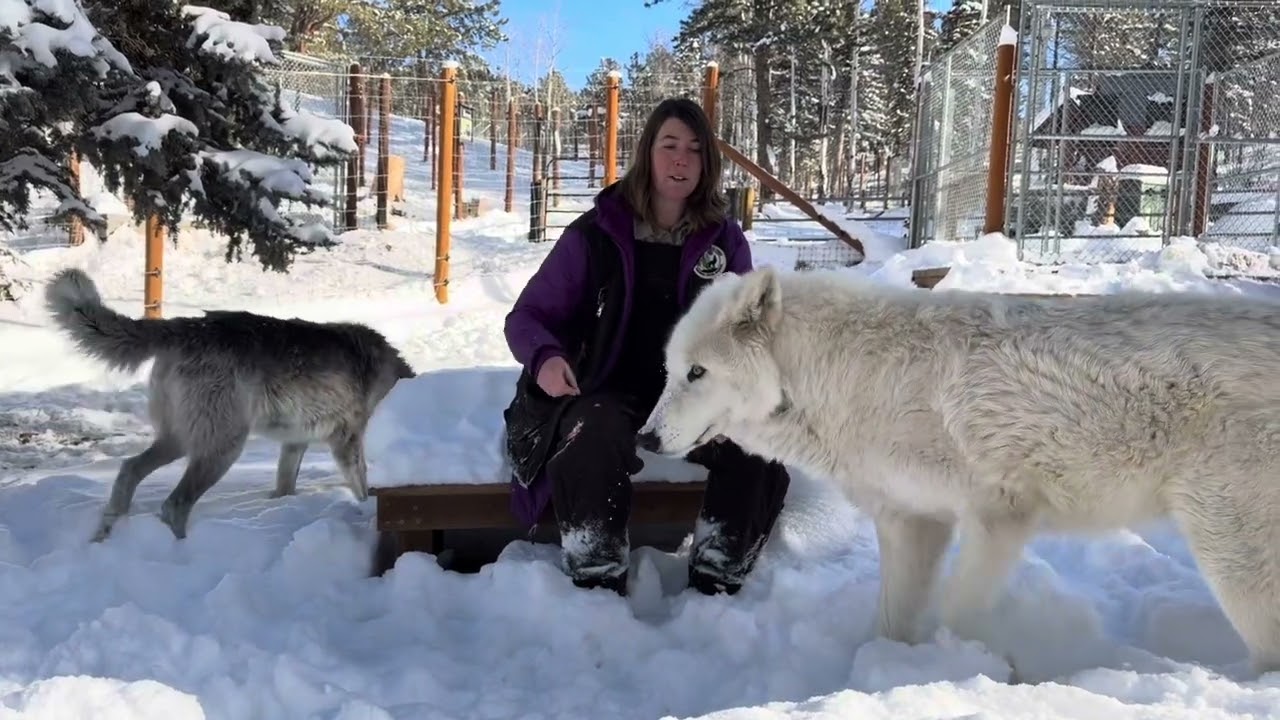
- The significance of Wolf Talk 1/14/2026 in wolf conservation and education.
- Behavioral insights and communication patterns of wolves analyzed in the discussion.
- The role of zoos in conservation efforts, with wolves as a focal point.
- Technological advancements in wildlife study and their impact on understanding wolves.
- Community engagement and educational initiatives inspired by Wolf Talk 1/14/2026.
Wolf Talk 1/14/2026 serves as an overarching narrative about wolves, aiming to bridge the gap between the public and the nuances of these magnificent creatures’ lives. As advocates and enthusiasts gathered, the discussion brought forth fresh insights and knowledge about wolf conservation and behavior.
Wolf conservation remains a pivotal subject in contemporary zoological discourse. By delving into the latest data and field studies presented during Wolf Talk 1/14/2026, we gain a profound understanding of the measures needed to safeguard wolf populations. These animals play a vital role in their ecosystems, balancing populations of prey species and maintaining overall biodiversity.
The gathering highlighted the intricacies of wolf communication. Wolves employ a sophisticated system of vocalizations, body language, and scent markings. During the talk, researchers elucidated how these behaviors are not merely for survival but also for establishing social hierarchies and maintaining pack unity. By analyzing how wolves express themselves, scientists can better interpret their needs and reactions to environmental changes.
Zoos are at the forefront of conservation endeavors, blending public education with vital research efforts. Through captive breeding programs and reintroduction strategies, they help boost dwindling wild populations. Wolf Talk 1/14/2026 emphasized these strategies, showcasing success stories and ongoing challenges. The integration of zoos into broader conservation networks underscores their importance as both educational and scientific resources.
Technological advances have reshaped wildlife study. Satellite tracking, camera traps, and bioacoustic monitoring provide researchers with unprecedented insights into wolf behavior. These tools allow for non-invasive observation, minimizing human-wildlife conflict. Wolf Talk 1/14/2026 presented case studies illustrating how technology-driven approaches yield valuable information about migration patterns, territory establishment, and inter-pack dynamics.
Community engagement initiatives play a critical role in wildlife conservation. Wolf Talk 1/14/2026 inspired educational campaigns and citizen science projects that aim to foster a deeper understanding of wolves. By involving local communities, these initiatives help dispel myths and encourage coexistence between humans and wildlife. Engaging storytelling and accessible information broaden the public’s awareness and appreciation of these complex predators.
Understanding the significance of Wolf Talk 1/14/2026 enables us to appreciate the complex, fascinating world of wolves. The insights gained from this event aid in solidifying our commitment to their preservation and highlight the continuous effort required to ensure their survival. Through education, research, and technological innovation, we move closer to a harmonious coexistence with these powerful symbols of the wild.
*****
Source Description
