
- Black-colored animals showcase remarkable adaptations and survival strategies.
- The symbolism of black in nature offers insight into evolutionary advantages.
- Conservation efforts for black species highlight ecological significance.
- The diverse habitats of black animals contribute to their unique behaviors.
- Cultural perceptions of black animals influence wildlife conservation.
Many creatures in nature are cloaked in the color black, spanning from panthers in dense forests to fruit bats soaring under the moonlight. These animals are astonishing, demonstrating adaptations that allow them not only to survive but to thrive in their environments. The deep shade of black they display often serves multiple purposes, from camouflage to social signaling.
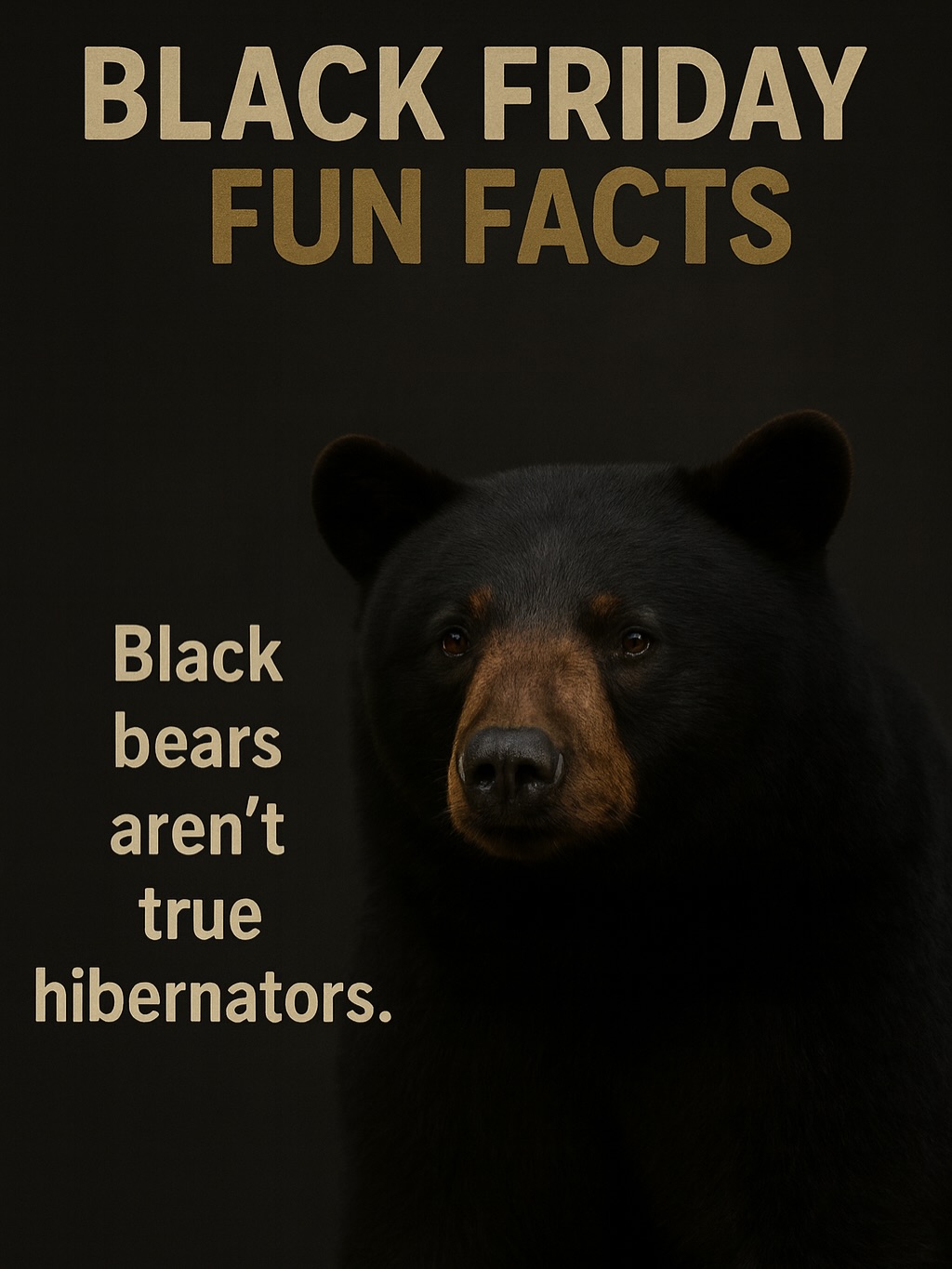
Black-colored animals frequently exhibit remarkable adaptations crucial for their survival. Take the panther, for instance. These big cats possess melanin-rich coats that help them blend into the shadows of their forest habitats. This not only enhances their stealth during hunts but also aids in avoiding detection by both prey and potential predators. Similarly, black bears, although not exclusively black, often exhibit this color in various regions. Their dark fur helps absorb sunlight in colder climates, contributing to thermoregulation. Such adaptations highlight the functional advantages of black coloration across species.
The symbolism of black holds profound meaning in the animal kingdom. In many cultures, black is associated with strength, mystery, and resilience. From an evolutionary perspective, the prevalence of black pigmentation in certain species can indicate advantageous traits for survival. The black-footed ferret, for example, is a nocturnal hunter adept at navigating the prairie ecosystem. Its coloration aids in remaining concealed from both its prey and would-be threats, reinforcing the notion that black can be an asset in the animal kingdom.
Addressing the ecological significance of black species showcases the urgency of conservation efforts. The black rhino, critically endangered due to poaching and habitat loss, serves as a poignant case. The distinctive black coloration of its skin offers no camouflage advantage; however, the rhino’s thick skin provides a protective layer against threats. Conservation initiatives focus on preserving not only the species but also its habitat, which supports a myriad of organisms dependent on that ecosystem.
The diverse habitats in which black animals dwell underscore their unique behaviors and niches within various ecosystems. Fruit bats, also known as flying foxes, possess striking black fur and play critical roles as pollinators and seed dispersers in tropical forests. Their nocturnal habits allow them to exploit food resources that are less accessible to daytime animals. Such ecological roles display how black coloration goes hand in hand with specific behavioral adaptations tailored to survival.
Cultural perceptions of black animals significantly influence public attitudes towards wildlife conservation. While some cultures view black species as symbols of good fortune, others associate them with omens or negative traits. The black crow, often maligned in folklore, faces significant misconceptions that hinder conservation efforts. By fostering appreciation through education and outreach, wildlife organizations aim to alter these perceptions, encouraging protection and appreciation for these remarkable creatures.
In examining the role of black animals in education and awareness, outreach programs often feature engaging campaigns showcasing their unique adaptations and conservation statuses. Spreading knowledge about black species, such as the black mamba or the black widow spider, can alter the negative stereotypes that surround them. Understanding that these animals contribute to their ecosystems creates a positive narrative, fostering a conservation ethos among communities.
Dr. Robert Paine’s theory of keystone species underscores the importance of certain species, many of which don black coats, in maintaining the balance of their ecosystems. For instance, the black-tailed prairie dog plays a crucial role in its habitat, influencing vegetation patterns and providing shelter for various other animals. Recognizing these interdependencies in ecosystems urges a more comprehensive approach to conservation strategies, prioritizing efforts to protect black animals and their environments.
As technology advances, conservationists utilize innovative methods for studying black animals. Camera traps and drones provide insights into their behaviors and numbers, revealing patterns that were previously difficult to document. These tools not only aid in monitoring populations but also allow for real-time intervention strategies, ensuring protection efforts remain efficient and effective.
In summary, the exploration of black-colored animals reveals not just their adaptations and ecological roles, but also the intricate relationship between species and their environments. Each black creature serves as a testament to the resilience of life, confronting challenges through evolution while inspiring conservation efforts worldwide. Emphasizing their importance encourages a united front in wildlife conservation, validating that the color black is anything but ordinary in nature.
*****
Source Description
Black Friday… but make it wild. 🖤🐾
Instead of fighting crowds, here are some fun facts about the incredible black-colored animals that make our world anything but ordinary.
From fruit bats to panthers, these species prove that “black” in nature is anything but basic.
