
- The behavior and social structure of fawns in their natural habitat.
- The significance of interspecies interactions between different wildlife.
- The ecological role of wild turkeys in their ecosystems.
- The importance of wildlife conservation and habitat protection.
- Observational learning and bond development between juvenile animals and their mothers.
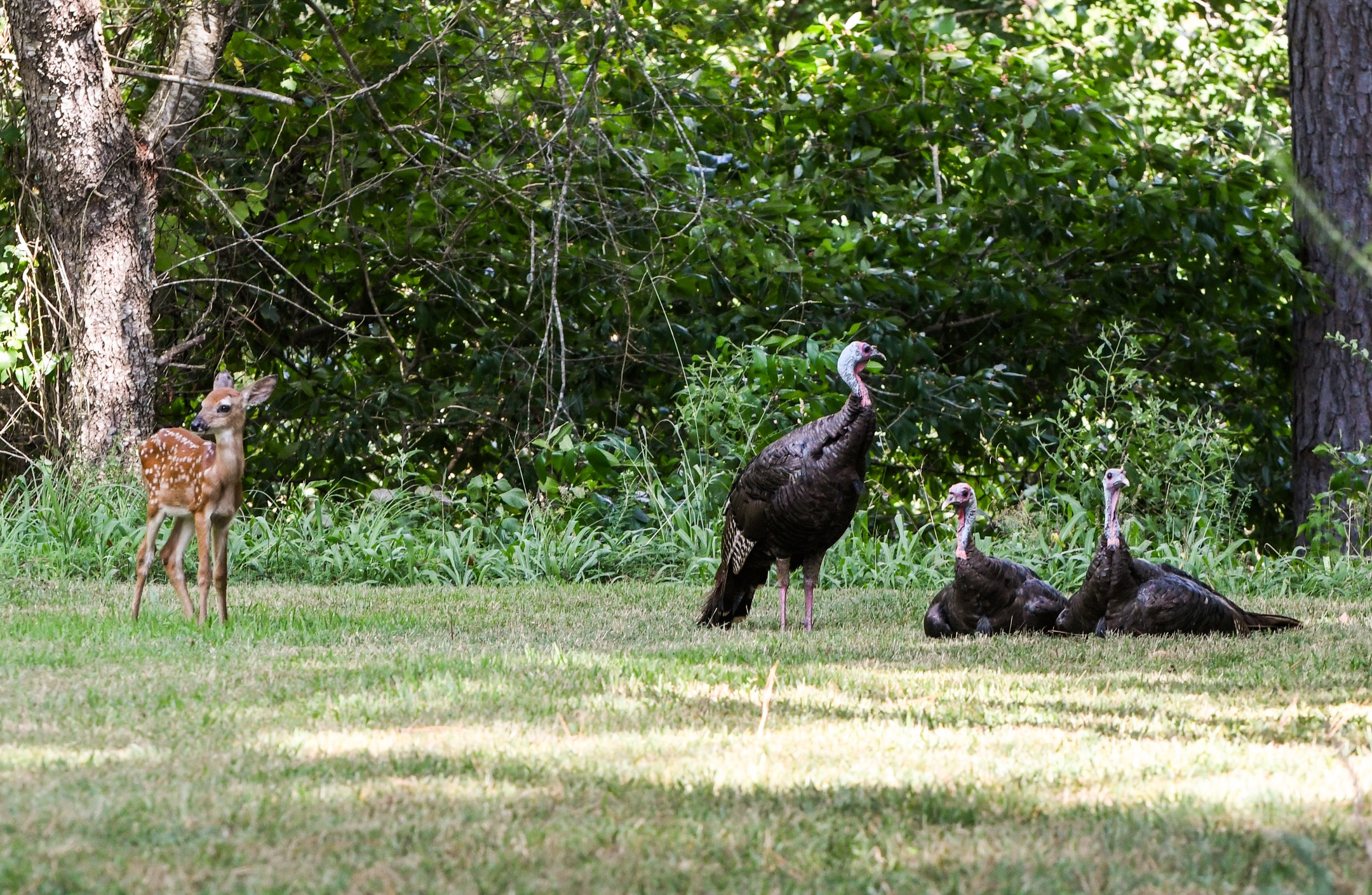
In the tranquil atmosphere surrounding Redbud Barn, a tiny fawn grazed peacefully in the yard. Accompanied by three wild turkeys, the scene offered a fascinating glimpse into the intricate social dynamics of wildlife. Watching this display captures not just an idyllic moment but also serves as an educational opportunity to understand animal behavior and ecological relationships.
Fawns, particularly those born in late spring, often find themselves at the forefront of nature’s gentle unfolding. Young deer, typically weighing around six to eight pounds at birth, are especially vulnerable during their early days. They rely heavily on their mothers for guidance, protection, and nourishment. A mother doe typically feeds her fawn for several months, teaching it essential survival skills. One noticeable behavior is the fawn’s propensity to remain still when feeling threatened, an instinct perfected over generations for evading predators. This silent approach is vital in their early stages of life.
While it is natural for a fawn to isolate itself for safety, the presence of wild turkeys raises an interesting aspect of interspecies interactions. Wild turkeys, known for their social structures, display a communal behavior that may appear beneficial to animals like the fawn. They sometimes align in groups, providing a network of vigilant watchfulness against predators. By foraging together, young mammals like the fawn could be receiving an unspoken form of assistance. This symbiotic behavior shows how different species can coexist peacefully and enhance survival strategies, the turkeys providing additional eyes on the lookout for potential threats.
The dynamics between the fawn and the turkeys extend beyond mere coexistence. Wild turkeys have a complex social hierarchy characterized by male dominance, especially during mating seasons, yet they show remarkable tolerance towards non-threatening species. The three turkeys in the yard displayed behaviors indicative of their awareness. They were often seen scanning their surroundings, showcasing their acute eyesight and hearing. Such characteristics make them valuable allies in safeguarding younger creatures like the fawn.
Turning attention to the ecological role of wild turkeys, they serve as important agents for biodiversity. As omnivores, their diet includes everything from seeds and nuts to small insects and plants. This varied diet plays a critical role in seed dispersal, allowing for vegetation growth and soil health. Their foraging habits contribute to controlling insect populations, indirectly benefiting crops and other plant life.
Turkey populations have rebounded due to successful conservation practices and habitat restoration efforts. With populations once dwindling in parts of the United States, initiatives for wildlife conservation have helped secure their place in the ecosystem. Statewide regulations protect turkeys and their habitats, allowing for sustainable hunting practices when necessary.
Conservation efforts extending to the fawn also highlight the importance of protecting natural habitats. Various programs focus on preserving open areas where deer can thrive, helping to maintain their ecosystems and, by extension, the biodiversity of entire regions. Habitat loss remains a significant threat due to urban development and agricultural expansion, making the need for conservation even more pressing. Preserving environments where wildlife can flourish is essential for all species connected to these ecosystems.
The observation of physical behaviors, especially in juvenile animals, can yield vital knowledge for wildlife management and conservation. In educational settings, environments like Redbud Barn allow for real-world experiences that can teach communities about the importance of coexistence with nature. Establishing connections to local wildlife can foster stewardship and support conservation efforts. A deeper understanding of animal habits and social bonds helps cultivate appreciation for ecological networks.
This particular scene underscores the strength of maternal bonds between a fawn and its mother. The fawn demonstrated both independence and reliance, gradually learning how to navigate its surroundings while still needing close proximity to its mother. Observational learning is fundamental in shaping behaviors of young animals. The mother teaches her fawn about food sources, as well as predator recognition and evasion. Such knowledge gained during these formative stages significantly increases the fawn’s chances of survival.
When the fawn wandered off to return to its mother after spending time with its feathered friends, it showcased an instinctive behavior exhibited by many young mammals. They learn through exploration, but always with a tether to their parents, instilling within them a sense of security. Learning paramount survival skills alongside social interaction prepares them for retirement into adulthood.
Fawns and wild turkeys are just two examples of the interconnectedness of wildlife. Observing their behaviors in a natural habitat encourages awareness and respect for these species. Understanding the value of wildlife conservation goes a long way in promoting efforts aimed at protecting these animals and their habitats. Small moments like those at Redbud Barn can inspire broader actions to support conservation initiatives across various communities.
From nurturing fragile populations to advocating for more sustainable practices, every small action counts. Average citizens can get involved through habitat restoration projects, educational outreach, and recreational activities designed to foster appreciation for local wildlife. Engaging with young and old alike in discussion about their local ecosystem can create a fabric of support needed for lasting impact.
In summary, the scene at Redbud Barn highlights behaviors in fawns and turkeys that reflect the broader ecological narratives surrounding them. The valuable interactions between species serve various roles in showcasing how nature encompasses a network of interdependencies. It stresses the importance of understanding wildlife not merely as isolated entities but as crucial components of complex ecosystems.
By observing such behavior and interactions, stakeholders can gather the necessary insights to engage in meaningful conservation initiatives that ultimately benefit wildlife and their habitats. Education, community involvement, and awareness about wildlife conservation contribute significantly to promoting healthy interactions with the environment, ensuring that future generations can experience and learn from the vibrancy of nature.
*****
Source Description
Redbud Barn had a few unique visitors! A tiny fawn grazed in the yard with three wild turkeys, as if they were there to keep watch over the young deer. They all rested in the shade together and treated themselves to fallen pears until the fawn returned to its mother.
