
- The significance of Valentine’s Day in fostering relationships.
- The role of wildlife in promoting emotional well-being.
- Innovative ways zoos contribute to wildlife conservation.
- The importance of education in wildlife stewardship.
- How Valentine’s-themed events can raise awareness and funds for conservation efforts.
Valentine’s Day is celebrated around the globe as a day of love and affection. This holiday serves as an opportunity to express feelings toward crushes, best friends, and even ex-partners. Engaging in this cultural practice can significantly strengthen personal relationships. The sharing of cards, gifts, and warm messages fosters connections that can bring joy and emotional support throughout the year.
Amidst this cultural backdrop, the relationship between well-being and interactions with wildlife becomes increasingly important. Studies indicate that exposure to animals can evoke positive emotions, consequently enhancing mental health. For instance, spending time in natural settings often leads to reduced stress levels. Zoos and wildlife sanctuaries play a vital role in bridging human emotions and wildlife appreciation. By connecting people to animals, these institutions facilitate a deeper understanding of nature, promoting empathy and compassion.
Moreover, zoos have evolved significantly in their mission. Not only do they serve as spaces for recreation, but they also play a critical role in wildlife conservation. Many species are endangered due to habitat loss, poaching, and other human-induced factors. Zoos actively engage in breeding programs and research initiatives aimed at reintroducing species to their natural habitats. These efforts highlight how human activity can support rather than hinder wildlife.
Educating the public about these initiatives is essential. Zoos often host educational programs detailing the threats facing wildlife and the innovative solutions being implemented to combat these issues. By equipping visitors with knowledge, zoos empower them to participate in conservation efforts, whether through advocacy, funding, or changing lifestyle choices that benefit the environment. Engaging in Valentine’s-themed events that spotlight these efforts can serve multiple purposes. These events not only celebrate love but also raise awareness and funds for crucial wildlife projects.
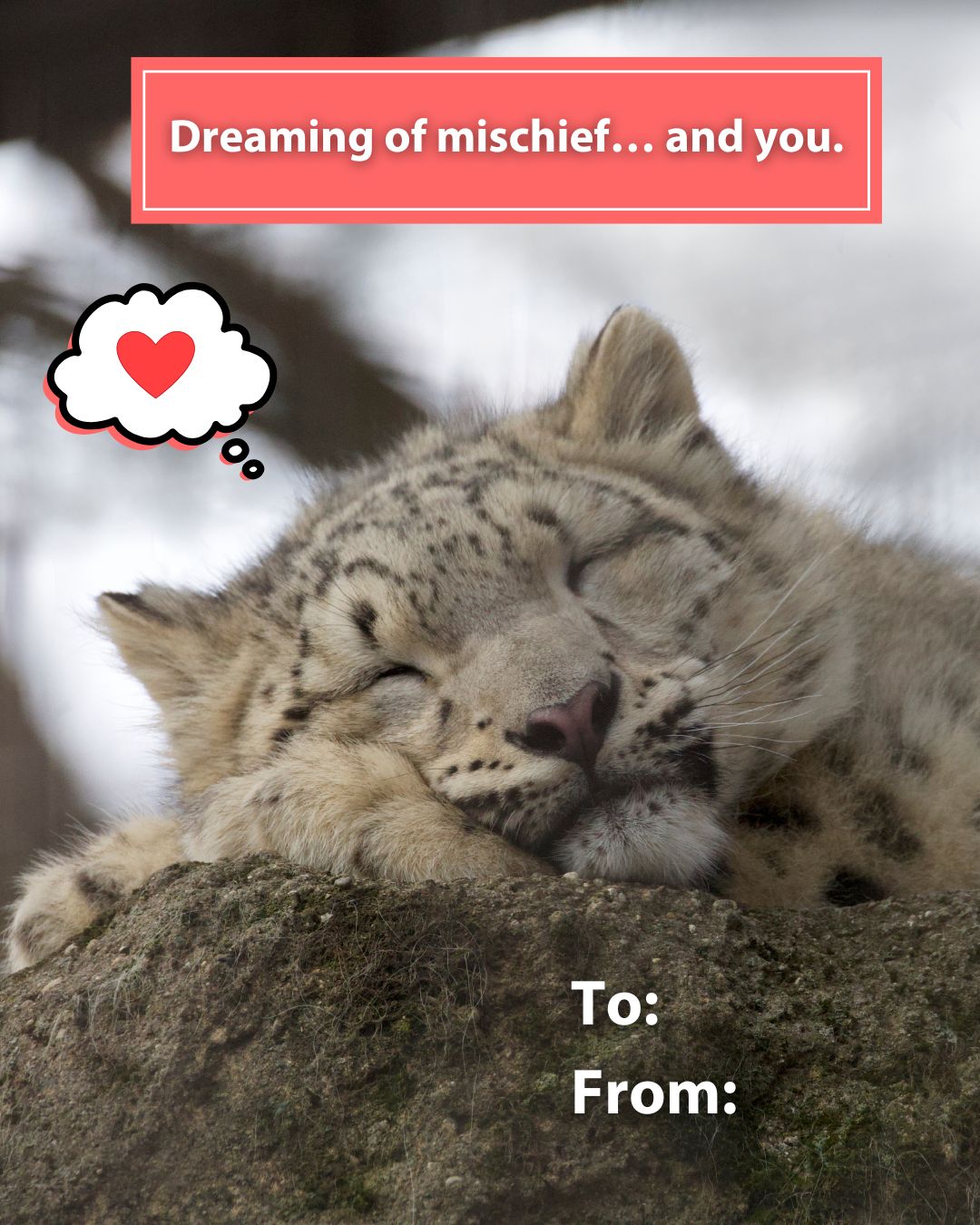
Valentine’s cards themed around wildlife conservation can illustrate the bond between personal affection and environmental stewardship. Imagine crafting a card featuring imagery of endangered species, stressing the need for their protection. This approach combines emotional connections with a sense of responsibility. People can share these cards with loved ones, contributing a message of love while supporting a cause that matters.
The significance of nurturing relationships extends beyond personal connections. Emotional ties to wildlife promote a more profound understanding of ecological principles. When people recognize the intricate balance in ecosystems, they begin to appreciate the role of each species. For instance, the decline of a single species can cascade through an entire ecosystem, illustrating the interconnectedness of life. Developing empathy for animals can lead to broader support for conservation efforts, which is essential for long-term ecological health.
Zoos also create environments that promote not just the well-being of animals but also that of visitors. State-of-the-art enclosures are designed to mimic natural habitats, thereby enhancing the quality of life for the animals and providing an educational experience for visitors. Observing animals in wisely designed habitats evokes a sense of connection, making conservation feel more personal. Informative signage and guided tours allow individuals to learn more about species’ natural behaviors, conservation efforts, and the issues they face in the wild.
Valentine’s Day themed activities in zoos can include educational workshops or interactive displays about endangered species. These events offer a chance to combine fun with meaningful information, ensuring that guests leave with a greater understanding of wildlife conservation. Engaging with animals in a context of love and compassion can further ignite a passion for learning and advocacy.
In addition, creating partnerships with local businesses during these events can bring further awareness and funding to conservation initiatives. For example, a candy shop might sponsor a booth at a zoo event, where part of the proceeds gets donated to wildlife conservation. This collaboration highlights how love for both one another and wildlife can create tangible benefits for the planet.
Moreover, technology plays a crucial role in modern wildlife conservation. Camera traps, for instance, allow researchers to monitor animal populations and behaviors without human interference. These devices have brought clarity to understanding migratory patterns and mating behaviors. Educating visitors about these technologies during Valentine’s-themed events provides insight into the marriage of innovation and conservation efforts.
Art has also found its place in promoting wildlife conservation. Many zoos incorporate art installations to convey messages about environmental stewardship. Valentine’s-themed creations, where local artists depict endangered species through unique perspectives, can spark conversations about love for both each other and the planet. Art can evoke feelings that drive people toward action, emphasizing the need to protect habitats and preserve life.
Moreover, one cannot underestimate the role of volunteer programs in animal care and conservation efforts. Zoos often offer opportunities for individuals to assist in their conservation initiatives, fostering a sense of community and commitment. This engagement can be life-changing, as volunteers not only learn more about animals but also develop lifelong friendships and connections with others who share their interests. Organizing Valentine’s Day events around group volunteering can strengthen these ties even further.
The importance of emotional engagement cannot be overstated in the context of conservation. When people develop an emotional connection with wildlife, they are more likely to take action to protect it. By creating opportunities for emotional engagement during events, zoos can drive a sense of urgency in wildlife conservation. Connections fostered through shared experiences can make individuals feel more inclined to support ongoing efforts, be it through donations or advocacy.
Furthermore, social media plays an essential role in reaching broader audiences. Zoos can leverage platforms to promote Valentine’s Day events, share educational content, and highlight individual species in need of protection. Engaging storytelling can capture the hearts of online audiences, encouraging them to participate in local conservation initiatives or visit zoos for romantic, educational outings.
Engagement with wildlife Conservation is not limited to zoos alone. Schools, community organizations, and nature reserves also play a role. Partnering with these entities can generate more extensive networks of support. For instance, schools might run Valentine’s-themed conservation lessons, drawing young minds toward the importance of protecting habitats and living sustainably.
Furthermore, the collaborative efforts of zoos and wildlife organizations have proven essential for increasing knowledge about biodiversity and the impacts of climate change. Events highlighting these challenges can inform communities about the importance of reducing carbon footprints and supporting local wildlife. By merging love-themed activities with conservation messages, communities can come together to make a greater impact.
The conversation around emotional connections to wildlife also extends toward mental health. Nature therapy has emerged as a significant area of study. Interaction with animals can alleviate anxiety and depression symptoms. By incorporating animal encounters into a broader mental health framework, zoos and conservation organizations can demonstrate the numerous benefits that relationships—both human and animal—offer to our overall well-being.
Valentine’s Day provides a unique platform for connecting personal relationships to environmental causes. Sharing experience can help underpin both emotional intelligence and ecological awareness. When people come together to celebrate love—whether through personal connections or shared passions for wildlife—educational opportunities arise which ultimately serve both human and ecological communities.
By integrating education, art, and innovative programming, zoos can make Valentine’s Day an engaging experience that resonates on multiple levels. Visitors can leave with a sense of having fostered not only personal connections but also a greater understanding of their role in conservation. Thus, Valentine’s-themed events can become a cornerstone for building environmental advocates, ensuring that love for each other translates into love for the planet.
This Valentine’s season, consider participating in events that combine affection and compassion for wildlife. By doing so, you contribute not just to personal connections but also toward the essential work of preserving the diversity of life that shares this planet with us. These engagements create pathways to both personal happiness and environmental stewardship, crucial in today’s world.
*****
Source Description
These Valentines were made with love. 💕 Save one for your crush, your bestie, your ex… we’re not judging. 🤷♀️
