
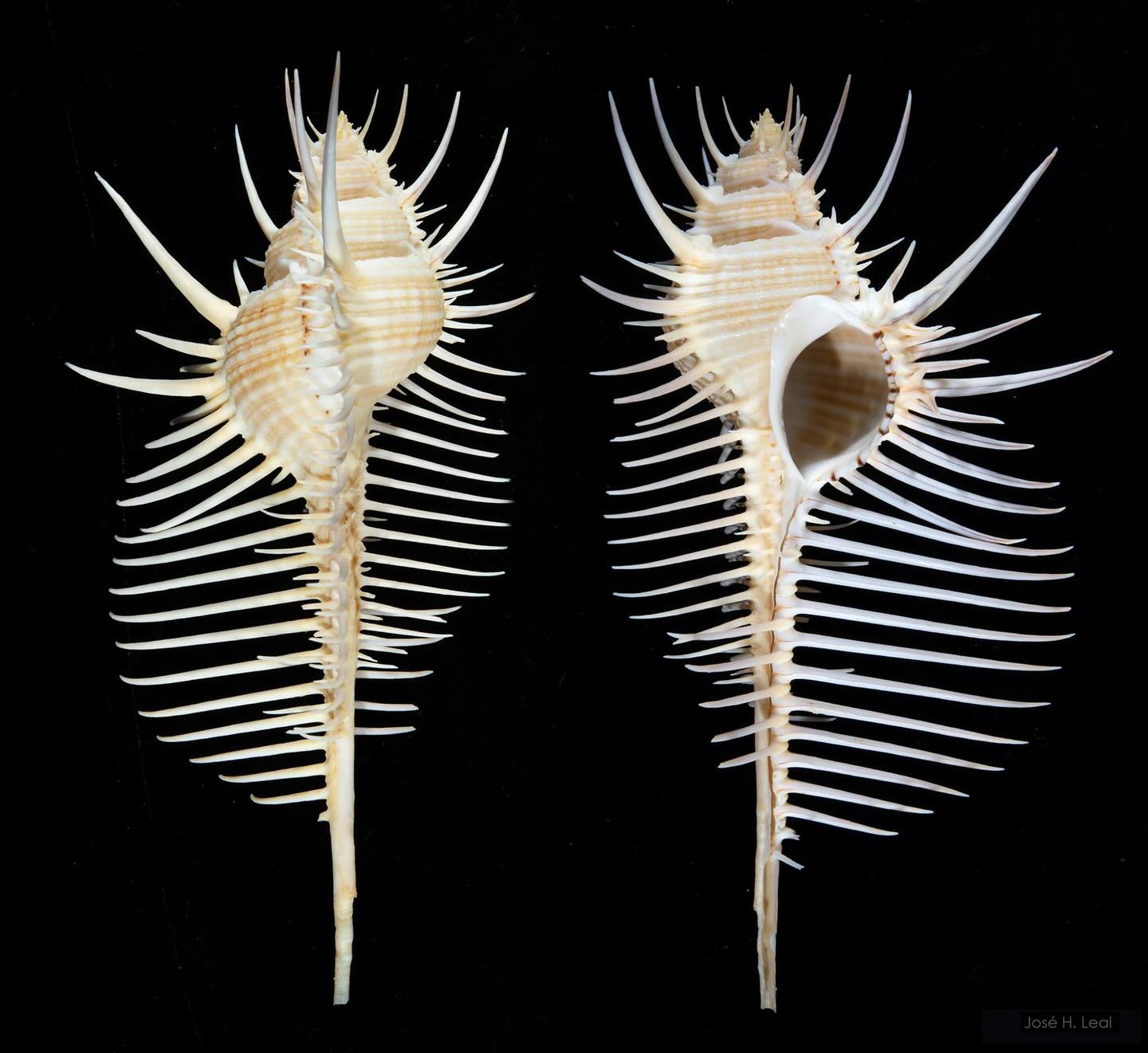
- The ecological role of the Venus Comb Murex in marine ecosystems
- Anatomical adaptations and characteristics of the Venus Comb Murex
- Feeding habits and predatory behavior of the Venus Comb Murex
- Threats to the Venus Comb Murex and conservation measures
- The significance of Venus Comb Murex in human culture and industry
The Venus Comb Murex (Murex pecten) is a striking marine mollusk found primarily in the Indo-West Pacific region. This species captivates both marine biologists and ocean enthusiasts alike due to its elaborate shell structure and ecological significance. In this article, we will explore various aspects of the Venus Comb Murex, from its role in marine ecosystems to the challenges it faces in the wild and its importance to human culture.
The ecological role of the Venus Comb Murex in marine ecosystems cannot be overstated. As a predator, this species primarily feeds on other mollusks, showcasing its important position in the food web. By preying on bivalves and other soft-bodied mollusks, the Venus Comb Murex helps regulate the population dynamics of these organisms. This control contributes to overall biodiversity within its habitat. Furthermore, it serves as prey for larger bottom-feeding fish such as stingrays and certain shark species. The depredation interactions between the Venus Comb Murex and its predators highlight the intricacies of marine food webs, where each species depends on another for balance.
A fascinating feature of the Venus Comb Murex is its anatomical adaptations. The long spines that adorn its shell are not merely for show; they serve a crucial defensive function. When the snail moves, these long spines surround its head and foot, forming a “cage” that deters potential predators. The imposing appearance of the shell can ward off larger fish, while smaller threats, such as crabs, may also be discouraged from encroaching. The spines are a result of the mollusk’s specialized tissue, called the mantle edge, which secretes the building material for the shell during growth. As the snail grows, the mantle projects these tube-like extensions, creating the iconic hollow spines at intervals.
The feeding habits of the Venus Comb Murex provide further insight into its predatory behavior. Armed with a specialized radula—a tongue-like organ equipped with tiny, tooth-like structures—the Venus Comb Murex can scrape away the protective layers of its prey, allowing it to consume bivalves efficiently. This adaptation not only enhances its hunting prowess but also reflects a wider evolutionary trend among mollusks adapted for predation. The ability to access various types of mollusks for food allows the Venus Comb Murex to thrive in its habitat, where competition for resources can be fierce.
However, the Venus Comb Murex is not without its challenges. Overfishing and environmental changes pose significant threats to this species. When harvested excessively for ornamental purposes, the population of Venus Comb Murex can suffer dramatically. In many regions, its striking shell is sought after for decor and jewelry, leading to unsustainable harvesting practices. Additionally, habitat destruction caused by coastal development and pollution poses further risks. As marine ecosystems become degraded, the survival of the Venus Comb Murex and other marine life hangs in the balance. It is crucial that conservation measures are implemented to protect both the species and its habitat. Sustainable harvesting practices and habitat protection efforts can serve to mitigate some of these threats.
The significance of the Venus Comb Murex extends beyond the ecological and biological. This mollusk has captured the imagination of many cultures over the centuries. In some societies, the shell is not only admired for its beauty but also holds cultural value. Traditional practices often involve utilizing the shells for ceremonial purposes or as currency in historical trade. The adaptive behaviors of Venus Comb Murex and its striking shell design have made it a subject of fascination among marine artisans and collectors.
Education plays a pivotal role in elevating awareness regarding the conservation of the Venus Comb Murex. By understanding its ecological role, unique adaptations, and the threats it faces, individuals can become advocates for marine conservation. Engaging communities in protecting marine habitats can lead to better outcomes for both the Venus Comb Murex and the larger marine ecosystem.
Efforts to raise awareness about the importance of the Venus Comb Murex extend to organizations focusing on marine conservation. These organizations work to establish policies that protect vulnerable marine species and their habitats. Collaboration among scientists, local communities, and policymakers is essential to create frameworks that support sustainable practices. Educational programs aimed at younger generations can also foster a love for marine life and inspire future conservationists.
In summary, the Venus Comb Murex (Murex pecten) serves as a vital link in marine ecosystems. This mollusk fulfills crucial ecological functions, demonstrating notable anatomical features and evolutionary traits that aid in its survival. However, the threats it faces due to human activities require immediate attention and action. By promoting sustainable practices and fostering appreciation for this captivating species, we can contribute to the responsible management of marine resources. Through concerted efforts and education, we can work toward ensuring the longevity of the Venus Comb Murex and the balanced health of our oceans.
*****
Source Description
Happy Holidays! The Venus Comb Murex (*Murex pecten*) is an iconic species that needs no introduction. They haul from the Indo-West Pacific region and are predators that feed on other mollusks. In turn, Venus Comb Murexes could be food for large bottom-feeding fish such as stingrays and some sharks. Their sharp, long spines, however, may help keep those predators at bay.
The spines surround the snail’s head and foot when the animal is moving or active, forming a “cage” around the snail that may help prevent those large predators (and some smaller ones, such as crabs), from getting too close. In mollusks, a specialized type of “skin” known as the *mantle edge* makes the shell, gradually adding more material onto the edge of the opening (the *aperture*).
In Venus Comb Murexes (and in other spine-bearing mollusks), the spines are formed at intervals as the shell grows. Narrow, tube-like expansions of the mantle edge project outward, secreting shell material from the inside to form the hollow spines, all as a part of the shell-making process. The second photo shows a detail of the spines, with the “seams” (arrow) that hint at the hollow nature of each spine.
