
- Importance of Veterinary Technicians in Wildlife Conservation
- Key Responsibilities of Vet Techs at Busch Gardens
- Common Questions Answered by Vet Techs
- Importance of Community Support in Wildlife Health
- Insights into Animal Care at Busch Gardens
Veterinary technicians (vet techs) play a crucial role in wildlife conservation and animal care. Their expertise and dedication are vital for maintaining animal health and supporting conservation initiatives. With the end of the season approaching, numerous questions have been posed regarding the work of these essential team members. This article will address these inquiries while highlighting the importance of veterinary care in maintaining animal wellness and the significant contributions vet techs make to wildlife conservation.
The role of veterinary technicians extends beyond traditional veterinary practices. They are instrumental in educating the community about the significance of proper animal care and conservation. At Busch Gardens, where animals are both ambassadors for their wild counterparts and part of a broad conservation strategy, vet techs offer insight into the challenges and rewards of their work. They strive to provide the best possible health care for the animals in their charge while promoting awareness about wildlife protection in the broader community.
Veterinary technicians have a wide array of responsibilities. They assist in medical examinations, administer treatments, and conduct diagnostics, among other tasks. These professionals are trained in various skills that are integral to the health of the animals. At Busch Gardens, vet techs also participate in wellness checks, ensuring that all animals are monitored regularly for any signs of illness or stress. This proactive approach is essential in preventing health issues and promoting longevity in animal populations.
A common question posed by visitors and wildlife enthusiasts is about the daily responsibilities of vet techs. Typically, their day starts with reviewing the animal health records. They must be familiar with the varied species on-site, each with unique health care needs. Once a health assessment is made, the vet techs closely monitor the animals, looking for behavioral changes that may indicate underlying conditions. This observation is essential, as animals cannot verbally communicate their discomfort or illness.
Veterinary technicians also handle medication administration, both orally and through injections. They assess the animals’ reactions to treatments and ensure proper dosing, all while maintaining a comfortable environment. Furthermore, they assist in surgical procedures by preparing the necessary equipment and providing support to the veterinarian.
Another key aspect of a vet tech’s role is educating the public. They frequently engage with guests to discuss animal care, the species’ natural behaviors, and the threats that these animals face in the wild. This interaction is vital in cultivating an understanding of conservation efforts and the importance of biodiversity. By answering questions and providing factual information, vet techs help foster a deeper appreciation for wildlife.
One often-asked question involves the types of animals that vet techs work with. Busch Gardens is home to various species, ranging from exotic birds to large mammals. Each species presents unique challenges regarding care and rehabilitation. Vet techs must possess a broad knowledge base to effectively administer care across a diverse range of animals. They must also understand the ethical considerations involved in managing both captive and wild populations.
The work done by these professionals is foundational when discussing community support for wildlife health. People often underestimate the role of public involvement in conservation efforts. By simply visiting Busch Gardens, individuals contribute to the funding necessary for animal care and conservation programs. This financial support enables vet techs to perform their roles effectively, ensuring animals receive the best possible treatment.
Moreover, community involvement extends to education. When visitors leave the park equipped with knowledge about wildlife conservation, they become ambassadors for sustainable practices in their own communities. They share their understanding, influencing friends and family to adopt more responsible behaviors that support wildlife health. This ripple effect is one of the most powerful tools in conservation.
Vet techs also address common misconceptions about animal care. Some believe that all animals in zoological settings are unhealthy or unfit for release into the wild. The reality is quite different. Many species are part of breeding programs aimed at reintroducing healthy populations into their natural habitats. Vet techs play an integral role in these initiatives by ensuring that animals are well cared for and physically ready for reintroduction.
Visitors often inquire about the methods used to ensure the animals’ well-being. Routine veterinary check-ups, preventive medicine, and specialized diets are just a few examples of the comprehensive care provided. Vet techs monitor the animals’ weights, assess their nutritional intake, and ensure they receive appropriate enrichment activities to stimulate natural behaviors.
An often underestimated part of a vet tech’s duties involves keeping meticulous records. These records include everything from dietary logs to medical histories and behavior assessments. Such documentation not only aids in tracking the health of individual animals but also contributes valuable data to studies on species conservation.
The question of how the team manages stress in animals frequently arises. Stress management is essential in a zoo environment where animals must adapt to human presence. Vet techs implement various strategies, such as creating natural habitats that mimic the animals’ wild environments. These steps are crucial for fostering positive animal behavior and preventing stress-related ailments.
As the season closes, the work of veterinary technicians remains vital. They are often the unsung heroes behind the scenes, working tirelessly to guarantee the health and well-being of the animals. Their extensive training allows them to perform a range of procedures, ensuring that each animal receives specialized care.
Additionally, vet techs are crucial in managing public events and outreach. They answer questions during presentations and engage with guests in educational sessions, helping to promote a greater appreciation for the animals and the essential conservation message that Busch Gardens strives to convey.
Community involvement and support serve as the bedrock of successful conservation initiatives. When the public expresses interest in and enthusiasm for wildlife protection, it creates a robust network of advocates. This network is essential for educating future generations about ecological stewardship and the responsibility people have to protect their environment.
In sum, the role of veterinary technicians is critical not only in the care of individual animals but also in fostering a culture of conservation among the public. Their expertise, dedication, and capacity to educate others are invaluable assets that contribute to the ongoing mission of wildlife protection. As visitors celebrate the team at Busch Gardens, they also support the broader narrative of conservation and animal welfare.
The importance of community support cannot be overstated. Each visit to Busch Gardens is more than a leisure activity; it is an investment in wildlife health. By learning more about the responsibilities of vet techs and their everyday challenges, individuals become part of a larger movement focused on the sustainability of wildlife.
Veterinary technicians are uniquely positioned at the intersection of animal care and public education. They serve as liaisons between the animals and the community, effectively bridging the gap through knowledge sharing and compassionate care. Their role is not just a profession; it is a commitment to ensuring a healthy planet for generations to come.
As we reflect on the contributions of the veterinary technicians at Busch Gardens and the broader implications of their work, we invite everyone to engage actively with this important conversation. Support wildlife initiatives in any capacity you can, and celebrate the incredible efforts of those dedicated to animal care. Your involvement can truly make a difference in the fight for wildlife conservation.
*****
Source Description
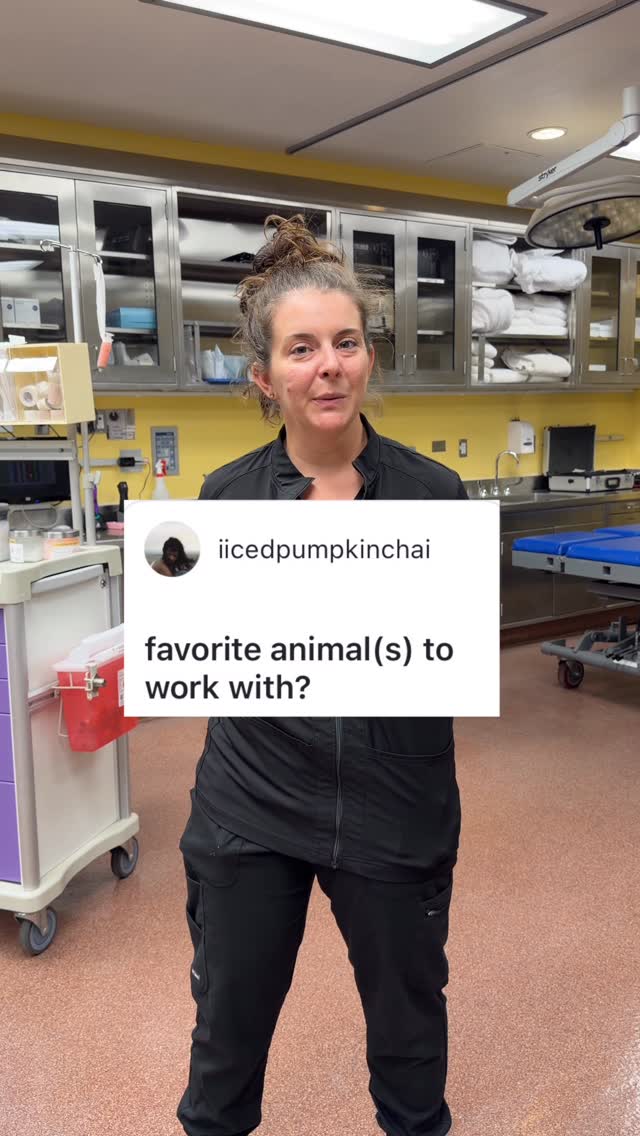
As comes to a close, our vet techs are answering some of the questions that you asked them!
Comment a 💚 emoji below to help celebrate the amazing team here at Busch Gardens.
