
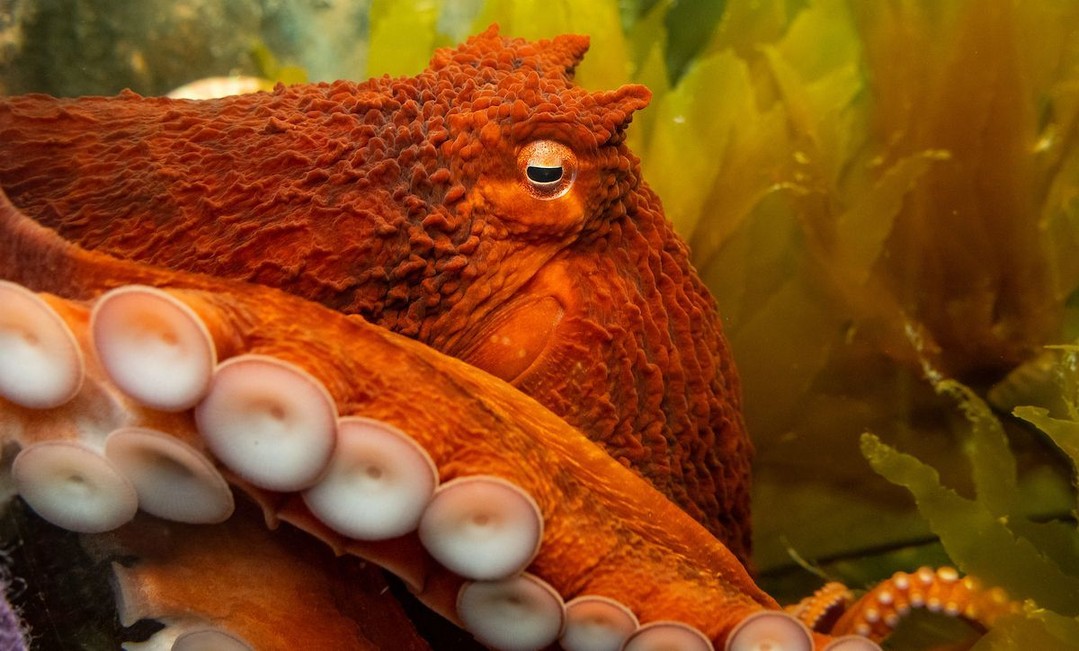
- Understanding the Giant Pacific Octopus: Biology and Behavior
- Feeding Habits and Growth Cycle of the GPO
- The Importance of Conservation and Biodiversity
- Interaction with Visitors and Educational Opportunities
- Meet Yuri: Our Resident Giant Pacific Octopus
The Giant Pacific Octopus (GPO) is a compelling subject for study due to its remarkable biology and behavior. As the largest octopus species, GPOs can reach weights up to 100 pounds when fully grown. They possess unique physiological attributes that enhance their strength, dexterity, and intelligence. Their body structure includes a soft, flexible mantle and eight powerful arms lined with sensitive suckers, enabling them to interact with their environment in intricate ways. This complex anatomy allows them to manipulate objects, escape enclosures, and even open jars, showcasing a level of problem-solving ability that has fascinated researchers.
Further enriching their behavioral repertoire is their ability to change color and texture. Specialized skin cells called chromatophores allow them to blend seamlessly into their surroundings, providing an effective means of evasion from predators. When threatened, GPOs can eject a jet of ink as a smoke screen, enabling a rapid escape from danger. This camouflage and the ink expulsion are critical survival tools in the wild.
Understanding the biological and behavioral aspects of the GPO is essential for appreciating its role within marine ecosystems. Their distinct physical attributes and behaviors exemplify the adaptability and intelligence many cephalopods possess.
The feeding habits of the Giant Pacific Octopus are particularly noteworthy. GPOs are voracious eaters, transitioning from a juvenile diet of small crustaceans to consuming a wide range of marine life as they grow. Their diet includes crabs, fish, and even other mollusks. Interestingly, GPOs convert close to 90% of what they consume directly into body growth, making them highly efficient feeders. This rapidly changes their size; they can grow from smaller than a grain of rice to nearly 100 pounds within just 4 to 5 years.
This rapid growth comes at a cost. GPOs exhibit a semelparous reproductive strategy, meaning they only reproduce once in their lives. After mating, females lay thousands of eggs and then devote themselves exclusively to brooding. This process can take several months, during which the female does not eat. Once the eggs hatch, she ultimately dies. Therefore, the cycle of life for a GPO is both fascinating and poignant, showcasing the intricate balance of growth, reproduction, and survival.
Conservation plays a crucial role in the future of the Giant Pacific Octopus and its habitat. As predators, GPOs help regulate marine populations. However, environmental changes and human activities pose significant risks. Climate change, pollution, and overfishing adversely affect ocean ecosystems and, consequently, the GPOs that inhabit them. Efforts to conserve marine biodiversity are vital not only for species like the GPO but for the health of our oceans in general. Engaging in sustainable practices and supporting conservation initiatives is essential for protecting these remarkable creatures and their environments.
Visitors to the Primate, Cat & Aquatics building can engage directly with the GPO, gaining insights into this captivating species. Yuri, the resident Giant Pacific Octopus, is three years old and serves as an ambassador for her species. The Zoo team provides educational programs designed to inform guests about GPOs, their habitats, and conservation efforts. Interactive exhibits allow visitors to learn about the anatomy and behavior of octopuses while emphasizing the importance of ocean conservation.
The presence of GPOs in educational institutions like the Zoo fosters an appreciation for marine life and encourages responsible stewardship of our oceans. With direct access to creatures like Yuri, visitors can witness firsthand the intelligence and adaptability of these animals. The experience can deepen understanding and awareness of the potential threats they face, inspiring future generations to take action for marine conservation.
Yuri is an exceptional example of the Giant Pacific Octopus, showcasing the wonders of her species while helping educate visitors about the challenges faced by marine wildlife. Observing her behaviors—such as her knack for problem-solving or her advanced camouflage abilities—offers an invaluable opportunity for education. The engagement opportunities available at the Zoo help to enlighten visitors about the broader implications of marine biodiversity and the importance of protecting ocean ecosystems.
In addition to visiting Yuri, guests can participate in various activities aimed at increasing awareness of marine life and conservation issues. These programs might include guided feeding sessions, where visitors can learn the nutritional needs and dietary habits of the GPO, or interactive discussions led by zoologists and marine biologists. Such activities create a dynamic and engaging atmosphere that emphasizes the significance of marine conservation.
The Giant Pacific Octopus embodies much of what captivates us about marine life. From its striking physical characteristics to its intricate social behaviors, the GPO is a creature worth studying and protecting. By investigating its biology and feeding habits, we glean insights into how species interact with their environments and why preserving biodiversity is crucial for future generations.
As we explore the fascinating world of the GPO, we also realize the imperative for conservation. The threats faced by the Giant Pacific Octopus underscore the broader challenges within our oceans. Climate change and habitat degradation affect not just the GPO but an entire web of marine life. Therefore, fostering an understanding of marine ecosystems and promoting conservation efforts becomes essential.
The engagement with Yuri at the Primate, Cat & Aquatics building serves as a vital reminder of the connections we share with marine species. Through education and advocacy, we can help ensure that future generations can marvel at the beauty and complexity of creatures like the Giant Pacific Octopus. By encouraging a proactive stance on conservation, we can work collectively to protect our planet’s oceans and the captivating life within them.
Ultimately, the Giant Pacific Octopus represents far more than just an impressive marine animal. It symbolizes the interconnectedness of life on Earth and the responsibility we bear to safeguard the diverse species that inhabit our oceans. Our encounters with creatures like Yuri can inspire a lasting commitment to marine conservation and biodiversity, paving the way for a healthier planet for generations to come.
*****
Source Description
Who has visited our Giant Pacific Octopus (GPO) at the Primate, Cat & Aquatics building?🐙 The Giant Pacific Octopus is the largest octopus species in the world, reaching up to 100 lbs. as adults! This incredible species can display great strength, dexterity, and intelligence. They have the ability to regrow lost limbs, have special skin that camouflage them from enemies, and even jet away from a bad situation in a smoke screen of ink.
However, their greatest superpower is…eating! Octopuses are eating machines, converting nearly 90% of what they consume directly into growth. GPOs only live for 4-5 years and within that brief time, grow from smaller than a grain of rice to almost 100 lbs.!
Yuri, the Giant Pacific Octopus you can see at the Zoo, is already 3 years old! Stop by and learn more from our Zoo team about GPOs!
