
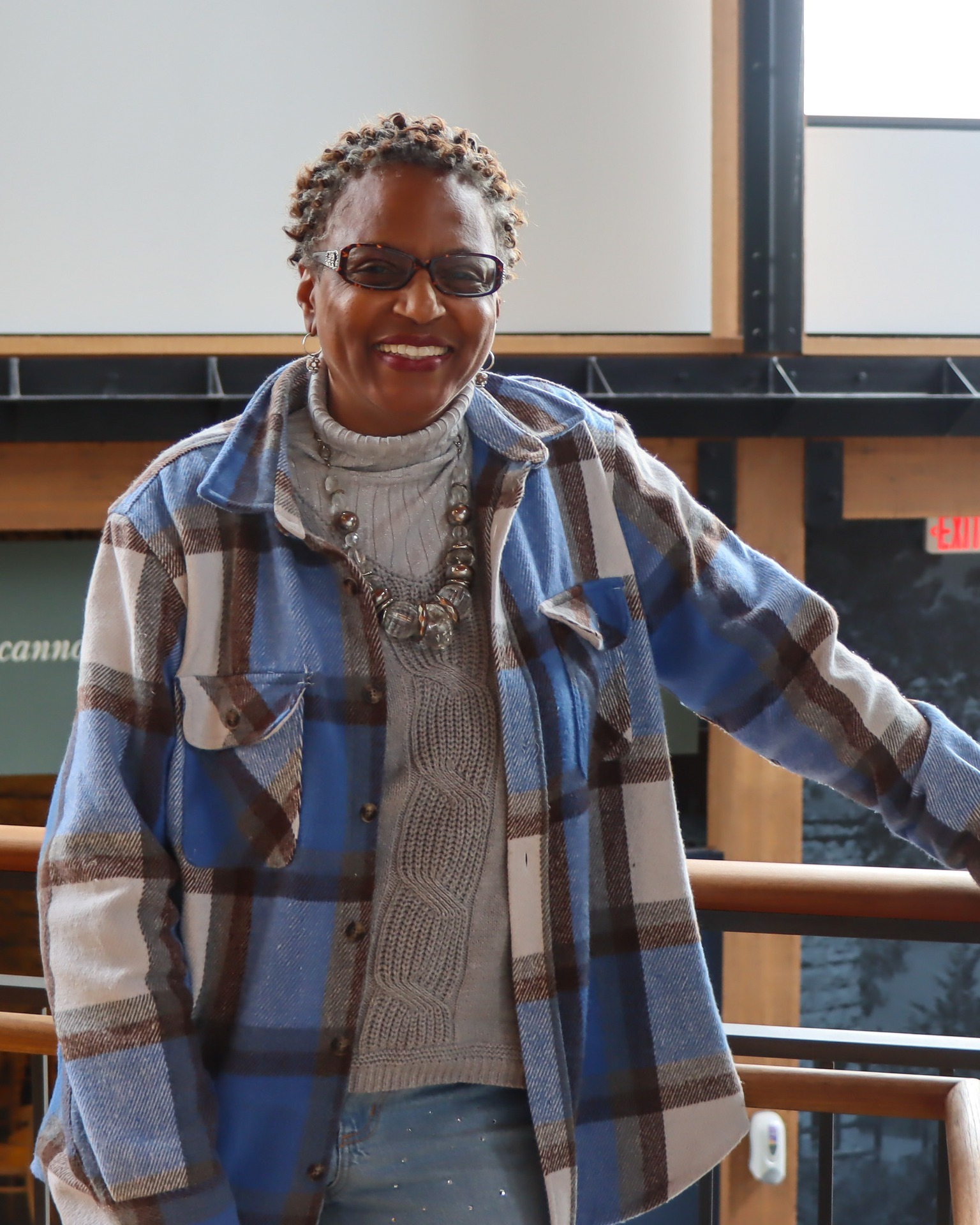
- Peggy Jackson’s journey as a dedicated volunteer at the River Museum.
- The impact of volunteer work on community engagement and visitor experience.
- Peggy’s diverse volunteer experiences beyond the River Museum and their significance.
- The essential role of volunteers in educational institutions and museums.
- Ways to get involved in volunteer opportunities and the benefits to individuals and communities.
Peggy Jackson’s journey as a dedicated volunteer at the River Museum spans an impressive 13 years. She contributes significantly to the museum’s operations and visitor experience. From greeting guests to answering phone inquiries, Peggy embodies the spirit of volunteerism. Her friendly demeanor puts visitors at ease, fostering a welcoming atmosphere. During events like Ice Fest, her involvement becomes even more pronounced as she helps organize activities. This kind of community engagement is invaluable, as it enriches the museum’s role as a cultural and educational hub.
The impact of volunteer work extends beyond specific tasks. Volunteers like Peggy enhance the visitor experience in meaningful ways. They serve as informal educators, sharing insights and information about exhibits and local wildlife. Engaging directly with visitors, volunteers answer questions, guide discussions, and offer personal anecdotes that make the museum visit memorable. This one-on-one interaction serves to bridge the gap between formal education and personal experience, which is particularly vital in settings focused on science and conservation.
Just as inspiring as her work at the River Museum is Peggy’s broader commitment to volunteering throughout Dubuque. She participates in various initiatives, showcasing her dedication to community well-being. Her involvement includes helping local food banks and participating in environmental clean-up efforts. These experiences reflect a commitment to nurturing both human and environmental health. By volunteering in diverse capacities, Peggy exemplifies how individuals can contribute to a stronger society.
The essential role of volunteers in educational institutions and museums cannot be overstated. They fill critical gaps that staff may not have the time or resources to address effectively. This synergy not only promotes efficient operations but also allows for a richer educational experience. Museums that leverage volunteer support can offer more dynamic programming and outreach, resulting in higher visitor engagement. Volunteers act as champions of their institutions, helping to attract more visitors and supporters.
Getting involved in volunteer opportunities like those at the River Museum is rewarding for individuals and communities alike. For volunteers, the benefits include skill development, networking, and personal fulfillment. Engaging in volunteer work enriches lives and introduces individuals to new perspectives. For the community, increased volunteer involvement fosters vibrant local culture. Local organizations benefit from a diverse talent pool willing to invest time and energy into meaningful projects.
Peggy Jackson serves as a prime example of how committed individuals can impact their communities positively. Her story illustrates the depth of volunteerism at the River Museum and beyond. Each interaction she has with visitors and fellow community members adds to a larger narrative of connection, education, and stewardship. By emphasizing the importance of volunteering, organizations can inspire more people to follow in her footsteps and contribute to community enrichment.
Through her experience, Peggy highlights that volunteering at an institution like the River Museum is not just about offering time but about creating relationships and building community. When visitors feel more connected, they are likelier to return and advocate for the museum in their circles. The excitement she brings during holiday decorations or events creates lasting memories for guests, showcasing the essential connection between volunteers and the life of the institution.
The stories and personal interactions of volunteers contribute substantially to the fabric of the museum’s identity. Visitors remember faces and voices long after leaving the museum. Such connections enrich the cultural tapestry of the area, reinforcing the museum’s place within the community.
The importance of volunteers in educational and conservation efforts also aligns well with increased awareness around wildlife conservation and environmental stewardship. Volunteers are often frontline ambassadors for promoting respect for nature and wildlife. By engaging visitors in discussions on local ecosystems and conservation issues, volunteers help build a sense of responsibility and advocacy for preserving these resources.
Peggy’s role serves as a microcosm of how centralized volunteer efforts can lead to broader community impact. Her history with the River Museum emphasizes how institutional knowledge, passion, and commitment to public service intermingle to create long-lasting relationships and impact. As patrons learn more about local history, they simultaneously develop an appreciation for conservation, enhancing both their knowledge and commitment to the environment.
Furthermore, the opportunities for volunteering are plentiful, and those looking to make a change can start small. Whether at the River Museum or elsewhere, every effort counts. Many organizations typically maintain a volunteer page outlining roles available for community members. Interested individuals can participate in orientation sessions to understand better what is expected of them.
While volunteering often comes with its challenges, such as time constraints or balancing personal commitments, the rewards far outweigh these considerations. Not only does it create a sense of community, but it also can serve as a crucial catalyst for personal growth. Skills gained through volunteering—like communication, problem-solving, and teamwork—translate well into personal and professional situations.
Ultimately, Peggy Jackson embodies the essence of volunteerism. Her 13 years at the River Museum reflect not just the time spent but the quality of interactions she has fostered. These interactions form the basis of not just visitor engagement but a growing community of advocates for wildlife conservation and education. By shining a light on her journey and initiatives, the River Museum continues to be a hub for learning and connection, drawing in those interested in wildlife, nature, and community service.
The narrative of volunteers like Peggy serves as an essential reminder of the power of individual contributions. Each hour spent volunteering holds the potential for radical change, both in the lives of participants and in the communities that benefit from their efforts. Increased awareness of how critical volunteers are can galvanize others to join in and support local efforts, creating a monumental wave of positive change that uplifts the community as a whole.
*****
Source Description
Volunteer Spotlight!
Meet Peggy Jackson, one of the amazing volunteers at the River Museum!
Peggy has been with the museum for 13 years. She greets visitors, answers phone calls, helps with questions, and takes part in different events like Ice Fest. Plus, she gets into the holiday spirit by helping to decorate for Christmas.
What Peggy loves most about volunteering at the River Museum is meeting new people and chatting with them. Her enthusiasm for helping others doesn’t stop here; she also volunteers at various places around Dubuque.
