
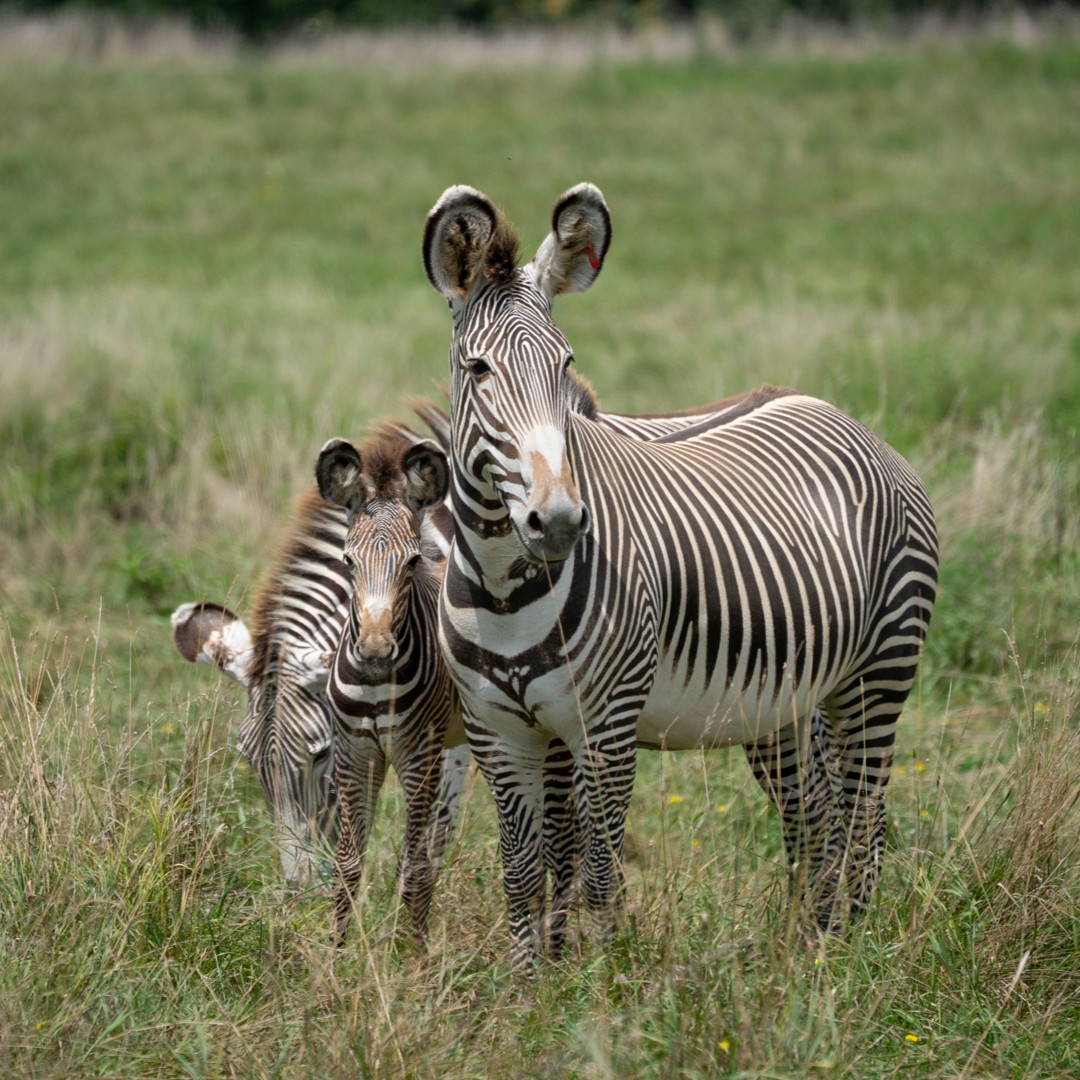
- Overview of the zebra species and their significance in wildlife conservation
- Introduction to the zebra foal naming campaign and its impact on community engagement
- Detailed descriptions of the proposed names and their meanings
- Importance of voting in wildlife initiatives and fostering public interest
- Examination of the role of zoos in education and conservation efforts
The zebra species, consisting of three main types—the plains zebra, Grevy’s zebra, and mountain zebra—acts as a crucial part of their ecosystems. They inhabit grasslands and savannas throughout Africa, where they contribute to the intricate balance of biodiversity. Zebras have a significant role in their habitats, as they help to maintain the health of grasslands by grazing. This action fosters a dynamic ecosystem by enabling other species to thrive, demonstrating the interconnectedness of life within their environments. Importantly, zebra populations face several threats, such as habitat loss and poaching, making their conservation essential.
This zebra foal naming campaign invites the public to participate in the exciting process of choosing a name for a new addition to the wildlife family. Such initiatives not only create engagement but also foster a sense of community. People love to be involved in shaping the lives of animals they feel connected to. The opportunity to vote for a name is about more than just selecting a fun moniker; it serves as a tool for educating the public about the importance of conservation and wildlife preservation. Each submitted name has been thoughtfully curated, and the significance of each is rooted in cultural and environmental contexts.
The four proposed names capture both personal qualities and cultural meanings. Gemma suggests beauty, as it comes from the Latin word for “gem,” a term often associated with precious stones. This name could represent the animal’s uniqueness and charm. Opal, another gem-themed name, reflects the vibrancy of colors found in opal stones, akin to the zebra’s alluring patterns and personality. Freya, rooted in Norse mythology, refers to the goddess of love and beauty, invoking strong sentiments related to care and passion for wildlife. Lastly, Almasi means “diamond” in Swahili, connecting the foal to both the African continent and the notion of rarity, as diamonds are precious and symbolize resilience. Each name brings a rich background that adds depth to the engagement process.
Voting in such campaigns extends beyond choosing a name; it contributes to broader public interest in wildlife initiatives. When individuals participate, they often learn more about the animals and their ecosystems. This moment of engagement sparks curiosity and can lead to active participation in local wildlife programs or conservation efforts. Campaigns like this aim to inspire both personal investment and ongoing advocacy for animal welfare. By selecting a name, community members solidify their ties to the zoo and its mission, establishing a sense of ownership over the animal’s story.
Zoos play a crucial role in education and conservation efforts. They serve as living classrooms where visitors learn about species conservation, biodiversity, and ecological responsibility. Connecting with animals like zebras can spark a passion for wildlife, leading to advocacy and action within local communities. Programs that allow for public engagement, like the zebra foal naming campaign, create memorable experiences that resonate in people’s lives long after they leave the zoo grounds. This establishes not only emotional connections but also promotes ongoing dialogue about conservation issues.
Zoos also contribute to essential research that aids in understanding animal behavior, reproduction, and health management. By working collaboratively with organizations dedicated to habitat preservation and breeding programs, zoos impact conservation efforts directly. Many species have been saved from the brink of extinction through captive breeding and educational outreach. The zebra foal, like many other animals residing in zoos, represents a living testament to effective wildlife management, where the public is not just a spectator but an essential part of the narrative.
The zebra foal naming initiative, sponsored by Diamond Cellar, highlights the intersection of local business involvement and wildlife conservation. This collaboration showcases how community businesses can engage with animal welfare issues while encouraging their customers to participate in meaningful causes. By naming the zebra foal, participants are not only actively contributing to the zoo’s educational efforts but also creating a narrative that emphasizes the importance of community in conservation.
In addition, public participation fosters awareness about the endangerment of species like zebras. Educational campaigns can accompany initiatives like this to provide visitors with knowledge about the challenges zebras face, such as habitat loss and human-wildlife conflict. This knowledge will encourage responsible choices and inspire many to advocate for sustainable practices in their daily lives.
With the deadline for voting fast approaching, participants should seize this chance to engage with the naming campaign. Each visitor’s choice matters and reflects broader environmental values. When community members combine their voices to vote, they send a clear message that they care about wildlife and its future.
This initiative exemplifies how participation fosters a sense of guardianship over local ecosystems. Visitors can deepen their understanding of how actions impact broader environmental issues while fostering communal bonds over a shared goal. As individuals come together to decide on a name for the zebra foal, they develop a collective narrative that intertwines with their commitment to wildlife conservation.
Zoo staff eagerly anticipate the announcement of the winning name, but the true success lies in the relationships built during the voting process. Regardless of which name is chosen—be it Gemma, Opal, Freya, or Almasi—the campaign itself serves as a monumental step towards uniting the community around wildlife conservation. It ignites discussions about the role of education, understanding animal behavior, and contributing to the preservation of endangered species.
The zebra foal’s naming initiative also reflects the broader trends in zoos adopting educational programs focused on wildlife conservation. Increasingly, zoos employ methods that encourage public engagement, aiming to turn casual visitors into passionate advocates. Events like this create lasting impressions, further emphasizing the idea that conservation is a community affair—every voice amplifies the message.
In addition to engaging with the local community, such campaigns highlight the cultural significance of various names, creating a dialogue around the importance of understanding and appreciating diverse perspectives. By naming the zebra foal with options steeped in meaning, participants not only contribute to the animal’s identity but also spark discussions around cultural heritage and respect for various traditions.
As time winds down to the vote, the thrill of participating in this community initiative brings the joy of collective action to the forefront. The excitement surrounding the foal serves as a reminder of the role wildlife plays in connecting individuals from different backgrounds. Such moments build empathy and understanding, bridging gaps through shared concern for animal welfare.
Ultimately, this zebra foal’s naming campaign embodies the essence of community involvement in wildlife conservation. It invites everyone to participate in a discussion much broader than a simple name—one that encompasses the lives of the animals, the dynamics of their ecosystems, and overall global conservancy efforts. By voting, participants link their voices to a greater mission, showcasing that every individual can contribute to the cause of wildlife protection.
By championing the significance of participation, education, and cultural appreciation, this initiative serves as a call to action for all to engage in conservation efforts. Voting for the zebra foal’s name transcends the initial act; it ignites a lasting commitment to the future of wildlife, nurturing a sense of responsibility that can inspire a generation to champion the cause. As the community prepares for the conclusion of the campaign on November 28, 2025, each vote carries the potential for meaningful change, fostering a robust network of advocates for wildlife conservation well into the future.
*****
Source Description
There’s still time to vote for our zebra foal’s name! Choose your favorite from the following list:
🔸 Gemma
🔸 Opal
🔸 Freya
🔸 Almasi (Swahili for ‘diamond’)
Submissions close on Friday, November 28 and we’ll announce the winning name on Monday, December 1, 2025. To vote for your favorite name, visit our website (link in bio).
This “Name that Baby” opportunity is proudly presented by @diamondcellar.
