
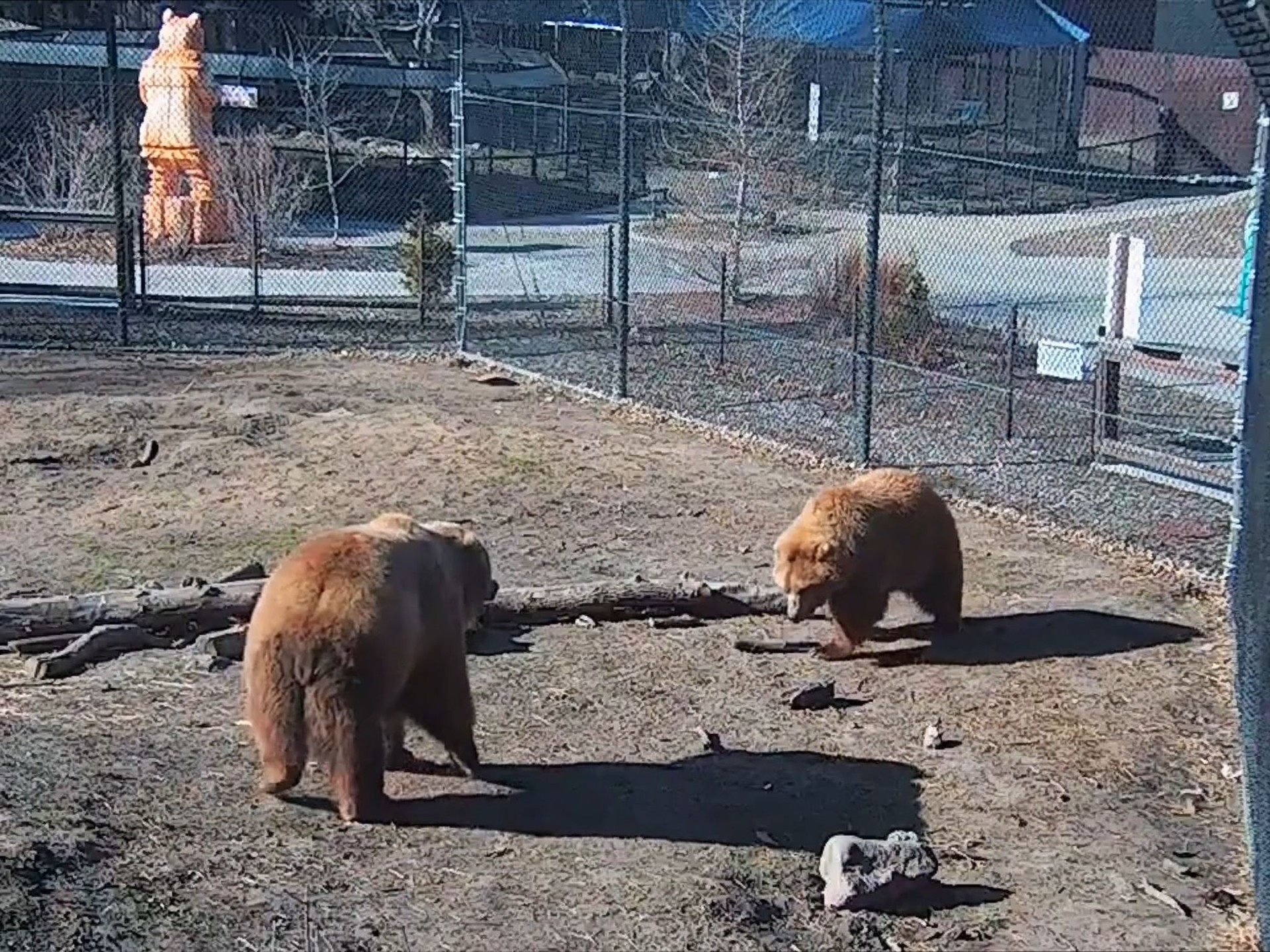
- The captivating behavior and characteristics of Kodiak and Katmai bears.
- The role and importance of live-streaming in wildlife observation and education.
- Conservation efforts and challenges facing bear populations.
- Zoology and wildlife management practices that support bear well-being.
- The impact of human interaction and technology on wildlife conservation.
Bears play an integral role in our ecosystems, often symbolizing wilderness and raw nature. Kodiak and Katmai bears, a specific interest point for many wildlife enthusiasts, offer a fascinating glimpse into the life of these magnificent creatures. These bears are renowned for their size and playful behavior, providing endless joy to those who observe them. Understanding the captivating behavior and characteristics of bears like these is essential for conservation efforts and environmental education.
Kodiak bears are one of the largest bear species, second only to polar bears, noted for their immense size and strength. They inhabit the Kodiak Archipelago in Alaska, living in isolated regions that host a diverse range of wildlife. Katmai bears, residing in Alaska’s Katmai National Park, share similar habitats and display unique foraging behaviors. Both Kodiak and Katmai bears are omnivorous, with diets comprising fish, plants, and small mammals. During salmon runs, these bears showcase their remarkable fishing skills, providing a vital opportunity for feeding and energy accumulation.
The behavior of these bears is as intriguing as it is educational. They exhibit playful wrestling and swimming, which serves both social and survival functions. These playful interactions develop skills necessary for hunting and territory defense. Such behaviors are not only captivating to watch but also play a crucial role in understanding bear ecology and their roles within their ecosystems.
The advent of live-streaming technology has revolutionized wildlife observation. Platforms like Zoolife provide round-the-clock access to the bears’ natural habitats, allowing viewers to witness their daily activities in real time. This accessibility is invaluable for researchers, educators, and wildlife enthusiasts. It offers insights into natural behaviors that inform conservation strategies and enhance public understanding of wildlife.
The importance of live-streaming extends beyond just observation. It serves an educational purpose by raising awareness about the challenges bears face, such as habitat loss and climate change. Viewers gain an appreciation for the bears’ natural behaviors and the significance of their conservation. By engaging a global audience, platforms foster a deeper connection with wildlife, encouraging collective efforts in conservation.
As bear populations face threats from human activities, conservation becomes imperative. Habitat destruction, climate change, and human-wildlife conflicts pose significant challenges to bear survival. While organizations work tirelessly to protect these majestic animals, the integration of technology in conservation strategies is proving pivotal. Satellite tracking, for example, helps monitor bear movements and gather data critical to understanding their ecological needs.
Conservationists emphasize the importance of preserving habitats that bears depend on. Maintaining healthy ecosystems ensures that bear populations continue to thrive, benefiting biodiversity and ecological balance. Conservation efforts often involve collaboration between governments, NGOs, and local communities to implement strategies that mitigate human-bear conflicts and preserve natural habitats.
Zoology and wildlife management are central to maintaining bear well-being. Researchers study bear behaviors, health, and habitats, collecting data to create effective management plans. These scientific endeavors require precise methodologies and innovative thinking to address the multifaceted challenges bears encounter in the wild. Effective wildlife management practices strive to balance human needs with ecological preservation.
Animal welfare is another critical component of these efforts. Ensuring that bears have access to adequate food sources, safe habitats, and limited human interference safeguards their health and longevity. Wildlife sanctuaries and national parks play vital roles in the conservation landscape, offering protected environments for bear populations to thrive.
The impact of human interaction on wildlife cannot be underestimated. As more people engage with wildlife through technology, there is potential for both positive and negative outcomes. On the positive side, technology fosters awareness and global action for conservation. However, it is equally important to manage human impact so that it does not disrupt natural behaviors or lead to dependency.
Careful regulation and thoughtful implementation of technology are necessary to minimize these risks. Conservationists and policymakers work together to develop guidelines that protect wildlife while promoting education and engagement. The ongoing dialogue between technology, human interaction, and wildlife conservation underlines the complexity of preserving natural ecosystems while benefiting from modern advancements.
In conclusion, understanding the behavior and ecological significance of Kodiak and Katmai bears enriches our appreciation of these extraordinary creatures. Through live-streaming and advanced zoological research, we gain insights that fuel conservation efforts and inspire global stewardship. By actively supporting strategies that protect bear populations and their habitats, we contribute to a world where wildlife can flourish alongside human development.
*****
Source Description
It’s and we’re pretty sure happier (or more playful) bears don’t exist! 🐻
Watch Kodiak and Katmai anytime with our 24/7 cam on Zoolife and never miss a happy moment!
Watch at the link in our bio!
.
.
.
