
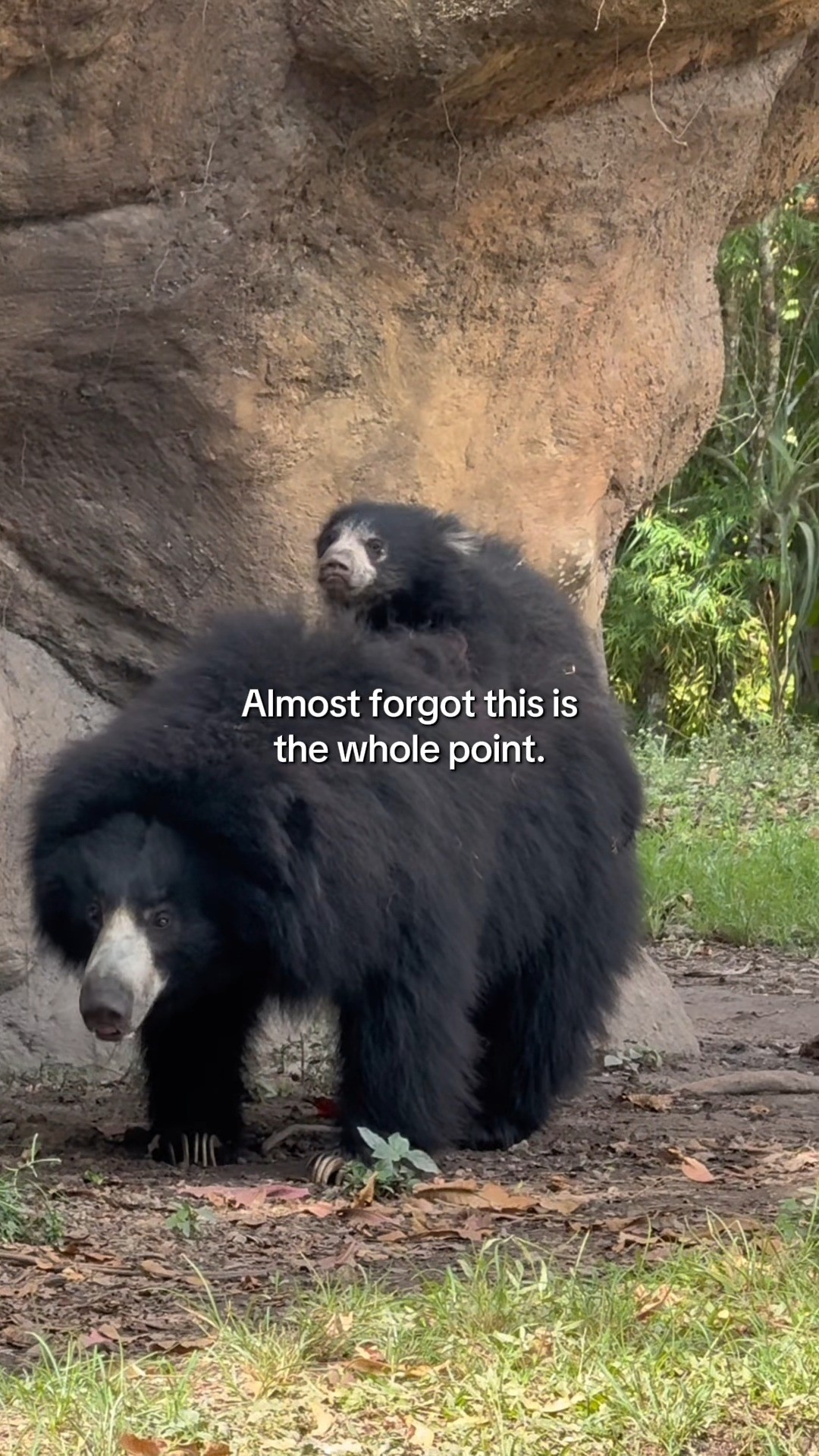
- Understanding the integral role of zoos in wildlife conservation and species preservation.
- Examining how engaging social media content, like Instagram, plays a part in education and awareness.
- Highlighting the importance of combining public interaction with scientific research in zoos.
- Exploring the challenges and responsibilities of zoo management in maintaining animal welfare.
- Discussing innovative approaches to wildlife conservation in a rapidly changing environment.
Zoos have long been at the forefront of wildlife conservation and education. They serve as a crucial bridge, connecting the general public with the diverse species that inhabit our planet. Understanding the role of zoos in conserving wildlife extends beyond mere visitation; it involves delving deeply into the multifaceted functions these establishments perform. This exploration begins with their core mission: preserving species and ecosystems that are increasingly at risk.
One of the primary functions of zoos is to act as genetic reservoirs for endangered species. Through carefully planned breeding programs, zoos maintain genetic diversity among populations at risk of extinction. This preservation of genetic material becomes vital not only for species survival but also for the potential re-introduction into their natural habitats. Such programs require rigorous scientific research and collaboration across global networks to ensure successful outcomes. This systematic approach ensures that breeding efforts are not in vain, providing a lifeline to species facing decline in the wild.
Social media has become a powerful tool in spreading awareness and education about wildlife conservation. Platforms like Instagram serve as dynamic channels for zoos to engage with a broader audience. By posting visually captivating and emotionally resonant content, such as Instagram reels, zoos can inspire viewers to care about conservation efforts. The thoughtful integration of hashtags and visually appealing media allows audiences to connect with stories of animals on a personal level. This emotional engagement often translates into increased awareness and support for conservation initiatives, encouraging a more environmentally conscious public.
Combining public interaction with scientific research is another critical aspect of zoo operations. Many institutions now incorporate interactive experiences that allow visitors to observe and learn about ongoing research. By showcasing active participation in scientific endeavors, zoos foster a learning environment that transcends traditional exhibits. Interactive platforms and educational workshops enable visitors to engage directly with researchers, gaining insights into the challenges and triumphs of wildlife conservation efforts.
Zoo management carries immense responsibilities, primarily focusing on the welfare of the animals under their care. Ensuring proper nutrition, medical care, and appropriate living environments are fundamental tasks that require immense expertise and dedication. These elements are vital not only for the animals’ health but also for their psychological well-being. Modern zoos strive to replicate natural habitats as closely as possible, providing both stimulation and comfort. This commitment to animal welfare is reflected in the development of new standards and practices, demonstrating the evolving nature of zoo management.
Innovation plays a key role in adapting zoo practices to meet current conservation challenges. As environmental conditions shift and new threats emerge, zoos must implement novel conservation approaches. This includes embracing technology and turning towards ecological simulation tools to better understand wildlife needs. Collaboration with global conservation bodies and integration of cutting-edge scientific research are essential for developing effective strategies. By staying at the forefront of innovation, zoos can contribute significantly to the preservation of biodiversity.
In summary, zoos are pivotal in promoting wildlife conservation, enhanced by their strategic use of social media platforms like Instagram. Through education, engaging public interaction, and scientific research, zoos continue to provide vital support to species preservation and ecosystem sustainability. Their commitment to innovation and animal welfare ensures they remain indispensable in safeguarding the world’s biodiversity.
*****
Source Description
Actually, we are always reminded ✨🥹
