
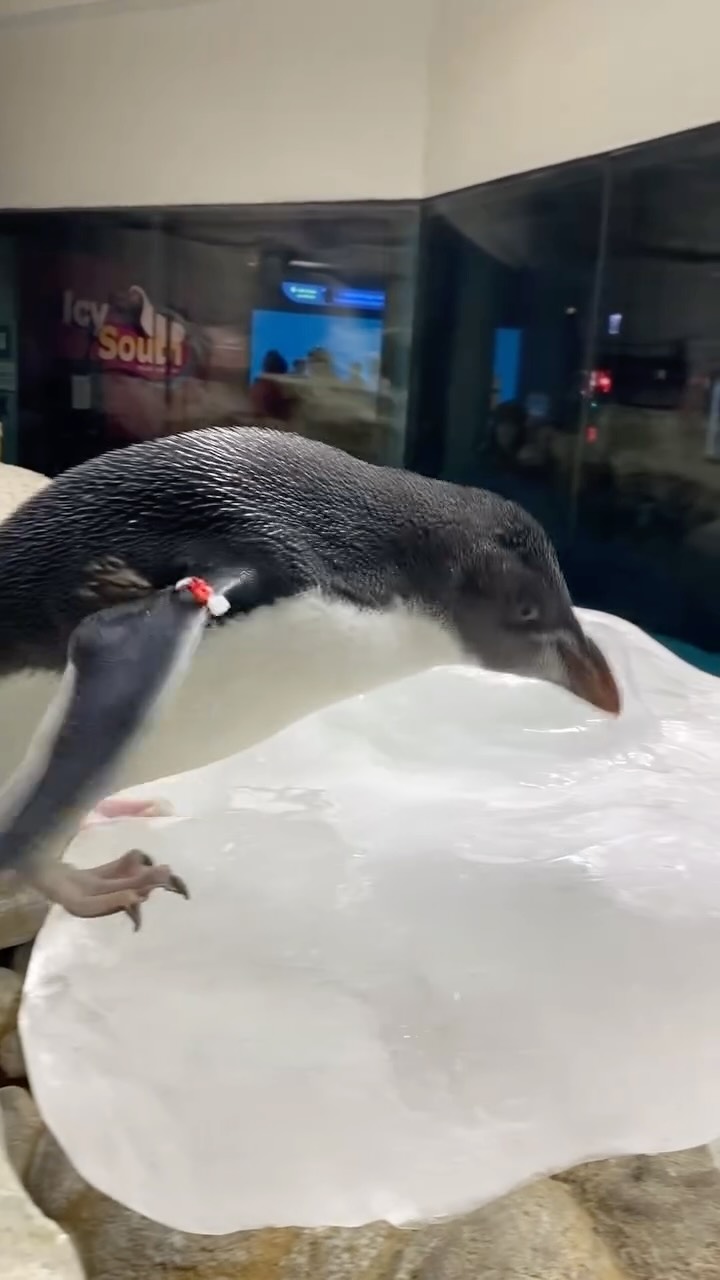
- Extreme cold weather and public safety
- Animal welfare during adverse weather conditions
- Shedd Aquarium’s closures and operational procedures
- The role of aquariums in education and conservation
- Importance of monitoring and adapting to changing weather patterns
Extreme cold weather poses significant dangers not only to humans but also to wildlife and domestic animals. It can lead to hazardous conditions that affect people’s daily lives, prompting certain facilities, such as Shedd Aquarium, to close temporarily. On January 23, a severe cold snap led to the aquarium’s decision to shut its doors for public safety, as exposure to frigid temperatures can have serious consequences.
Public safety measures during extreme weather are a priority. Municipalities and organizations monitor conditions closely and issue warnings as necessary. As temperatures drop, potential hazards such as frostbite increase. In the case of Shedd Aquarium, the closure was purely precautionary, given the forecast for intense cold. With this closure, the aquarium aims to keep both visitors and staff safe from the harsh elements.
While the public is advised to remain indoors, the aquarium’s dedicated Animal Care team remains on-site. Their primary responsibility is to monitor the conditions of the animals, guaranteeing that they receive proper care even when the facility is closed. The wellbeing of animals in an aquarium setting is paramount, especially during extreme weather events. The team is trained to recognize the signs of stress or discomfort in aquatic and terrestrial animals.
With many species housed at Shedd Aquarium originating from different environments, the team must understand the specific needs of each animal. For example, polar animals like beluga whales are well adapted to cold waters, while tropical species require warmer conditions. Therefore, the aquarium employs specialized climate control systems that can be adjusted according to the needs of different animals. Staff would take additional precautions during the extreme cold, checking habitats and ensuring that every species remains comfortable.
The Shifts in weather patterns impact not only human activities but also animal behavior. Animals can experience stress due to sudden environmental changes. In captive settings like zoos and aquariums, staff can integrate different enrichment techniques to alleviate stress levels associated with changes in weather. Providing stimulation through various forms of interaction, whether through toys or feeding routines, becomes a critical element in their care strategy.
The temporary closure of Shedd Aquarium for public safety highlights the institution’s commitment to its mission of education and conservation. Aquariums play a vital role in fostering awareness of marine ecosystems and the impact of climate change on aquatic life. They serve as platforms for education and advocacy, fostering a connection between people and the oceans. The aquarium often uses its exhibits to communicate essential messages on conservation, biodiversity, and the importance of protecting natural habitats.
Even during closures, the Shedd Aquarium continues to disseminate valuable educational content through virtual platforms, including engaging videos and live feeds of animal habitats. This form of outreach remains crucial, as it keeps the public engaged while the facility is closed. It encourages a continued dialogue about marine conservation and the importance of biodiversity.
The influence of weather on wildlife extends beyond just aquariums and zoos. Natural environments are also affected by climate conditions. Animals in the wild face numerous challenges during extreme weather events, including changes in food availability, nesting success, and migration patterns. Changes in temperature can disrupt breeding cycles and habitat conditions, further complicating survival for many species.
Organizations focused on wildlife conservation pay close attention to these changes, aiming to adapt their strategies accordingly. The role of conservationists involves studying these patterns closely, collecting data, and addressing the factors that threaten wildlife. By understanding how climate conditions impact ecosystems, they can create more effective conservation initiatives and policy recommendations.
Moreover, public engagement with these issues is increasingly important. Understanding the interconnectedness of climate and wildlife can drive support for conservation efforts. People are more likely to take part in initiatives if they grasp the significance of environmental stewardship, especially in light of prominent weather changes.
Shedd Aquarium serves as an example of how organizations can respond to adverse weather while also prioritizing animal care and visitor safety. The protocols established during such times are indicative of a larger trend in conservation management. The commitment to animal welfare during unstable environmental conditions reflects the ongoing need for adaptable structures within conservation organizations.
Potential partnerships with weather agencies also become crucial during extreme conditions. Collaborative efforts can lead to better management practices both for captive and wild animals. Access to accurate and timely meteorological data aids zoos and aquariums in making informed decisions regarding animal care.
Importantly, as the climate continues to shift, institutions like Shedd Aquarium have a key role in educating the public about these effects. They emphasize the importance of informed action regarding climate change. Through educational initiatives, they can advocate for sustainable practices that will protect both human and animal populations.
The implications of extreme weather on both human society and natural ecosystems cannot be underestimated. This complex relationship underscores the need for ongoing dialogue and action. By learning from events like the recent closure at Shedd Aquarium, other institutions can refine their strategies, promoting a culture of adaptability and preparedness.
In summary, extreme cold weather necessitates proactive measures for public safety and animal welfare, compelling institutions like Shedd Aquarium to close temporarily. The diligent efforts of the Animal Care team continue to underscore the commitment to animal care, while the role of aquariums in education and conservation emphasizes the broader implications of weather and climate. Understanding the ever-changing dynamics of weather provides opportunities for improved conservation efforts and public engagement in protecting the environment. Weather updates serve as critical reminders of our influence on wildlife and the need for responsible stewardship moving forward.
*****
Source Description
Weather update ❄️
Due to extreme cold weather, Shedd Aquarium is closed Friday, Jan. 23 to keep everyone safe.
While many of us will be staying warm indoors, our Animal Care team will be onsite ensuring the animals remain safe, comfortable and well cared for.
Here’s a short video you can enjoy from home until we reopen to the public on Saturday, Jan. 24.
