
- Understanding the importance of butterfly conservation and its impact on ecosystems
- The role of butterfly houses in education and community engagement
- Species diversity and the challenges butterflies face
- Best practices for visiting a butterfly house and what to expect
- The broader implications of butterfly conservation on global environmental health
Visiting a butterfly house this weekend is more than just a beautiful outing; it’s a chance to understand the intricate role butterflies play in our ecosystems. With their vibrant colors and delicate wings, butterflies are not only captivating to observe, but they also serve vital functions in nature. They pollinate flowers and provide key sustenance for various animals, positioning them as crucial players in maintaining the balance of various ecosystems.
Conservation efforts surrounding butterflies have significant implications, extending into realms such as agriculture, horticulture, and environmental quality. Butterfly populations can serve as barometers for the overall health of the environment. A decline in butterfly populations often signals underlying issues such as habitat loss, pesticide use, and climate change. Understanding these trends is critical for developing actionable conservation strategies.
Butterfly houses often act as sanctuaries for these important insects, providing an opportunity to cultivate and educate about butterfly species. By replicating natural habitats, these facilities play a significant role in breeding and nurturing butterflies, making them accessible to people while promoting awareness about their ecological importance. From caterpillars to fully fledged butterflies, visitors get an up-close look at the stages of their life cycle, aiding educational objectives.
Furthermore, the species diversity found in butterfly houses is remarkable. Different species inhabit various ecosystems ranging from tropical rainforests to temperate woodlands, each adapted with unique behaviors and life cycles. The challenges that butterflies face are abundant. Habitat destruction due to urban development, extreme weather events, and the widespread use of chemicals for pest control heavily impact their populations. For many species, the struggle for survival is real, making the educational component of visiting a butterfly house particularly impactful.
When visiting a butterfly house, there are certain best practices to follow that enhance the experience. Attendees should consider the best times to visit, as butterflies are most active during warm, sunny days. A quiet demeanor will help visitors appreciate the beauty of the species without causing stress to the butterflies. Guided tours often provide a wealth of information, so engaging with staff and asking questions will enhance your visit.
Expect to learn about conservation initiatives that butterfly houses are involved in. Many institutions collaborate with scientists to monitor butterfly populations and contribute valuable data to research efforts. These initiatives often extend to the restoration of native plants in surrounding areas to provide suitable habitats for butterflies and other pollinators.
Moreover, the implications of butterfly conservation extend beyond aesthetics. Butterflies contribute substantially to pollination, supporting not only wild ecosystems but also agriculture. Many crops, such as fruits, vegetables, and nuts, rely on pollinators to produce abundantly. By supporting butterfly conservation efforts, we recognize the interconnectedness of biodiversity and the larger environmental challenges facing our planet.
As you plan your weekend, including a visit to a butterfly house can enrich your understanding of these remarkable insects while helping foster a sense of environmental stewardship. Get involved, whether that be by becoming a member, contributing to their mission, or even promoting awareness through social media channels. Each action can contribute to the health of ecosystems and contribute significantly to local and global conservation efforts.
In considering the weekend’s plans, investing time into understanding butterfly conservation directly benefits ecosystems. The beauty of butterflies is evident, but their ecological roles and the challenges they face warrant urgent attention. Engage with educational exhibits, guided tours, and interactive programs designed to highlight the fragility of butterfly populations.
The enthusiastic participation of visitors in butterfly houses creates a community of advocates. When families and individuals unite in their appreciation for butterflies, it encourages the broader public to participate in conservation efforts. By sharing knowledge, challenges, and successes, the message about the significance of butterfly conservation can spread farther and prompt meaningful change.
While enjoying the vibrant colors and serene atmosphere of a butterfly house, you can take the knowledge gained beyond the walls of the facility. Consider planting native flowers in your backyard. Each bloom can serve as a haven for local butterfly species, contributing to habitat restoration. In this way, your simple weekend excursion evolves into a greater movement towards protecting these essential species.
Butterflies, often overlooked in discussions about conservation, play a crucial role in ensuring the stability of ecosystems. By prioritizing their conservation, we indirectly advocate for environmental quality and biodiversity preservation as a whole. Butterfly houses are a bridge between nature and humans, working to mitigate the threats that butterflies face.
Remember, conservation isn’t merely an activity for scientists and enthusiasts. Instead, it is a collective responsibility that requires participation from all corners of society. The health of our ecosystems, agriculture, and communities can greatly benefit from engagement in butterfly conservation efforts. Engage with your local butterfly house, take notes on how you can contribute, and inspire others around you.
This weekend could be the start of a broader commitment to understanding and protecting our environment. Choose to visit a butterfly house, immerse yourself in the beauty and wonder of these incredible insects, and leave with tools and information that allow you to be an active participant in butterfly conservation. Engaging with these facilities fosters not only awareness but also actionable steps toward ensuring that future generations enjoy the same mesmerizing sights.
*****
Source Description
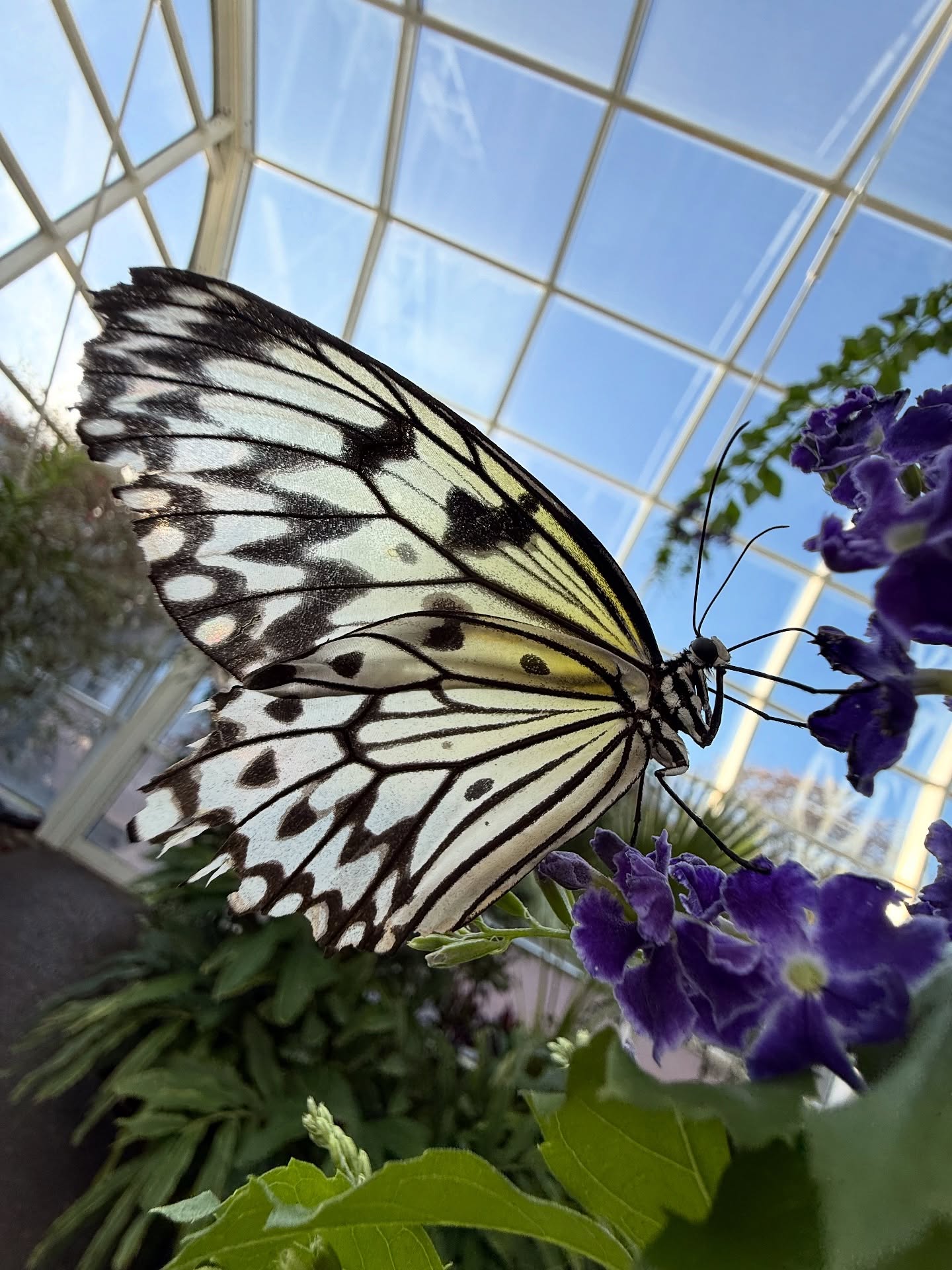
What are your plans for this beautiful weekend? We hope they include a stop at the Butterfly House! 🦋
📷: Paula Betz
