
- Understanding the Importance of Weighing African Penguins
- The Process of Weighing Penguins and Its Benefits
- Training Techniques for Voluntary Weighing
- Insights into the Wellbeing of African Penguins
- The Role of Weighing in Conservation Efforts
Weighing the African Penguin colony, consisting of over 30 penguins, is an essential practice in animal care that fosters the health and wellbeing of these unique creatures. Our Animal Care Team weighs the penguins weekly, making this routine a pivotal part of their health monitoring strategy. Understanding why weighing is critical necessitates a look into the benefits it provides, both in terms of individual health and broader conservation efforts.
The importance of weighing African penguins cannot be overstated. It directly influences their overall health management by helping to monitor weight changes that can indicate potential health issues. Weight fluctuations can serve as early indicators of illness or distress. By consistently tracking these measurements, caretakers can identify any deviations from normal weight ranges. This proactive approach facilitates timely interventions when necessary.
Weighing is also crucial for reproductive success. For breeding pairs, weight status can significantly impact egg production and chick survival rates. Additionally, penguins that are underweight may struggle with thermoregulation, as they depend on body fat to maintain their core temperature in cooler environments. Seasonal weight checks can also help us better understand food intake patterns and nutritional health.
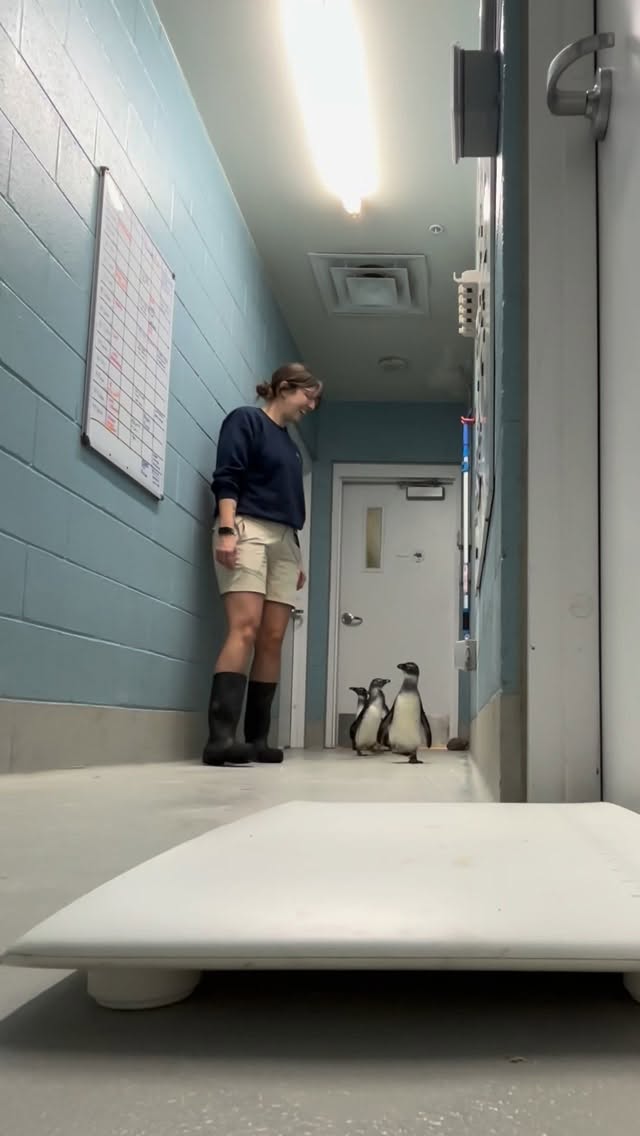
The process of weighing our African penguins involves a carefully structured routine designed to minimize stress for the birds. First, the penguins are habituated to a designated weighing area. This area is free of distractions, making it easy for the penguins to focus on the task at hand. An animal care professional gently guides each penguin onto a specialized scale, designed to accommodate their unique body shape and size.
The scale itself is constructed for safety and comfort. It features a flat surface with space for the penguin to stand naturally. The readings are taken promptly to reduce stress and ensure accurate measurements. As part of this procedure, care staff observe each penguin’s behavior, looking for any signs of stress or discomfort. Quick and efficient weighing sessions contribute to a positive experience for the animals.
One of the significant aspects of this weighing process is the use of voluntary behaviors. The Animal Care Team teaches penguins to hop onto the scale on command, transforming what might otherwise be a stressful experience into a natural part of their routine. Training sessions are conducted with a positive reinforcement strategy, using fish rewards as incentives for the penguins. This method builds a trusting relationship between the staff and the penguins, reinforcing voluntary participation.
Behavioral training not only fosters cooperation but also supports cognitive stimulation. Engaging in new tasks helps to keep the penguins mentally active. Birds that are mentally stimulated tend to exhibit healthier behaviors overall. This relationship between mental engagement and physical health underlines the importance of comprehensive training and enrichment activities in a captive setting.
The mental wellbeing of our penguins extends into their social interactions. Weighing sessions often occur in small groups, allowing for socialization while reducing the stress of isolation. Social animals, like penguins, thrive in environments that promote healthy interaction. In this context, training routines intermingle with natural behaviors, thereby enhancing the entire penguin colony’s quality of life.
These monitoring practices play a crucial role in broader conservation efforts. African penguins are currently classified as endangered due to threats from habitat loss, climate change, and overfishing. By monitoring the health and wellbeing of our penguin colony, we collect vital data that can inform conservation strategies both in zoos and natural habitats. Understanding population dynamics is essential for targeted recovery efforts.
By weighing penguins regularly, the Animal Care Team can also contribute to regional and global databases that track the health of penguin populations. This data becomes instrumental in assessing the effectiveness of conservation laws and initiatives. Each weight measurement is not just a number; it is part of a broader narrative that informs how we can better care for these avian species.
Additionally, public education plays a significant part in these efforts. When visitors witness the weighing process, they gain insight into the daily care of penguins. Educational programs can help cultivate a sense of responsibility for wildlife conservation among the public. By providing guests with an understanding of how we care for our penguins, we hope to inspire future conservationists.
It is also important for observers to appreciate the role ofAfrican penguins in their ecosystems. These birds are vital indicators of marine health and can signal changes in fish populations. Monitoring their weight helps us not just protect the penguins but also understand their habitats better. Changes in their health may reflect broader issues affecting the marine environment.
Voluntary behaviors in African penguins offer an additional layer of enrichment. These behaviors stimulate not only the penguins’ physical health but also their ability to respond to stimuli and interact with their environment. This program allows us to observe how individual penguins adjust to training and routine changes. Each penguin has its own personality, and their responses provide insight into their unique preferences and behaviors.
The significance of weighing African penguins extends well beyond the immediate context of health monitoring. It represents a broader commitment to animal welfare and the conservation of species that face ongoing threats. The relationship between the Animal Care Team and the penguins is foundational to creating an environment conducive to both health and wellbeing.
Finally, it is the dedication of the Animal Care Team that makes this practice successful. They undergo extensive training to understand the habits and needs of the penguins. Caring for such an intricate species requires a deep knowledge of avian biology, psychology, and ecology. These professionals must remain adaptable, continuously honing their skills to meet the evolving challenges of wildlife management.
Through their weekly weighing sessions, they engage in more than just a mechanical activity. They build relationships, gather critical data, and contribute to the conservation of a magnificent species. The act of weighing African penguins transforms the art of animal care into a science that reflects commitment and empathy toward wildlife.
Overall, our efforts to weigh and care for the African penguin colony represent a multifaceted approach to animal management that embodies best practices in conservation and animal welfare. These penguins depend on our support, and through significant efforts in weighing, training, and public education, we strive to ensure a brighter future for them both in captivity and in their natural habitats.
*****
Source Description
Our Animal Care Team weighs our African Penguin colony, of over 30 penguins, weekly! Curious how they do it? Take a look at some of the penguins who have just started learning to be weighed on the scale! This is one of the many voluntary behaviors that we teach our penguins to help support their overall wellbeing and healthcare! 🐧
