
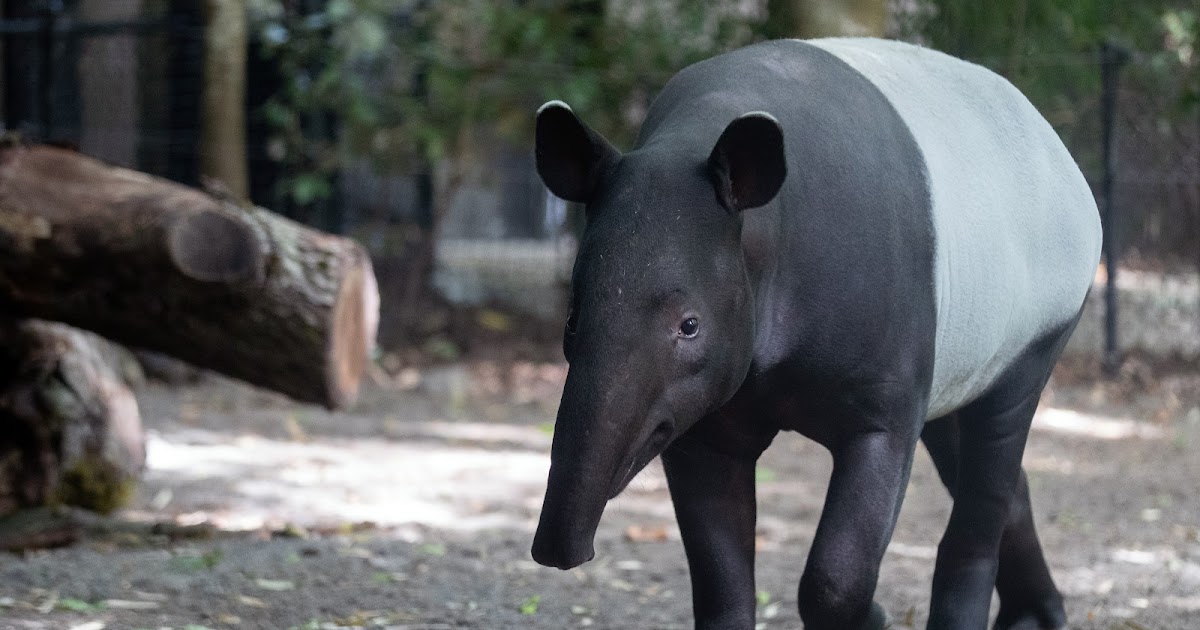
Summary of A new tapir has joined Woodland Park Zoo’s family—meet Binti!:
Summary:
Woodland Park Zoo has welcomed a new female Malayan tapir named Binti, which means "daughter of" in Malay. Binti, nearly 2 years old, arrived from Ellen Trout Zoo in Texas as part of a Species Survival Plan aimed at enhancing the genetic diversity of tapirs. She will soon be paired with a male tapir.
Binti is known for her friendly demeanor and excitement during mealtimes, particularly enjoying willow browse. The zoo recently upgraded her habitat, including improved flooring and heating systems to enhance the animals’ comfort and visitor experience. Tapirs are ancient species, closely related to horses and rhinos, and are currently endangered due to habitat loss.
Visitors are encouraged to explore the zoo, as Binti may not always be visible. The zoo is also involved in conservation efforts to protect tapir habitats in Southeast Asia through partnerships that address deforestation issues.
- Binti, the new Malayan tapir at Woodland Park Zoo, represents an important addition to global conservation efforts.
- The tapir habitat at Woodland Park Zoo has undergone significant renovations to enhance animal welfare and visitor experience.
- Tapirs are an ancient species, and their conservation is critical due to their endangered status and habitat loss.
- Woodland Park Zoo engages in conservation projects aimed at protecting tapirs and their habitats in the wild.
- Understanding tapir biology and behavior can help foster appreciation for these remarkable creatures.
Introducing Binti, the new female Malayan tapir at Woodland Park Zoo, represents a significant step forward for the zoo and an important addition to global conservation efforts. Binti, whose name means “daughter of” in Malay, arrived from Ellen Trout Zoo in Texas. She will celebrate her second birthday in July. This addition follows the departure of the zoo’s previous tapirs, who were relocated as part of a breeding program designed to maintain healthy and diverse populations of Malayan tapirs. These initiatives are part of the Malayan Tapir Species Survival Plan, which involves collaboration among accredited zoos to promote genetic health and species survival.
Binti’s arrival coincides with renewed renovations to her habitat, the Trail of Vines. This area is not just an exhibit but a carefully curated space designed to enhance the welfare of animals while providing an enriching experience for visitors. Specific repairs and improvements were made to reduce slip hazards and improve temperature control, showcasing the zoo’s commitment to animal well-being. A heat pump was installed to replace the older electric heating system, resulting in both enhanced comfort for Binti and energy savings for the zoo.
Given that tapirs are highly susceptible to foot problems, the choice to replace the concrete floors with softer mulch serves an essential purpose. The previous surfaced flooring provided insufficient cushioning, leading to potential health issues for the animals. By incorporating a sand-soil mixture for the yard surface, zoo management has created a more forgiving environment that helps distribute weight more evenly and supports overall foot health for tapirs.
Tapirs are an ancient lineage of mammals that have changed little over millions of years. With stout bodies, elongated snouts, and a visual resemblance to a large pig, they are distinctive. Their closest living relatives are not other large mammals but rather horses and rhinoceroses. As primitive mammals, tapirs fill a unique ecological niche in their environments, relying on their short, prehensile noses to feed on a diet of leaves and fruit. One fascinating aspect of tapir behavior is their excellent swimming ability, often using their elongated snouts as snorkels to navigate through water bodies.
The endangered status of the Malayan tapir demands urgent attention. This species, which inhabits regions in Thailand, Malaysia, and Myanmar, faces significant threats from habitat loss due to deforestation and industrial agriculture. Current estimates indicate that fewer than 2,500 Malayan tapirs remain in the wild. Conservation projects initiated by Woodland Park Zoo focus on protecting their natural habitats. By supporting efforts to conserve land for compelling species such as tigers and orangutans, the zoo simultaneously aids in the protection of tapir habitats.
Awareness and education play vital roles in tapir conservation efforts. Binti and her future male companion will serve as ambassadors for their species, helping to inform visitors about the unique adaptations and ecological importance of tapirs. As tapirs inhabit the understory of tropical forests, their role as herbivores aids in seed dispersal and plant growth. Educating the public about tapir behavior and ecology can help engender appreciation for these creatures and motivate action toward their conservation.
The renovations to Binti’s habitat enhance not only her living conditions but also the visitor experience. The zoo implemented features such as heating coils embedded in concrete pads at viewpoints to allow for closer interactions between visitors and animals. Such observatory enhancements contribute to a more engaging experience in which visitors can appreciate the nuances of tapir life.
Although Binti may not always be visible as she acclimates to her environment, the educational aspects surrounding her care can deepen public interest. By encouraging visitors to explore other areas of the zoo and circle back to the tapir habitat, the zoo aims to spark curiosity and foster learning. Each visit should encourage attendees to look for opportunities to observe Binti as she adjusts to her new surroundings and interacts with her keepers.
The future holds promise for both Binti and her species. With the thoughtful combination of habitat enhancements, educational opportunities, and involvement in significant conservation initiatives, the Woodland Park Zoo has positioned itself as a leader in tapir preservation. Such efforts not only reflect a commitment to animal welfare but also emphasize the responsibility of modern zoos in the arena of wildlife conservation.
Promoting sustainable practices is essential. Visitors can contribute positively by making informed choices that consider the impacts of consumer goods on habitats. By purchasing sustainably sourced products, such as certified sustainable palm oil and Forest Stewardship Council (FSC) certified paper and wood products, individuals can directly influence the preservation efforts needed to safeguard tapirs and their dwindling habitats.
The plight of the Malayan tapir emphasizes the need for vigilance and action in wildlife conservation. Initiatives led by institutions like Woodland Park Zoo will play a crucial role in curtailing the threats posed by habitat destruction while raising awareness about the importance of preserving biodiversity. Through actions like these, awareness and appreciation of tapirs will continue to grow, supporting efforts to secure a future for these remarkable mammals.
Binti represents more than just a new face at Woodland Park Zoo; she embodies the hope of a future where tapirs and other endangered species can thrive. Through continued education, habitat protection, and community involvement, we can contribute to a world that values and protects its wildlife, ensuring that species like the Malayan tapir are not just remembered, but celebrated. The opportunity to witness Binti in her newly renovated home provides an invaluable chance for visitors to connect with wildlife and understand the importance of every effort taken to preserve it.
