
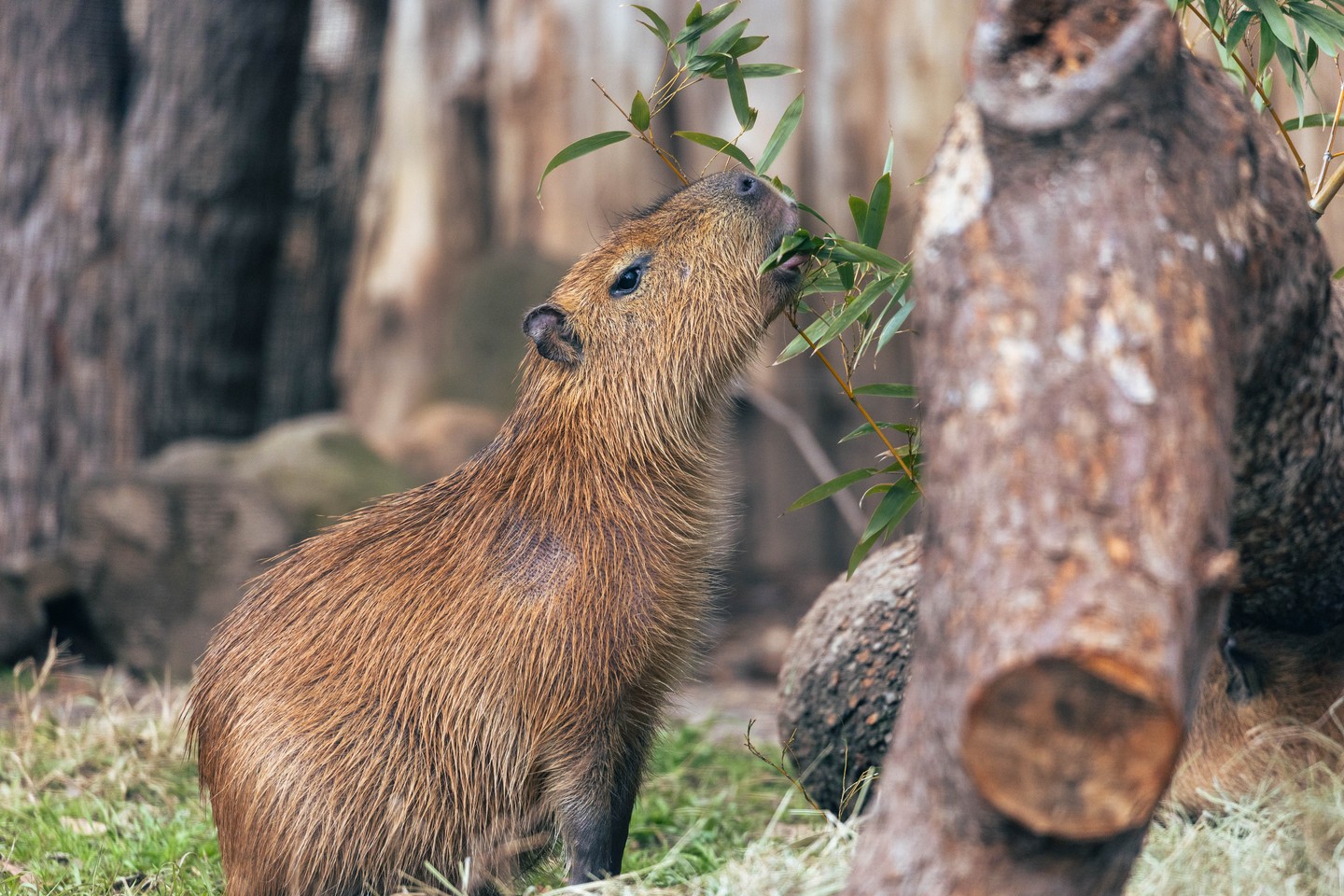
- Understanding Capybara Behavior and Social Structure
- Importance of Capybaras in Ecosystems
- The Role of Zoos in Wildlife Conservation
- Care and Management of Capybaras in Captivity
- Engaging the Public in Animal Welfare and Conservation
Capybaras, the largest rodents in the world, have recently made their debut at ZooNorth, and the excitement is palpable. These charming creatures, known for their friendly demeanor and social nature, are more than just delightful animals to observe; they play vital roles in their ecosystems and present significant opportunities for education in wildlife conservation. This article will explore the intricacies of capybara behavior, their environmental contributions, the role of modern zoos, effective management practices, and the importance of public engagement in conservation efforts.
Understanding Capybara Behavior and Social Structure
Capybaras are social animals that thrive in groups. Typically, they live in herds ranging from 10 to 20 individuals. This social structure offers them security against predators and minimizes stress through companionship. Within these groups, there is a clear hierarchy, often dictated by size and age. The dominant male usually leads the herd and has priority access to food, water, and mating opportunities.
Their behavior is largely influenced by their environment, which includes regions of dense vegetation near water bodies. Capybaras are semi-aquatic; they are excellent swimmers and spend a substantial amount of their time in water. Their ability to submerge themselves helps them escape from predators like jaguars and caimans. Communication within capybara groups is frequent, consisting of a range of sounds such as barks, whistles, and clicks, each serving different purposes in social interactions.
Understanding capybara behavior is essential for their welfare in captivity. Observing these animals in their new habitat at ZooNorth offers visitors a unique opportunity to witness their social dynamics firsthand. Reducing stress in captive environments requires replicating their natural social conditions as closely as possible. This insight aids zookeepers in ensuring the well-being of the capybaras in their care.
Importance of Capybaras in Ecosystems
Capybaras play a critical role in their ecosystems, particularly in South America, where they are native. As grazers, they help maintain the balance of vegetation near water sources. They consume grasses, aquatic plants, and other vegetation, which helps control plant overgrowth and facilitates a healthier ecosystem. Their feeding habits contribute to the indirect support of various species, either through seed dispersal or by creating habitats for smaller wildlife.
Another essential function of capybaras in their environments is their status as prey. They serve as a food source for numerous predators, including large cats and birds of prey. This predator-prey dynamic is crucial for maintaining the biodiversity of their habitats, highlighting the interconnectedness of all species within an ecosystem.
Capybaras also contribute to nutrient cycling. Their droppings enrich the soil and promote plant growth, which in turn sustains various animal species. Maintaining healthy populations of capybaras in the wild is essential not only for their survival but also for the overall health of their ecosystems. Their presence signifies a vibrant, functioning habitat—a vital sign for conservationists monitoring environmental health.
The Role of Zoos in Wildlife Conservation
Modern zoos have evolved beyond mere entertainment facilities; they play pivotal roles in wildlife conservation, education, and research. The introduction of capybaras at ZooNorth signifies a commitment to these facets of zoo management. In addition to exhibiting these animals, zoos often engage in breeding programs designed to maintain genetic diversity and promote the species’ long-term viability.
By showcasing capybaras, ZooNorth aims to raise awareness about the challenges faced by these animals in the wild, including habitat loss and hunting. Educational programs often accompany such exhibits, offering visitors insights into the importance of preserving not only capybaras but also their natural habitats. Informative signage, guided tours, and interactive demonstrations help ignite a passion for conservation among zoo-goers, especially children.
Field studies and research partnerships with conservation organizations are also essential functions of modern zoos. By investigating capybara behavior, genetics, and health in captivity, zoos gather crucial data that can inform conservation strategies. These efforts align with global initiatives aimed at preserving wildlife and maintaining biodiversity across ecosystems.
Care and Management of Capybaras in Captivity
Managing capybaras in a zoo environment involves replicating their natural habitat as closely as possible. ZooNorth has invested in a habitat designed to include ample greenery, water features, and shaded areas for the capybaras to thrive. Providing an enriching environment helps reduce stress and encourages natural behaviors.
Capybaras have specific dietary needs that must be met in captivity. Their diet primarily comprises grasses, hay, and leafy greens. Ensuring that they receive the right nutritional balance is crucial for their overall health. Zookeepers must also monitor their interactions within their social groups to manage any potential conflicts that may arise due to hierarchy or stress.
Health monitoring is essential for capybaras, and regular veterinary care helps address any issues related to living in captivity. Zookeepers are trained to identify signs of illness and address them quickly to ensure the well-being of the animals. It is crucial to balance their care with community interactions to ensure they remain healthy and engaged.
The introduction of educational programs further enhances the management of capybaras at ZooNorth. Visitors can participate in feeding sessions and animal encounters, fostering a connection with these remarkable creatures. Such initiatives enrich the visitor experience, create empathy, and promote a deeper understanding of wildlife conservation.
Engaging the Public in Animal Welfare and Conservation
One of the most significant responsibilities of modern zoos is to engage the public actively in animal welfare and conservation efforts. ZooNorth’s “Don’t worry, be capy!” initiative is reflective of this mission. Through interactive experiences, educational workshops, and social media campaigns, the zoo seeks to foster a sense of community dedicated to the well-being of capybaras and wildlife in general.
Educational outreach programs focusing on the capybaras allow individuals of all ages to understand their importance in ecosystems, the challenges they face, and how collective action can make a difference. School groups are encouraged to visit, providing hands-on learning experiences designed to inspire future conservationists.
Social media platforms serve as effective communication tools to share stories and updates about the capybaras. Through posts, photos, and videos, ZooNorth can maintain a sense of connection with visitors even from afar. Engaging content that highlights the capybaras’ interactions and daily life can significantly raise awareness about their conservation and encourage community involvement.
Moreover, promoting responsible behavior towards wildlife, including supporting habitat conservation initiatives, can galvanize community action. The zoo can also collaborate with other organizations to host events focused on animal welfare and environmental stewardship, creating opportunities for the public to contribute positively to conservation efforts.
The arrival of capybara siblings at ZooNorth is more than just an exciting new exhibit; it symbolizes an opportunity for education, engagement, and a commitment to conservation. Understanding their behavior, the ecological contributions they make, and the role of zoos in safeguarding their future fosters appreciation for these animals. Through hands-on experiences and public involvement, we can enhance awareness about wildlife conservation and inspire action to protect species at risk. By embracing the mantra “Don’t worry, be capy!”, both the zoo and its visitors can contribute to a brighter future for capybaras and their habitats.
*****
Source Description
Don’t worry, be capy!
In case you missed it, we just welcomed these capybara siblings to the Zoo! Come say hi to them in their habitat at ZooNorth.
