
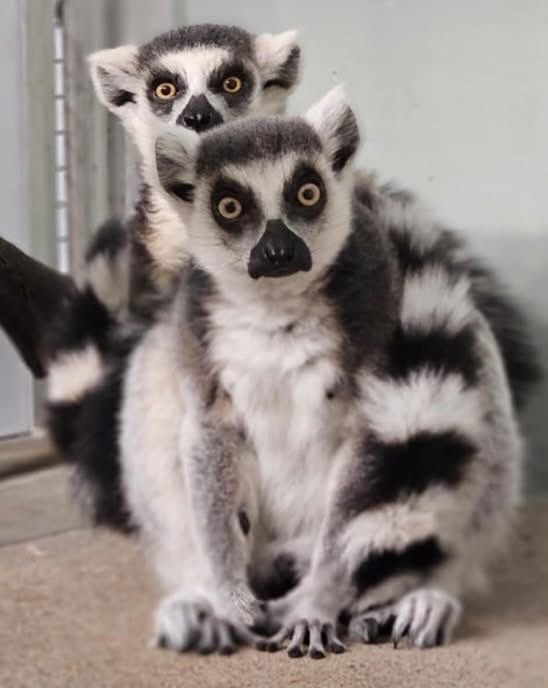
- Introduction to Ombe and Wicket, the new lemurs at Como Zoo
- Understanding the significance of the Species Survival Program (SSP)
- Exploring the communication methods of ring-tailed lemurs
- The acclimatization process of new animals in zoos
- The importance of conservation and public engagement in zoological settings
Como Zoo recently welcomed two exciting residents: Ombe and Wicket, a pair of ring-tailed lemurs. Ombe, a 13-year-old male, and Wicket, a 7-year-old female, come from the Milwaukee County Zoo and arrived in June. Like any newcomers, they underwent a quarantine period to ensure they were healthy and ready to join their new environment. Now that this phase is complete, Ombe and Wicket are getting acquainted with their indoor lemur habitat, freely exploring as they adjust to their new surroundings.
This article not only highlights these two captivating animals but also dives deeper into the critical themes surrounding their arrival, including the Species Survival Program, animal communication, the acclimatization process in zoos, and the broader implications of wildlife conservation.
Ombe and Wicket’s inclusion in the Como Zoo family is a significant event for visitors and a reminder of the ongoing conservation efforts taking place worldwide. Ring-tailed lemurs have become an iconic symbol, largely due to their unique looks and social behavior. As members of the Lemuridae family, they are native to Madagascar, an island that is home to various species found nowhere else on Earth. This geographic specificity underscores the importance of careful management and conservation strategies for these animals.
The Species Survival Program (SSP) plays a pivotal role in protecting ring-tailed lemurs like Ombe and Wicket. This program is a cooperative breeding initiative among accredited zoos aimed at maintaining genetic diversity within captive populations. Unlike wild populations, which face a multitude of threats—habitat destruction, poaching, and climate change—captive populations require careful management to avoid inbreeding and health issues. SSPs allow zoos to strategically manage breeding between different facilities, ensuring that populations remain robust and genetically varied. Such efforts significantly contribute to the long-term survival of species that are threatened in the wild.
Communication is another vital aspect to highlight, especially concerning ring-tailed lemurs. They are among the most vocal primates, utilizing at least 28 different calls to communicate. Their vocalization range includes friendly chatter, alarm calls, and a rich array of sounds that signal various emotions. Ombe and Wicket, when fully settled, will likely exhibit these behaviors in their indoor habitat. For instance, alarm calls alert the troop to potential danger, while more relaxed calls facilitate social bonding within their small family groups.
The acclimatization process is a carefully structured sequence that helps new animals adjust to their surroundings. Ombe and Wicket are currently exploring at their own pace, showcasing behaviors that indicate their comfort levels. During this transition, they will be gradually introduced to the other lemurs, particularly the blue-eyed black lemurs already residing at Como Zoo. This slow integration is essential for minimizing stress and ensuring that both newcomers and existing residents adapt harmoniously. The handlers observe closely, taking note of interactions and behaviors that can provide insights into how best to facilitate these introductions.
Public engagement is a crucial factor in the conservation and management of species like ring-tailed lemurs. Como Zoo, like many others, serves as an educational platform, raising awareness concerning wildlife conservation. By introducing animals such as Ombe and Wicket to the public, zoos offer visitors the opportunity to learn about the challenges these species face in the wild and the importance of preservation efforts. Interactive educational programs can become personal experiences for visitors, inspiring them to take actionable steps towards conservation, whether through supporting local initiatives or spreading awareness within their communities.
In addition to these efforts, zoos emphasize the importance of maintaining enriched environments for their animals. Ring-tailed lemurs are social animals that thrive on interaction with their troop members, both for bonding and stimulation. The indoor habitat at Como Zoo is designed to mimic their natural environment as closely as possible, incorporating climbing structures, hiding spots, and enrichment activities. These elements are not merely for show; they are fundamentally designed to promote natural behaviors and well-being.
The habitat design and management reflect broader trends in zoological practices. Increasingly, zoos are adopting more immersive and enriched environments for their animals. This shift recognizes the importance of mental and physical stimulation, particularly for intelligent and socially complex species like lemurs. Ombe and Wicket’s well-being will be a top priority, ensuring they have the opportunity to thrive in their new home.
For visitors to Como Zoo, observing Ombe and Wicket gives a glimpse into the intricate lives of these incredible creatures. Beyond mere entertainment, the experience fosters a deeper understanding of the importance of ethical wildlife conservation. Programs like the SSP not only help maintain the genetic health of species in captivity but also serve as a genetic reservoir should the need arise for reintroduction into the wild.
As representatives of their species, Ombe and Wicket underscore the complexities facing all lemurs today. Habitat destruction, primarily due to human activities like logging and agriculture, has drastically reduced their natural habitats. According to the International Union for Conservation of Nature (IUCN), many lemur species are critically endangered and face the threat of extinction. Engaging the public through educational initiatives can significantly impact perceptions and inspire collective action for conservation.
Additionally, the involvement of organizations such as the Madagascar Fauna and Flora Group highlights international collaboration for wildlife conservation. These partnerships extend far beyond the walls of zoos, enabling scientists and conservationists to work hand-in-hand in preserving the natural habitats of ring-tailed lemurs and many other endemic species. Initiatives focusing on sustainable practices and community-based conservation are essential for long-term solutions.
Visitors making a trip to Como Zoo can make a real difference by supporting conservation programs, participating in educational programs, and engaging with the content presented at the zoo. This connection fosters a sense of community and responsibility regarding wildlife protection, extending beyond a single visit. Each conversation started and each action taken can contribute to broader efforts aimed at preserving our planet’s biodiversity.
As Ombe and Wicket continue to adjust to their exciting new home, they represent the intersection of animal care, scientific management, and public engagement. Their story is not just one about animals in a zoo; it’s about a global commitment to conservation and the ongoing efforts to protect vulnerable species. By learning about these animals, we can all find ways to contribute to a more sustainable future for wildlife and their habitats.
Seeing Ombe and Wicket explore their indoor habitat provides an invaluable opportunity—not just to appreciate these remarkable animals, but to better understand the critical work involved in wildlife conservation. As they settle into their new home at Como Zoo, their presence serves as a powerful reminder of the role that zoos play in educating the public and facilitating meaningful conservation efforts. Compelling and informative experiences await visitors, ensuring that the stories of these remarkable lemurs resonate well beyond their new habitat.
*****
Source Description
🐾 Please join us in welcoming two new residents to Como Zoo!
Meet Ombe (short for Ombelahy), a 13-year-old male, and Wicket, a 7-year-old female ring-tailed lemur who recently arrived from the @milwaukeecozoo in June.
After completing their quarantine, Ombe and Wicket are now exploring our indoor lemur habitat at their own pace. In the coming months, they’ll be gradually introduced to our pair of blue-eyed black lemurs once they’re comfortable with shifting on and off habitat and with their new surroundings.
Ring-tailed lemurs are part of the Species Survival Program (SSP), which helps ensure healthy, genetically diverse populations in zoos. They’re also among the most vocal primates—using at least 28 different calls to communicate with their troop, from friendly chatter to alarm calls that warn of potential danger.
Stop by the indoor habitat to see if you can spot Ombe and Wicket settling into their new Como home—we’re so excited to have them here! 💛
