
- The significance of the Przewalski’s horse in conservation efforts.
- Background on the Przewalski’s horse and its history.
- The role of zoos and conservation parks in species recovery.
- Details about the new foal and its immediate family dynamics.
- How the public can engage with and support these conservation efforts.
The Przewalski’s horse, an iconic symbol of conservation success, plays a crucial role in global biodiversity initiatives. As one of the last wild horse species remaining in existence, its survival provides insight into broader ecological challenges. The recent birth of a female foal at the Safari Park signifies hope for an endangered species that was once extinct in the wild. This birth is not just about expanding the herd; it’s a pivotal moment in conservation history.
Native to the steppes of Central Asia, Przewalski’s horse has a complicated past marked by population decline due to human activities such as habitat loss, hunting, and competition with domestic livestock. These horses are unique due to their physical characteristics, including stocky builds and a distinctive mane that stands upright. Unlike domesticated horses, they have 66 chromosomes, whereas domestic horses have 64. This chromosomal difference illustrates the evolutionary divergence over thousands of years. The species was officially declared extinct in the wild in the 1960s but has been reintroduced to its native habitats, showcasing effective conservation strategies.
Zoos and conservation parks play a pivotal role in these efforts. They act as genetic reservoirs, maintaining healthy populations of Przewalski’s horses for reintroduction into the wild. In the case of the Safari Park, staff diligently manage breeding programs to maintain genetic diversity, counteract inbreeding, and bolster wild populations. This focus on genetic health ensures that future generations of these magnificent horses can thrive in their natural habitats.
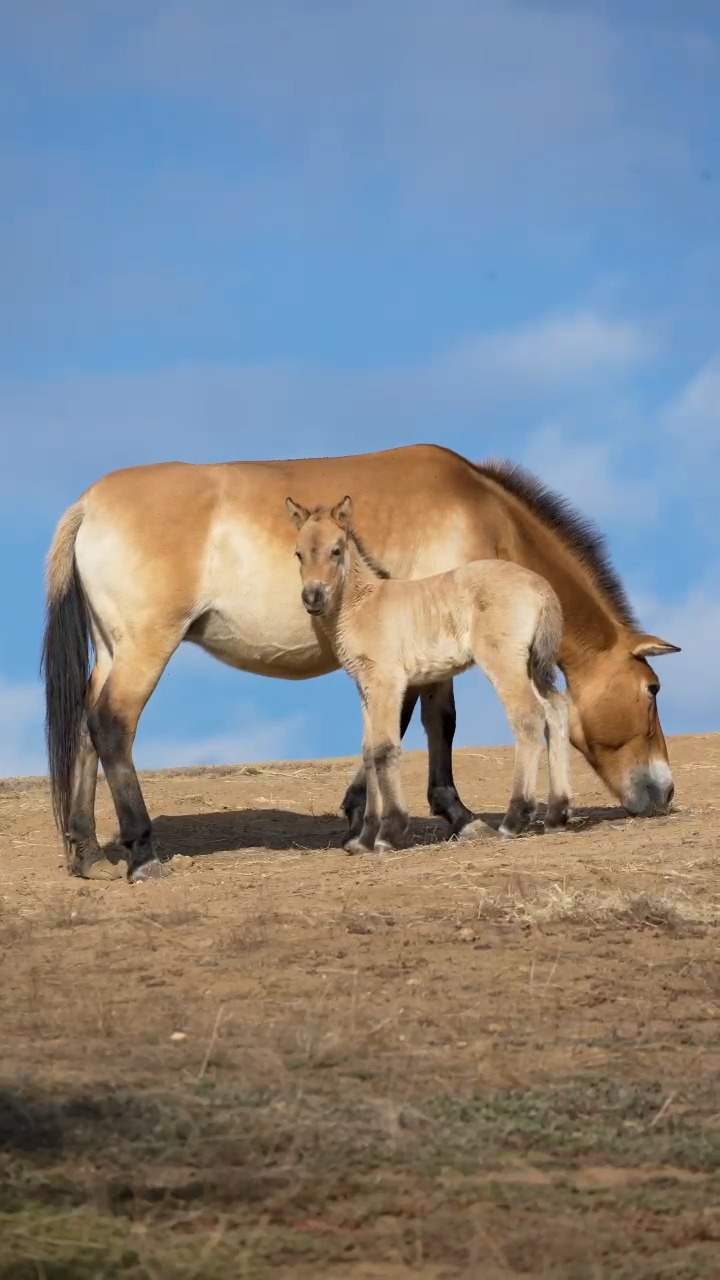
The new foal, born on September 30 to parents Nikki and Ziggy, carries immense significance. Such births are not mere numbers; they are essential for increasing the genetic diversity of the population. As the first Przewalski’s horse born at the Park since 2023, this foal serves as a reminder of the ongoing efforts to revive and sustain the species. Researchers note that foals experience rapid development, and during the early weeks, they rely heavily on their mothers. The bonding process between mother and young is critical and lays the groundwork for the foal’s social behavior within the herd.
The dynamics of family structure in Przewalski’s horses are fascinating. The social structure typically features a dominant stallion, a harem of mares, and their offspring. Young males often leave their natal group upon reaching maturity. In contrast, females tend to stay with their family units longer. These social patterns help establish stability within herds and enhance survival rates.
Visitors to the Safari Park may be fortunate enough to glimpse the new foal during special safari events. Sightings provide educational opportunities for the public, emphasizing the importance of conservation. Engaging with these animals fosters an appreciation for wildlife and the challenges they face. Educational programs highlight the direct impact of habitat conservation and the role individuals can play in preserving endangered species.
The general public can support these conservation efforts in multiple ways. Donations to wildlife conservations, attending educational programs, or simply learning more about wildlife can contribute significantly. Every small action adds up when it comes to preservation efforts. By raising awareness about species like the Przewalski’s horse, everyone can become an advocate for conservation.
Moreover, the online community plays a vital role in promoting conservation messages. Social media platforms offer opportunities for zoos and parks to share updates, educational materials, and encourage dialogue. The introduction of the new foal could spark a broader conversation about the challenges faced by the Przewalski’s horse and the ongoing commitment needed to safeguard its future.
The story of Przewalski’s horse is one of resilience and determination. From the brink of extinction to reintroduction in their natural habitats, their journey underscores the critical need for conservation initiatives. The lives of these vibrant horses exemplify how dedicated management and public engagement can indeed turn the tide for endangered species.
In conclusion, the prevalence of species like the Przewalski’s horse in modern ecosystems highlights the importance of biodiversity. Each individual horse contributes to the resilience of its species and ecosystem. The birth of the new female foal at the Safari Park is a significant milestone in the ongoing battle against extinction. It stands as a testament to the collaborative efforts between wildlife professionals and the public in fostering a world where wildlife can thrive. By supporting conservation initiatives, we embrace our role in ensuring a future where animals like the Przewalski’s horse can flourish in their natural environments.
*****
Source Description
Feeling a little filly 🐴
The Safari Park teams welcomed a precious female Przewalski’s horse on September 30, born to mom Nikki and dad Ziggy. This lively foal is the first Przewalski’s horse born at the Park since 2023, and plays an essential role in supporting global populations of this endangered species, which were once declared extinct in their native habitats.
While mama, baby, and the rest of the herd bond, guests may be able to sneak a peek of this little lady during special safaris at the Park.
