
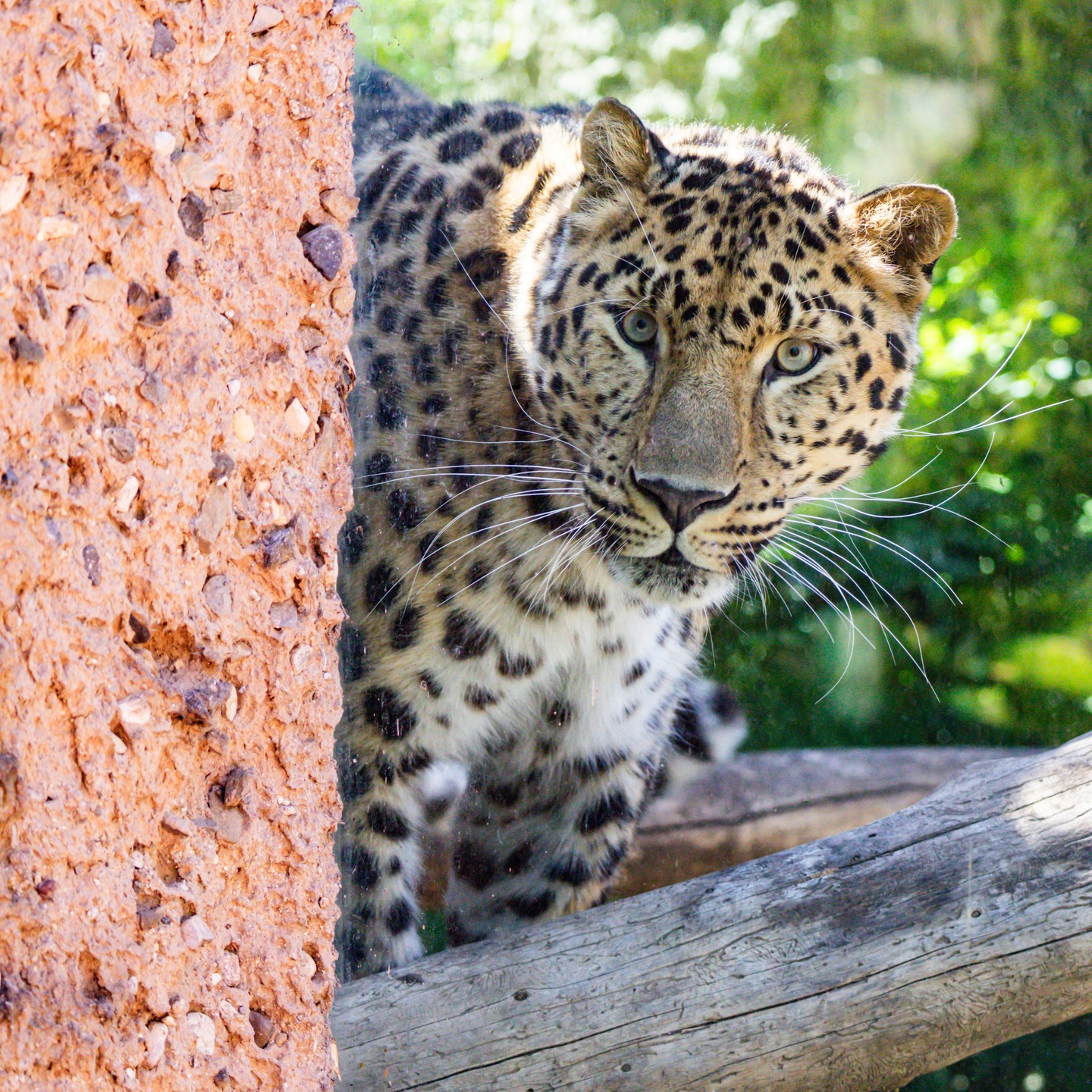
- Introduction to Tamur the Amur Leopard and his Journey to Santa Barbara
- The Importance of the Species Survival Plan for Amur Leopards
- Understanding the Critical Endangerment of Amur Leopards
- The Role of Zoos in Wildlife Conservation and Public Education
- Ways to Support Amur Leopards and Become Involved in Conservation Efforts
Tamur the Amur Leopard and His Journey to Santa Barbara
Tamur, an Amur leopard who spent his early years at the San Diego Zoo, is now delighting visitors at the Santa Barbara Zoo. Born in April 2020, Tamur is a vibrant five-year-old who was named by his sponsors, Marta Holsman Babson and Henrietta Holsman Fore. His relocation to Santa Barbara forms part of a broader initiative to promote genetic diversity within captive populations. This move was carefully advised by the Species Survival Plan, ensuring the continuation of this rare and magnificent species.
The Amur Leopard (Panthera pardus orientalis) is well-known for its remarkable beauty and agility. It is also critically endangered, and Tamur’s presence offers a rare opportunity for zoo visitors to experience direct interaction with one of the world’s most elusive felines. While Tamur is still settling into his new surroundings, his adaptation progress can provide valuable insights into behavioral ecology and animal husbandry.
The Importance of the Species Survival Plan for Amur Leopards
The Species Survival Plan (SSP) is a program developed to manage endangered species populations in captivity. For the Amur leopard, genetic variability is a primary concern due to their sparse numbers in the wild. By coordinating placement and breeding programs among accredited zoos, the SSP aims to prevent loss of genetic diversity. Tamur’s relocation to Santa Barbara represents a strategic decision to foster healthy and sustainable populations outside their native habitats in northeastern China and Russia.
Zoo professionals utilize detailed genetic analyses and demographic modeling to make informed decisions about breeding pairs. Each move or planned reproduction is geared towards stabilizing the exposed future of these remarkable cats. The SSP’s collaborative framework is critical for the global conservation strategy of Amur leopards.
Understanding the Critical Endangerment of Amur Leopards
The Amur leopard is facing perilous survival challenges, making it the most endangered big cat species. Current estimates suggest that fewer than 100 individuals exist in the wild, primarily due to habitat destruction, poaching, and prey scarcity. This alarming status extends urgency to conservation initiatives, as every individual can significantly impact the species’ survival prospects.
Protecting the Amur leopard involves comprehensive efforts, including anti-poaching measures and habitat restoration. Conservationists also work closely with local communities to foster coexistence and mitigate human-wildlife conflicts. The protection of primary prey species, such as roe deer and sika deer, also plays a critical role in preserving the ecological balance necessary for leopards.
The Role of Zoos in Wildlife Conservation and Public Education
Zoos play a pivotal role in wildlife conservation and offer essential public education. By bringing species like the Amur leopard into proximity with the public, zoos cultivate appreciation and understanding of biodiversity. Santa Barbara Zoo’s choice to home Tamur provides a platform to inform visitors about the ongoing challenges faced by endangered species and inspire action towards conservation.
In addition to showcasing wildlife, modern zoos contribute significantly to research and veterinary care. By studying animals in controlled environments, researchers gain insights into behavior, health, and genetics that are applicable to conservation efforts in the wild. The expertise amassed over years contributes to community-based conservation programs and informs international policy making.
Ways to Support Amur Leopards and Become Involved in Conservation Efforts
Supporting Amur leopards and other endangered species can be achieved through various means. Becoming a Foster Feeder at Santa Barbara Zoo is one way to directly contribute. These donations help provide high-quality care and ensure that animals like Tamur lead healthy, enriched lives.
Conservation-minded individuals can also support global organizations focused on protecting wild habitats and implementing anti-poaching programs. Spreading awareness, advocating for sustainable practices, and engaging in citizen science projects can further enhance conservation outcomes. Each action, big or small, contributes to the larger effort of preserving biodiversity for future generations.
The presence of Tamur at Santa Barbara offers a tangible reminder of the fragility and resilience of life. By engaging with this iconic species, people can find motivation to support conservation initiatives that aim to secure an enduring future for the Amur leopard and countless other species confronting similar threats.
*****
Source Description
We are so happy to welcome Tamur the Amur leopard to Santa Barbara! 🐆👋😻
Tamur is five years old and was born in April of 2020 at the San Diego Zoo. He was named by his Premier Foster Feeder sponsors, Marta Holsman Babson and Henrietta Holsman Fore.
The move to our Zoo was based on a recommendation by the Species Survival Plan, the cooperative program for maintaining genetically diverse and stable populations of animals in human care. The Amur leopard is the most endangered big cat on the planet, and ensuring their survival is vital to the world population of these animals.
By getting the unique opportunity to see this extremely rare species up close, guests can make a connection to the leopard and in turn, be inspired to take actions that will save the planet.
Tamur (tuh-MOOR) is still getting used to his new surroundings, so he may not always be visible but be sure and stop by on your next visit to say hello.
Thanks to Santa Barbara Zoo Members and Foster Feeders, we are able to contribute to saving species like the Amur leopard and provide excellent animal care to all the animals at the Zoo. You can support Tamur by becoming a Foster Feeder today!
Alt-text: Tamur the Amur leopard peeks around a wall and through his habitat’s observation window glass as his long whiskers catch the Santa Barbara sunshine.
