
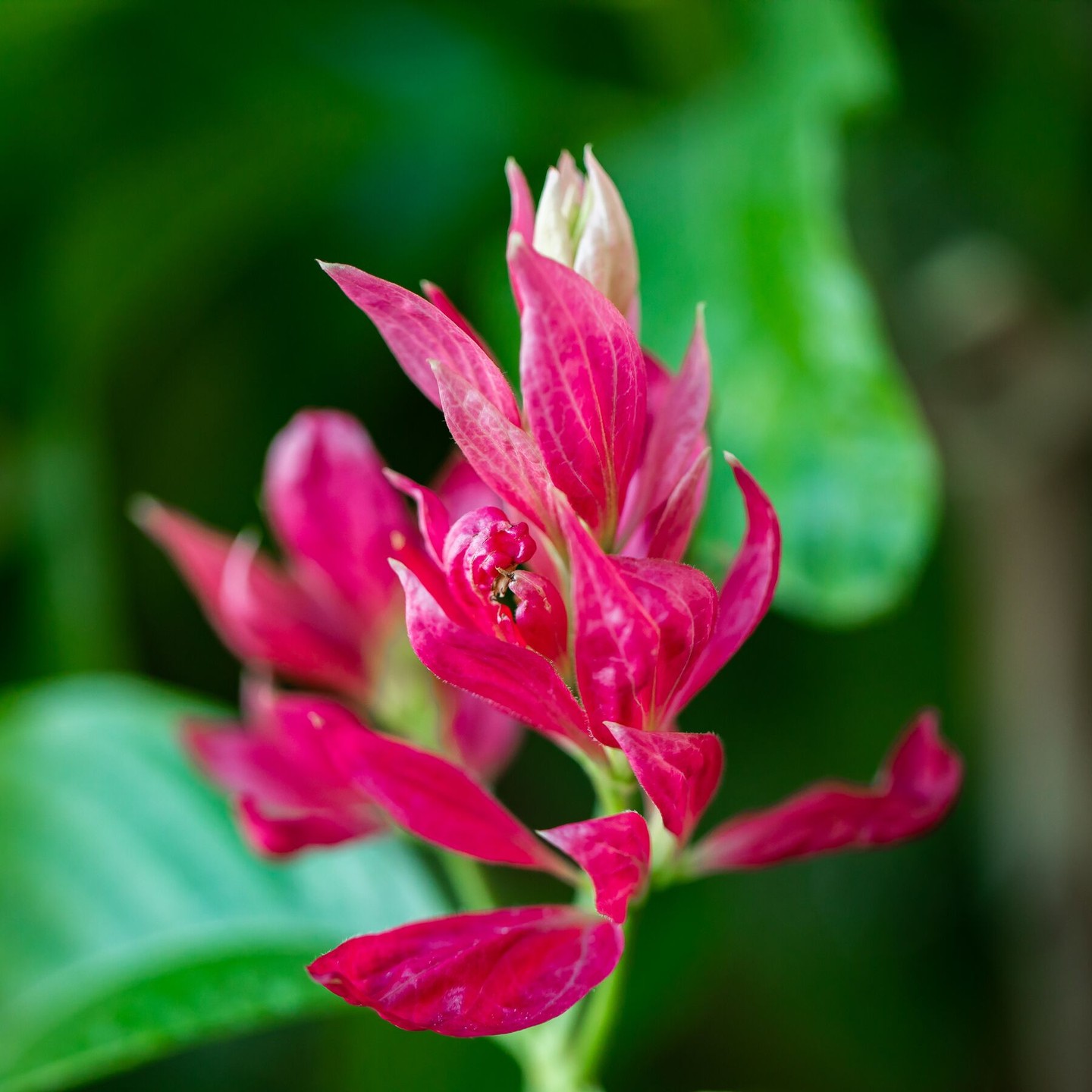
- Narwhals, platypuses, and Brazilian red cloaks: All are the only representatives of their respective genera.
- The biological and ecological significance of each species.
- The challenges these species face in their natural habitats.
- Conservation efforts aimed at protecting these unique organisms.
- The role of zoo management and horticulture in education and conservation.
Narwhals, platypuses, and Brazilian red cloaks are remarkable because they each represent the only species in their respective genera. This distinction sets them apart in both the animal and plant kingdoms, making them fascinating subjects for study and conservation. Understanding the key characteristics, ecological roles, and conservation needs of these organisms is vital in the quest for environmental stewardship.
The narwhal (Monodon monoceros) is an Arctic whale known for its long, spiral tusk, which can grow up to ten feet in length. This tusk is actually an elongated tooth and serves multiple purposes, including social signaling and possibly even navigation in turbid waters. Narwhals primarily inhabit the cold waters of the Arctic and are often found in areas with sea ice. They are superbly adapted to their environment, with thick blubber and a streamlined body that enable them to dive deep into the freezing ocean. The species relies heavily on sea ice for resting, breeding, and as a hunting ground for fish and squid.
While narwhals are well-adapted to their Arctic habitat, they face numerous challenges. Climate change is a significant threat, as melting ice alters their habitat and affects their prey availability. Increased shipping traffic and oil exploration in the Arctic also pose risks, potentially resulting in noise pollution and oil spills that could devastate local ecosystems. Conservation efforts for narwhals focus on monitoring populations and protecting critical habitats from human exploitation.
The platypus (Ornithorhynchus anatinus) is another extraordinary species that stands alone in its genus. This Australian mammal is often noted for its iconic appearance, with a duck-bill, webbed feet, and the ability to lay eggs. The platypus is a monotreme, a unique group of egg-laying mammals, which makes it an essential subject of evolutionary study. Platypuses inhabit freshwater environments where they forage for insects, crustaceans, and small fish using electrolocation, a technique that allows them to detect the electrical signals produced by their prey.
Though well-adapted to their habitat, platypuses are currently facing significant threats. Habitat destruction, caused by agricultural expansion, urban development, and climate change, negatively impacts their populations. Water pollution, particularly from chemicals and plastics, further jeopardizes their food sources and overall health. Conservation efforts concentrated on habitat restoration and public education are crucial for this unique species, ensuring that their populations are preserved for future generations.
The Brazilian red cloak (Pseuderanthemum carruthersii) is a flowering plant that showcases vibrant red and green foliage. This shrub stands alone in its genus and is often used for ornamental purposes in tropical and subtropical landscapes. Rapid growth and adaptability to different environments make it appealing for horticulturists. Although its aesthetic appeal is notable, understanding its biological and ecological context is equally important.
As an ornamental plant, the Brazilian red cloak emphasizes the importance of effective horticulture in conservation settings. This species thrives in well-draining soil with adequate moisture, and its bright colors can attract various pollinators. However, it also requires proper care and attention to thrive when grown in exhibits or botanical gardens. Zoo management teams and horticulturists must consider factors such as soil composition, light exposure, and regular watering to ensure the plant remains healthy.
The Brazilian red cloak faces challenges, much like its animal counterparts. In its native habitat, deforestation and urbanization pose threats to its wild populations. Conservation strategies include propagation in botanical gardens and educational initiatives to promote awareness of its ecological significance. Furthermore, growing these plants in controlled environments enables researchers to study their needs and behaviors under various conditions.
All three subjects—narwhals, platypuses, and Brazilian red cloaks—demonstrate unique adaptations that help them thrive in their respective environments. Their status as the sole variety in their respective genera highlights their importance in understanding biodiversity and species conservation. Each organism contributes unique insights into evolutionary biology, emphasizing the interconnectedness of life forms on our planet and the need for their preservation.
Zoo management plays an integral role in promoting education about these species. Institutions focused on wildlife conservation are dedicated to disseminating knowledge on the importance of both animal and plant species. Educational programs often include detailed information about how narwhals, platypuses, and Brazilian red cloaks adapt and survive in their environments, emphasizing the relationship between biodiversity and healthy ecosystems.
Moreover, these zoos promote conservation initiatives that engage the public, encouraging individuals to take action. Community outreach programs can inform the public about local conservation efforts and the significance of protecting these unique species. Schools, community centers, and online platforms serve as venues for spreading awareness and advocating for environmental stewardship.
Research is a vital component of conservation efforts. Field studies on narwhals and platypuses provide essential data on their behaviors, reproductive patterns, and population dynamics. The gathering of such information allows for improved management strategies aimed at protecting their habitats. For Brazilian red cloaks, horticultural research can help refine cultivation methods, optimizing growth conditions to ensure ethical propagation in nurseries and botanic gardens.
Scientific understanding of these organisms is continually evolving, offering new insights and methodologies that enhance conservation practices. Collaboration among researchers, conservationists, and horticulturists ensures a more thorough approach to safeguarding these species. By bridging the gap between animal science and plant study, conservation efforts become more comprehensive, aiming for a balanced ecosystem where all forms of life can thrive.
As climate change continues to impact ecosystems globally, proactive measures must be adopted. For narwhals and platypuses, the focus remains on habitat protection and restoration. Implementing policies to mitigate greenhouse gas emissions and promote sustainable practices is essential. All communities can play a role in these initiatives, encouraging local stewardship of natural resources.
In conclusion, narwhals, platypuses, and Brazilian red cloaks are valuable subjects for study and conservation. Their status as the only species in their respective genera emphasizes the need for targeted conservation strategies. Understanding their unique adaptations, challenges, and ecological roles serves to deepen our appreciation of biodiversity. Engaging in effective zoo management and horticulture can lead to a greater awareness of the importance of protecting these organisms and their habitats. Working collectively towards conservation goals is essential for the survival of these unique entities.
*****
Source Description
What do narwhals, platypuses and Brazilian red cloaks have in common? 🌱 They’re all the only animal or plant in their genus! Learn more about the Brazilian red cloak and what it takes to grow plants on exhibit. Link in our bio!
