
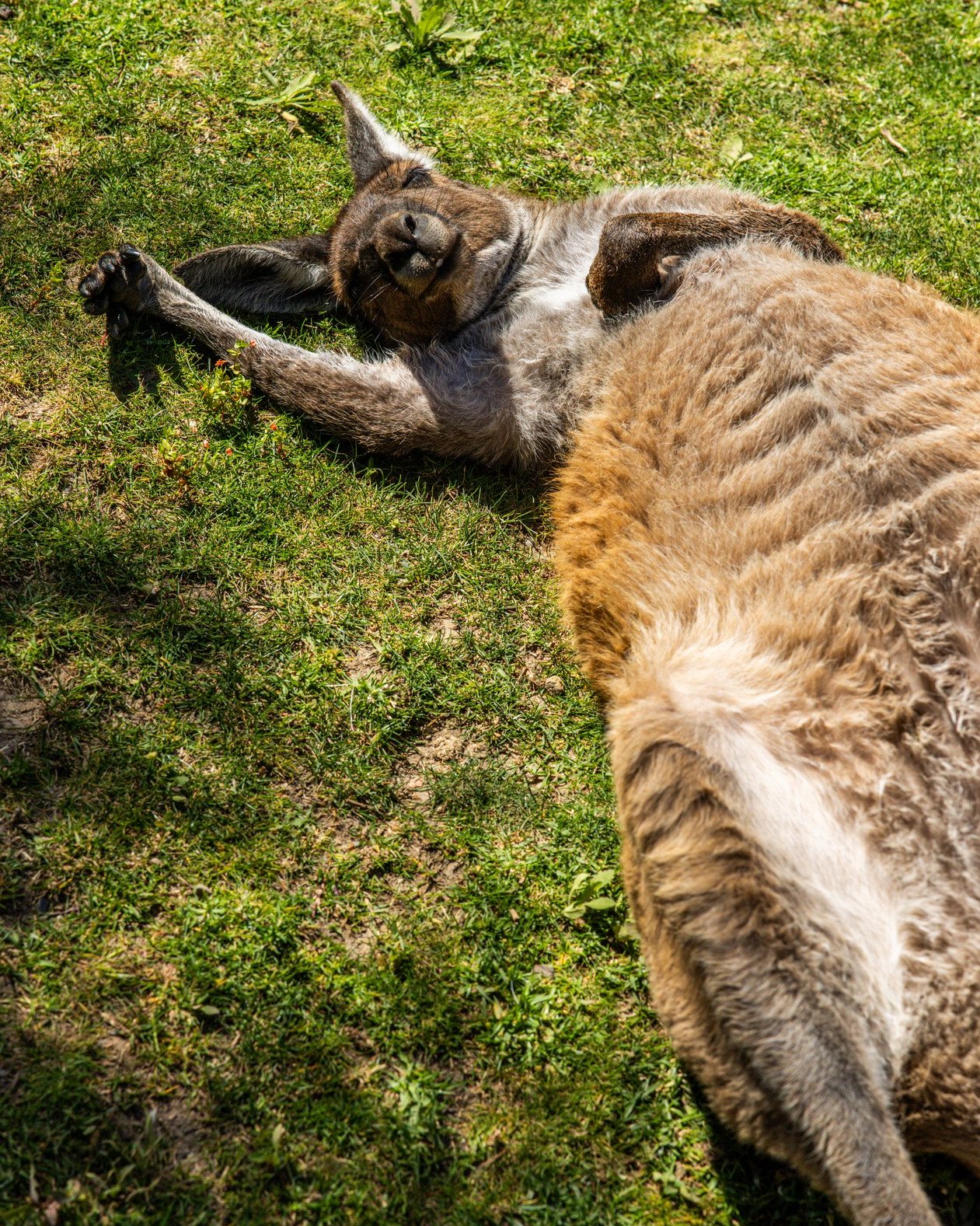
- Understanding kangaroo sleep patterns and behaviors.
- The physiology of kangaroo sleep and its significance.
- Insights into what kangaroos might "dream" about based on scientific research.
- Connections between kangaroo sleep and conservation efforts.
- The role of zoos in studying and preserving kangaroo habitats and wellbeing.
Kangaroos, iconic marsupials native to Australia, exhibit fascinating sleep behaviors. While it’s challenging to pinpoint precisely what a kangaroo dreams about, their sleep patterns and related activities offer remarkable insights. Understanding these behaviors requires a keen look at their physiology and habitat.
Kangaroos are predominantly crepuscular, most active during dawn and dusk. Their sleep is typically polyphasic, characterized by multiple short naps throughout the day and night. This pattern helps them avoid extreme temperatures and conserve energy. Western grey kangaroos, like Max, often exemplify these habits.
The kangaroo’s sleep phases include both non-rapid eye movement (NREM) and rapid eye movement (REM) sleep, akin to other mammals. NREM sleep allows for physical restoration, while REM sleep is generally associated with brain activity related to dreaming. Although kangaroos experience REM sleep, the content of their "dreams" remains speculative. However, observing their behaviors suggests that they may process daily events and environmental interactions during rest.
Kangaroos exhibit unique adaptations, such as a lower basal metabolic rate compared to other mammals. This physiological trait aids in their survival in nutrient-scarce environments. Their ability to enter torpor, a state of decreased physiological activity, further underscores the importance of energy conservation.
The question of kangaroo dreams invites us to consider their sensory and cognitive experiences. While concrete evidence is elusive, neuroscientific studies on other animals suggest that dreaming involves replaying waking experiences. In kangaroos, this could potentially involve navigating their terrain, social interactions, or even threat responses.
Conservation efforts play a critical role in maintaining healthy kangaroo populations, which indirectly impacts their natural behaviors, including sleep. Habitat loss and climate change pose significant threats. Conservation strategies prioritize habitat protection and restoration, essential for providing stable environments where kangaroos can thrive.
In zoos, studying kangaroo behavior facilitates a better understanding of their needs and can inform conservation initiatives. Zoos offer a controlled setting for observing these animals, providing insights into behaviors difficult to study in the wild. This knowledge can then be used to develop strategies for rewilding and habitat management.
Kangaroo sleep and potential dreaming raise vital questions about animal cognition and welfare. These considerations highlight the need for ongoing research and conservation efforts, ensuring these unique marsupials continue to captivate and educate future generations. Understanding what a kangaroo dreams about remains a blend of science and wonder, inspiring further exploration into the intricate lives of these remarkable creatures.
*****
Source Description
What does a kangaroo dream about? 🦘😊💤
Alt-text: Max the Western grey kangaroo lies on his back to enjoy a sunny snooze as he epitomizes blissful rest with a wide smile spread across his face in these pictures.
