
- Conch: Anatomical and Biological Overview
- Conservation Efforts and Research Initiatives
- Importance of Partnerships in Conservation
- Ecological Role of Conch and Habitat Preservation
- Culinary Uses and Economic Significance
Conch, specifically the Caribbean queen conch (Strombus gigas), is a fascinating marine gastropod with distinct features. It has two eyes, one foot, and a lip that continues to grow throughout its life. The two eyes are located on stalks, enabling the conch to perceive light, detect movements, and identify potential threats from predators. The single foot acts as both a means of locomotion and a tool for burrowing. The lip is a unique structure that can elongate as the conch matures, allowing it to adapt better to its environment.
The physiological traits of the conch play a crucial role in its survival. The conch’s shell can grow to substantial sizes, providing protection against predation. This shell is made of calcium carbonate, which is secreted by the animal and is integral to its lifestyle. As the conch lives longer, the shell becomes thicker and sturdier, aiding in its defense.
Understanding the biological attributes of the conch is essential for conservation efforts. These snails are not just seafood; they contribute significantly to their ecosystems. Their feeding habits and behaviors influence other marine organisms, positioning them as vital links in their food webs.
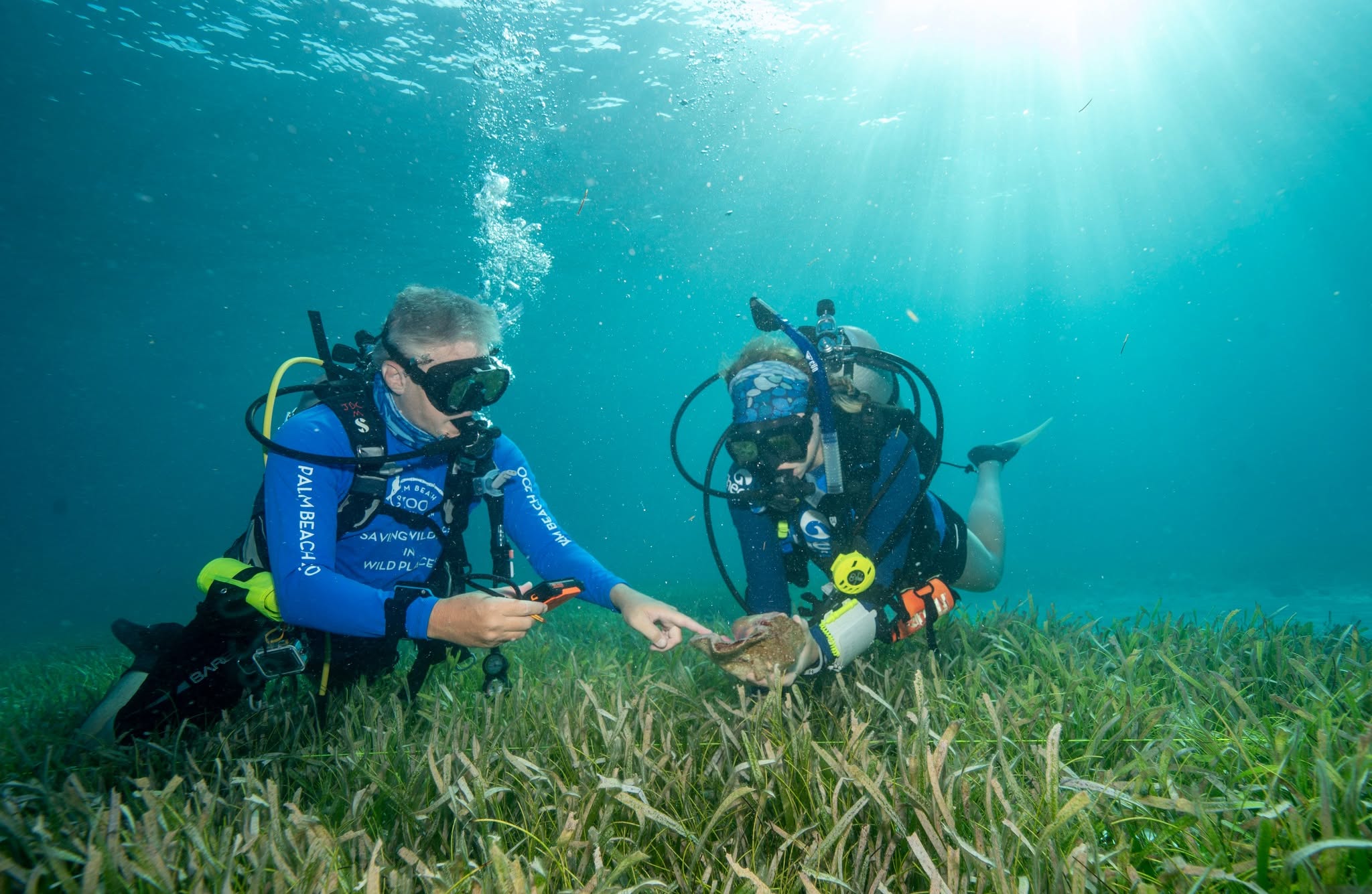
Recent research initiatives have focused on conch populations to address decreasing numbers in certain areas. The Palm Beach Zoo’s Scientific Dive Team, in collaboration with Shedd Aquarium, embarked on a research cruise to gather vital data on these snails. Data collection during these expeditions often involves tracking the movement and behavior patterns of relocated conchs. Researchers analyze where these creatures go after being moved, the duration it takes for them to arrive at new locations, and how they adapt to changes in their surroundings. This empirical understanding aids in developing effective conservation strategies.
The conch’s plight has prompted various conservation efforts. These initiatives aim to mitigate the impacts of overfishing and habitat degradation. Overhunting for culinary purposes has led to significant declines in their populations, necessitating proactive measures to safeguard their future. Regulations and protective measures have been put in place in many countries. However, enforcement and awareness remain significant challenges.
Collaboration is critical in addressing these challenges. In the conservation community, partnerships enhance the effectiveness of initiatives aimed at protecting conch populations and their habitats. The Palm Beach Zoo and Shedd Aquarium demonstrate how teamwork can amplify efforts. Their joint research endeavors not only foster data collection but also promote awareness through public outreach and educational programs. By sharing their findings, they work to inspire communities to participate in conservation efforts.
Conchs are an essential component of coral reef ecosystems. They feed primarily on algae, contributing to the overall health of these ecosystems by preventing algal overgrowth. Their grazing habits support coral reef resilience. In addition, conchs serve as prey for various predators, including fish and sea turtles, playing a vital role in the complex food web.
Research shows that preserving conch habitats is critical for their survival. Healthy habitats ensure that conch populations thrive, which, in turn, supports biodiversity. Coral reefs, seagrass beds, and mangroves provide essential nursery habitats for young conchs. Protecting these ecosystems directly impacts the longevity of conch populations.
In culinary circles, conch holds notable significance. Its meat is considered a delicacy in many cultures, particularly in the Caribbean. Conch fritters, conch chowder, and ceviche are just a few examples of dishes featuring this marine mollusk. The culinary appeal drives a significant portion of conch harvesting, which, when unsustainable, leads to ecological imbalances and population declines.
Addressing the culinary demand for conch requires a comprehensive understanding of sustainable harvesting practices. Education about responsible fishing techniques is paramount. Many organizations and researchers advocate for the implementation of sustainable initiatives. These initiatives often emphasize the importance of harvesting conchs only from healthy populations in designated areas, allowing younger conchs to mature and reproduce.
The entwining relationship between conchs and their habitats emphasizes the broader significance of marine conservation efforts. Protecting conch populations contributes to preserving biodiversity and the health of marine ecosystems. Such initiatives can bolster local economies through sustainable tourism and fishing practices, creating a balance between economic growth and environmental stewardship.
In summary, conchs are extraordinary creatures that embody the intersection of biology, conservation, and culinary culture. Their anatomical features, ecological roles, and the challenges they face highlight the need for concerted conservation efforts. Collaborative research initiatives, such as those undertaken by organizations like the Palm Beach Zoo and Shedd Aquarium, exemplify how partnerships can enhance our understanding and protection of these vital marine snails. As we continue to learn more about conchs, it becomes clear that safeguarding their populations and habitats is essential for ensuring the health of marine ecosystems and the livelihoods of communities that rely on them.
*****
Source Description
What has two eyes, one foot, and a lip that grows forever?
Conch. A critter well-known in many areas of the world, but mostly as a feature on a menu.
Palm Beach Zoo’s Scientific Dive Team was invited to join our friends and partners at @shedd_aquarium on a research cruise to collect critical data on these ancient snails. When you relocate them out of harm’s way, what do they do? Where do they go? How long does it take them to get there? All questions that need answers.
In the wild world of conservation, nothing gets done alone. This collaboration was recently featured in the latest release of @zoos_aquariums AZA Connect! Learn more about this trip and the power of partnerships within the The Association of Zoos and Aquariums community by reading the article linked in our bio. It’s quick! We promise.
