
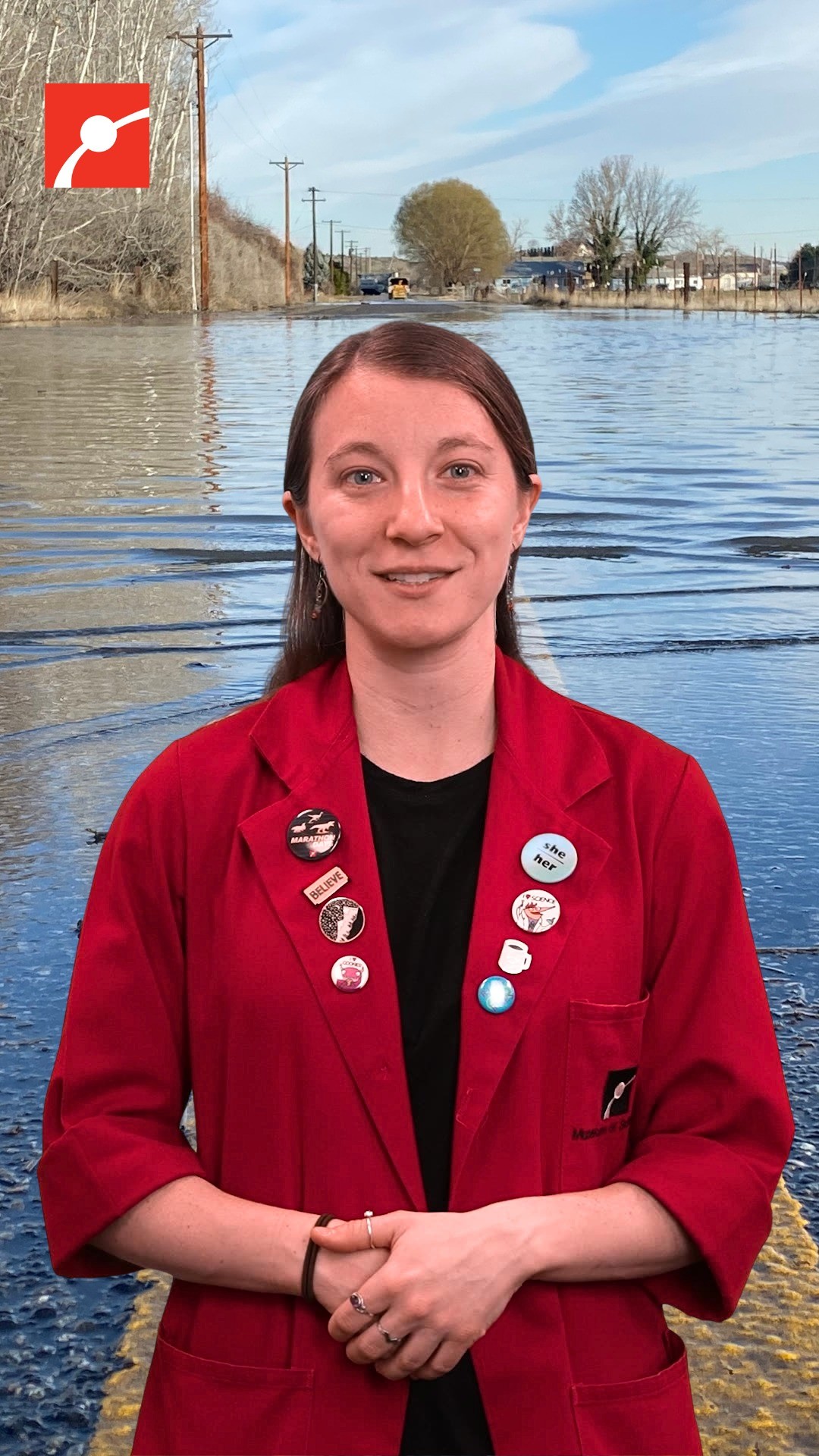
- The significance of king tides in understanding sea level rise
- The correlation between climate change and coastal patterns
- The role of public engagement in coastal protection efforts
- The scientific methods used to predict future tidal behaviors
- The implications of data collection in adapting to climate impacts
King tides are natural occurrences that showcase the maximum tidal heights observed in coastal regions, often leading to flooding in low-lying areas. Scheduled to occur as the sun and moon align in a way that enhances the gravitational pull on Earth’s oceans, these extreme tides provide crucial insights into the potential impacts of permanent sea level rise linked to climate change. The upcoming king tides on April 27 are particularly significant. They don’t just present dramatic waves; they are informative indicators of future challenges associated with rising sea levels.
These tidal extremes act as a snapshot of what our coastlines may look like in the decades to come if current trends in climate change continue. Understanding these tides requires examining their role within the larger context of climate dynamics, geographical shifts, and coastal vulnerabilities. The data collated from king tides can lay the groundwork for new approaches in coastal management, allowing communities to navigate the challenges presented by climate change more effectively.
Climate change is affecting sea levels through the melting of polar ice and thermal expansion of ocean waters. As global temperatures rise, glaciers and ice sheets melt at an accelerated rate, contributing to heightened sea levels. Simultaneously, warmer water expands, leading to further increases in ocean volume. These processes, combined with natural phenomena like king tides, illustrate a sobering picture of what our coasts may face.
During king tides, we witness how marginally higher sea levels can induce flooding of areas that are typically safe from coastal inundation. These events serve as precursors to the long-term changes that may become permanent fixtures of our shorelines. For instance, regions that experience temporary flooding due to king tides could face persistent inundation in the near future if the rate of sea level rise continues as forecasted.
Scientific research supports these claims, showing that by 2050, many coastal cities could see sea levels rise by more than one foot. Low-lying areas could potentially face chronic flooding, which might disrupt ecosystems, infrastructure, and neighborhoods. Observing king tides allows scientists, urban planners, and conservationists to prepare for these shifts.
Public engagement plays an essential role in coastal protection planning. Through community participation, such as submitting photographs during king tides, citizens contribute valuable data that can feed into local studies. These photos capture the effects of tidal flooding on their communities, offering a visual record that can inform decision-makers about at-risk areas. This kind of citizen science enhances the understanding of how tides interact with coastal settings and improves predictive modeling regarding future flooding events.
Furthermore, engagement serves as a vehicle for raising awareness about climate change’s impact. When people see the reality of tides in their neighborhoods, it sparks conversations about necessary actions and adaptations. Communities that are well-informed about potential risks are better prepared to advocate for sustainable practices and policies.
The study of tides is intrinsically tied to various scientific methodologies aimed at predicting future behaviors. Meteorology, oceanography, and climatology converge to assess how tidal patterns are likely to evolve with climate fluctuations. Researchers use a combination of satellite data, tide gauges, and climate models to monitor these changes. This multi-faceted approach is critical for accurate predictions, allowing experts to foresee which areas are more susceptible to flooding.
Satellite technology has revolutionized the observation of tides and sea level rise. Instruments in orbit can track changes in ocean heights, while satellite imagery can identify coastal erosion over time. Coupled with historical tide gauge records, this data provides a longitudinal perspective on how each tide varies and what those variations mean for the future.
Assessing tidal patterns through these advanced methods empowers scientists to create robust models for long-term projections. These models contribute to developing tools for governments and urban planners, allowing them to create strategies to mitigate flooding risks. Properly designed coastal defenses can buffer communities against higher tides and storm surges. This would involve integrating green infrastructure, such as wetlands restoration and the creation of living shorelines, alongside traditional engineering solutions.
Protecting coastlines also means considering the ecological ramifications of swift sea-level rise. Many coastal ecosystems, such as mangroves and salt marshes, act as natural barriers against flooding and also serve as crucial habitats for a variety of species. As king tides encroach further inland, these areas may be reshaped or destroyed, leading to habitat loss and decreased biodiversity.
Understanding king tides as indicators of climate change requires education and awareness. Communities must grasp that these tidal phenomena are not isolated events. They are pieces of a larger puzzle that reflect the complex interplay between human activities and natural systems.
Educators, advocates, and local organizations can play a vital role in disseminating information about king tides and their significance. Awareness campaigns and workshops can help to demystify the topics surrounding climate change and sea level rise, making them accessible and engaging. The more informed a community is, the more effective its advocacy can be for environmental policies and strategies.
Collecting and analyzing data during king tides is an important aspect of building resilient coastal communities. Photos submitted by residents can reveal not only the extent of flooding but also highlight vulnerable infrastructure. For example, schools, hospitals, and roads that frequently face flooding may require immediate attention from local governments.
Harnessing the community’s input aids in strategic planning. Initiatives that empower citizens to share their observations can improve local adaptation plans, ensuring that they reflect the lived experiences of those most affected. Building these relationships fosters a sense of ownership over local issues, inspiring proactive measures.
As we witness the profound effects of climate change, it becomes clear that the tides are more than just patterns in our oceans. They represent warnings, urging us to act. King tides encapsulate the urgent need for preparedness against an uncertain future. Ignoring these signals risks the safety and viability of our coastal communities.
The significance of these tidal events becomes clearer as sea levels continue to rise. Educational programs aimed at informing the public about forecasting methods can equip communities with knowledge about how tidal changes may affect their localities. Engaging residents in research can also lead to improved policy decisions at a municipal level.
The king tides capture a moment that offers critical information for scientists and communities alike. As coastal areas grapple with the realities of climate change, it is essential to understand what these tides signify for our collective future. By capitalizing on public engagement, reinforcing scientific methods, and ensuring communities are equipped with knowledge, we form a united front to face the challenges born from rising tides.
In adapting to this ever-changing landscape, attention to local needs and collaboration among stakeholders has never been more crucial. Through understanding and action, we can shape our destiny in a world where the tides could indeed show us the future.
*****
Source Description
What if we told you the tides could show us the future? 🌊
On April 27, king tides may flood our coasts—but they’re more than dramatic waves. They offer a glimpse of what permanent sea level rise could look like in the coming decades due to climate change. Learn why these extreme tides matter, and how your photos could help researchers build better coastal protections.
