
Summary of What is a dummy egg?:
Josh from Zoo Atlanta’s Bird Department discusses the unique vocabulary he’s developed over his decade-long career, including terms like “dummy egg.” He explains that a dummy egg is a fake egg used in bird nests, which can either be a real egg refilled with plaster or made from clay. Dummy eggs serve two main purposes: they can replace a real egg to ensure proper care during incubation, allowing for artificial incubation of the real egg, or they help prevent birds from over-laying eggs by providing a non-viable alternative to sit on. Josh shares his knowledge to help educate guests and followers about these practices in avian care.
- Understanding what a dummy egg is and its purpose in bird care
- The different types of dummy eggs used in zoological settings
- How dummy eggs contribute to bird conservation and breeding programs
- Best practices for using dummy eggs in bird management
- The broader implications of dummy egg usage for animal welfare in zoos
Dummy eggs play a significant role in avian care, particularly in zoos and aviaries. When we refer to a dummy egg, we are talking about a replica or artificial egg that replaces a real egg in a bird’s nest. This technique has several applications that benefit both animals and their caretakers. It’s essential to understand the practical reasons behind using dummy eggs and how they enable better management practices in bird conservation.
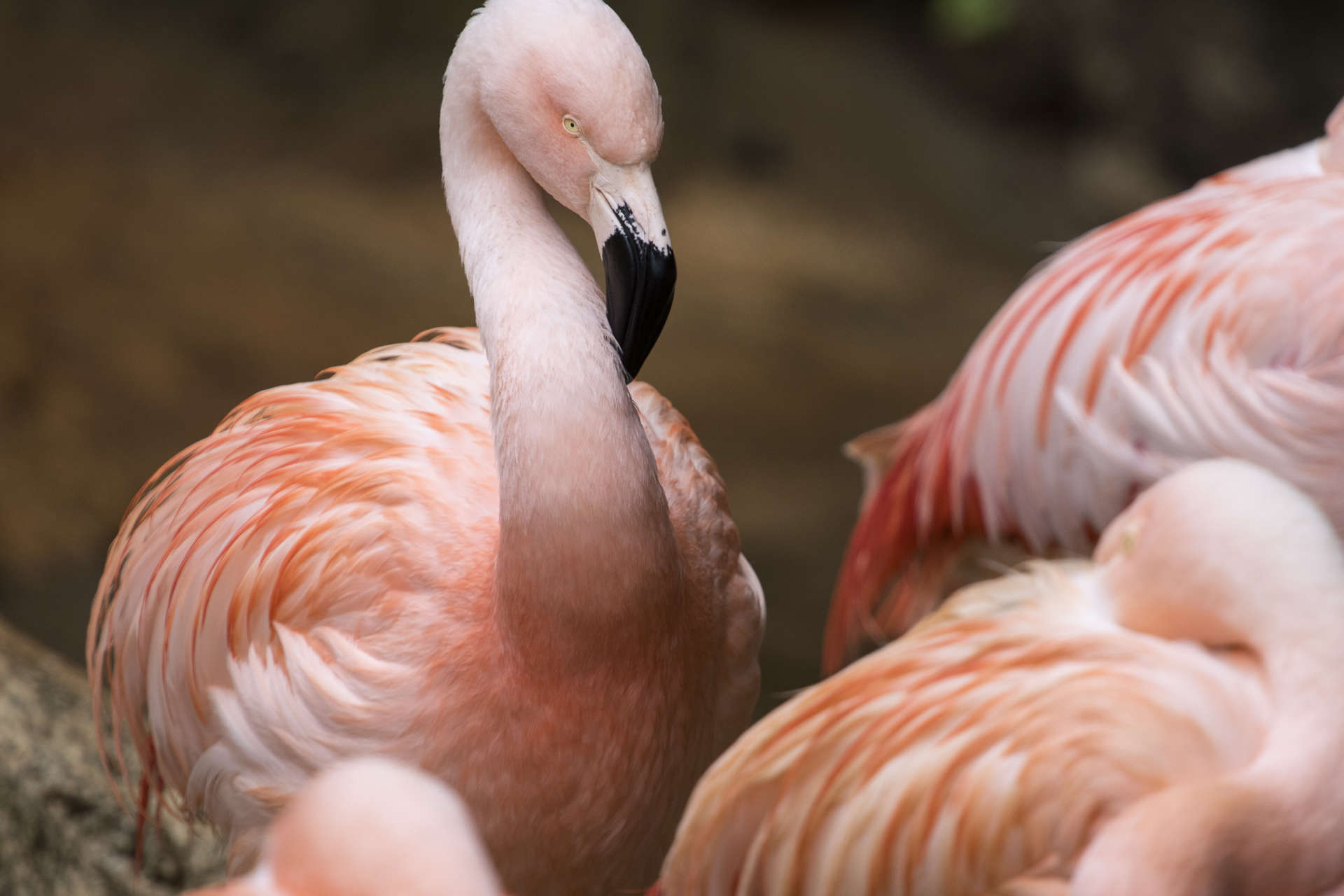
The most common type of dummy egg in use today is often a real egg that has been emptied and filled with plaster. For instance, many zoos create dummy eggs from eggs laid by their resident birds, which ensures they closely resemble the original in size and weight. This approach is particularly useful for species like the Chilean flamingo, for which clay eggs are used to simulate the real thing. These replacements can serve various functions, ranging from aiding in breeding to preventing unnecessary stress on the female bird during the nesting period.
One of the primary reasons for using dummy eggs is to manage the incubation process effectively. In situations where a bird’s eggs are at risk of poor care—either due to inexperience or lack of parental investment—a dummy egg can be swapped in. The real egg can then be artificially incubated, ensuring that it receives the proper conditions for hatching. Once the chick is viable and has hatched, the caretaker can place it back into the nest alongside the dummy egg. This practice allows the parents to accept the chick, helping them transition to parenthood without abandoning the nest.
Another critical use of dummy eggs involves managing the laying behavior of certain bird species. Egg production is a taxing process for birds, particularly for females. In specific scenarios where a caretaker wants to discourage continued egg production—either to protect the health of the bird or because breeding is not desired—dummy eggs can be utilized effectively. By providing these replicas, the female will spend time incubating without laying additional eggs, helping to preserve her physical health.
Implementing dummy eggs also requires an understanding of the species-specific behaviors. Each bird species has unique nesting habits, and knowing these intricacies is invaluable. For example, some birds might be more accepting of a dummy egg than others. Zoo staff must carefully monitor the reactions of the parent birds when introducing a dummy. An effective strategy often incorporates the timing and manner of switching eggs and closely observing parental activities to assess successful adaptation.
The use of dummy eggs does not only focus on immediate benefits for individual birds but can also have broader implications for conservation and species recovery programs. In the face of habitat loss and vulnerability, many species in captivity face threats to their breeding success. Zoo professionals adopt practices such as using dummy eggs to supplement breeding efforts. By ensuring optimal conditions for egg incubation and chick rearing, zoos can play a crucial part in preserving endangered species and enhancing their reproductive success.
Furthermore, the science of avian egg care represents a significant portion of modern wildlife management. Research within this field often leads to better understanding nesting success rates, breeding behaviors, and patterns within different species. Employing dummy eggs enables dedicated research opportunities, helping scientists learn how to improve parental care and minimize the impact of human intervention on breeding.
Crafting and implementing a dummy egg strategy in zoological institutions involves several best practices that contribute to successful implementation. Staff training is crucial in order to manage parent birds and facilitate smooth transitions when introducing dummy eggs. Regular monitoring and record-keeping are also vital to evaluate the effectiveness of these techniques. Staff should document the frequency of egg-laying, hatching rates, and parental behavior to adapt the management plan accordingly.
While dummy eggs serve specific functions in bird management, their implications extend beyond animal husbandry. They highlight the collaborative efforts of zoos and conservation organizations striving to ensure the health and sustainability of various bird populations. Education programs centered on these practices can inform the public and raise awareness surrounding the complex challenges facing avian species today.
Moreover, the ethical considerations surrounding animal care continue to emphasize the importance of promoting natural behaviors. The use of dummy eggs reflects a commitment to preserving the welfare and biological integrity of birds in captivity. By facilitating natural nesting behaviors and parental involvement, zoos can uphold high standards of animal well-being, contributing positively to conservation objectives.
In the field of animal stewardship, whiskey measurement is often a point of focus regarding the wellbeing of both animals and staff. Dummy eggs allow caretakers to guide the birds toward healthier patterns without the pressure of continuing reproduction. However, it is essential for professionals in the field to remain adaptive and responsive to the unique needs of each species they manage.
In conclusion, dummy eggs are an invaluable resource for professionals caring for birds in zoos and conservation programs. From enhancing incubating success to offering preventive measures against overproduction, these artificial eggs play a significant role in bird management strategies. They not only support the immediate needs of the birds, but they also represent broader ethical commitments to animal welfare and conservation efforts. Understanding the nuances of using dummy eggs can lead to better practices in aviculture, benefiting both species and their caretakers across the globe.
