
Summary of From lizards to lions—one of the newest members of our Animal Health team shares what it takes to become a zoo vet!:
The article celebrates International Day of Veterinary Medicine and highlights the contributions of veterinary professionals to animal health, particularly at Woodland Park Zoo. It features an interview with Dr. Laura St Clair, a new associate veterinarian, who shares her lifelong aspiration to care for animals, beginning at a young age. She discusses her educational journey, including studying zoology at Colorado State University and veterinary training at Cornell University, emphasizing the importance of specialized training in zoo and wildlife medicine.
Dr. St Clair describes her role at the zoo, where she cares for a diverse range of animals, and recounts her first case involving a saki monkey. She expresses her love for the Pacific Northwest and the unique species at the zoo, such as mountain goats. Additionally, she provides insights into a typical workday, which is varied and unpredictable.
For aspiring veterinarians, she advises persistence, seeking mentorship, and gaining experience through volunteering. Dr. St Clair also shares her personal pet experiences and hobbies, emphasizing the importance of balance between work and leisure. The article concludes by thanking all veterinary team members for their dedication to animal care.
- The journey of becoming a zoo veterinarian: education and training requirements.
- Insights from Dr. Laura St Clair on her experiences at Woodland Park Zoo.
- Diverse responsibilities and the variety of species treated by zoo veterinarians.
- The role of teamwork in veterinary medicine at a zoo.
- Advice for aspiring veterinarians from a professional in the field.
Embarking on the path to becoming a zoo veterinarian is a rewarding yet demanding journey that requires years of education, specialized training, and diverse experiences. For those who hold a passion for animal welfare and conservation, this career offers the chance to work closely with a broad array of species, from reptiles to mammals, and engage in crucial conservation efforts.
To start, aspiring zoo veterinarians typically enter this field with an undergraduate degree in a relevant discipline, such as zoology or biology. Some schools, like Colorado State University, offer pre-veterinary programs which provide invaluable resources and guidance. These programs help students understand the prerequisites needed for admission into veterinary schools, which primarily focus on domestic animals. The pathway to veterinary school includes gaining clinical experience, volunteering at animal shelters, or working in veterinary clinics, which cultivates essential veterinary skills.
Dr. Laura St Clair, a member of the Animal Health Team at Woodland Park Zoo, provides a firsthand account of what it takes to become a zoo vet. She emphasizes the importance of choosing a veterinary school that offers specific training in exotic animal medicine. Dr. St Clair graduated from Cornell University after receiving her undergraduate degree in zoology. During her time in veterinary school, she pursued specialized courses and participated in zoos and wildlife clubs, which further prepared her for the unique challenges she would encounter.
After completing veterinary school, many veterinarians seek further specialization through internships and residencies. Dr. St Clair undertook a one-year internship and a three-year residency focused on exotic animals, enabling her to develop comprehensive skills necessary for working in zoological settings. While this structured pathway is beneficial, it is important to note that there are multiple routes into the field. Gaining practical experience in a zoo or aquarium can also provide crucial on-the-job training.
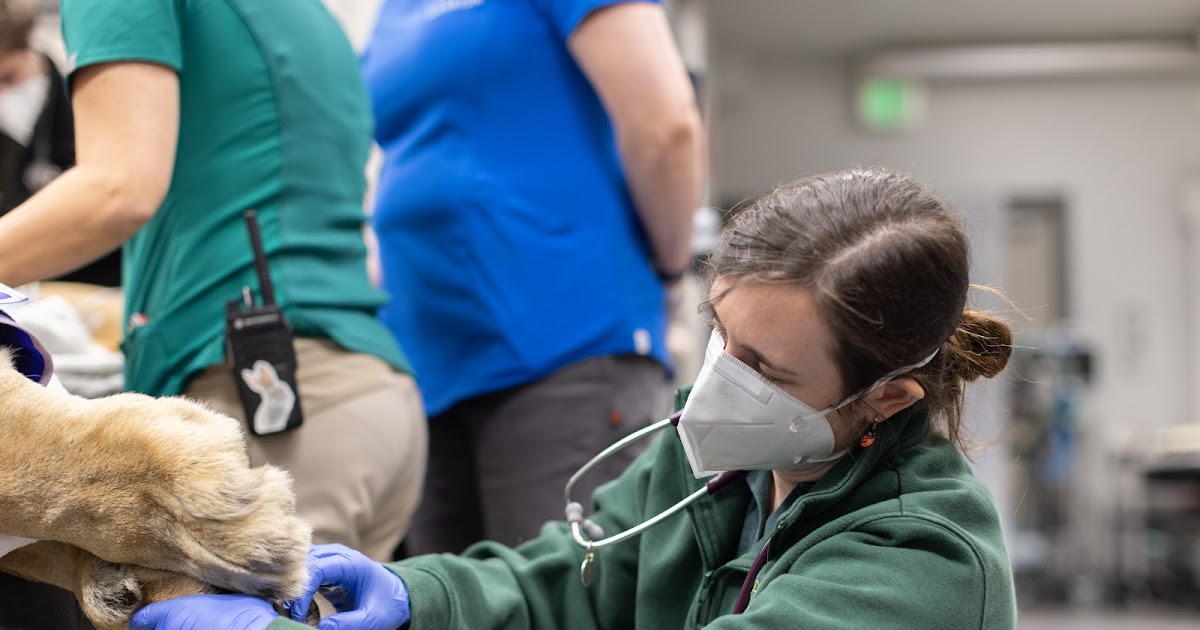
Veterinarians like Dr. St Clair have a wide range of responsibilities, showcasing their role in animal health care. At Woodland Park Zoo, veterinarians treat all species, including invertebrates, birds, reptiles, and mammals. This variety necessitates a robust understanding of different medical practices tailored to each species. For example, the procedural aspects of treating a lion differ significantly from treating a saki monkey. Every treatment plan must consider the specific biology and health needs of the animal in question.
Dr. St Clair recounted one of her early experiences at the zoo, treating Babs, a female saki monkey. The case involved diagnosing a dental issue, highlighting the necessity for precise examination and intervention, including anesthesia and dental radiography. This experience illustrates the multifaceted responsibilities of zoo veterinarians, as they must be well-versed in both routine and emergency care across a spectrum of animals.
Collaboration plays a critical role within the zoo’s veterinary team. Dr. St Clair emphasizes the daily morning meetings where veterinarians, technicians, and animal keepers come together to strategize about the day’s procedures. This workflow promotes effective communication, ensuring that each animal receives optimal care. Team dynamics are vital not only for daily operations but also for conducting research and implementing conservation strategies. By working closely alongside diverse professionals, zoo veterinarians contribute to the well-being of animals while also furthering conservation initiatives.
A question frequently posed to veterinarians is about their favorite species. Dr. St Clair cites her fondness for mountain goats, underscoring the emotional connection veterinarians can develop towards the animals they care for. Such connections enhance the job satisfaction inherent in veterinary work, as each animal presents unique challenges and learning opportunities.
The work-life balance of a zoo veterinarian is dynamic and often unpredictable. No two days resemble one another, as veterinarians deal with various emergencies, examinations, and routine care. Morning schedules may include handling anesthetized examinations followed by administrative tasks such as organizing medical records and communicating with other zoo departments. This variability adds excitement to the profession but can also require adept time management and adaptability.
For high school students considering a career in veterinary medicine, Dr. St Clair offers valuable insights. She stresses the importance of staying dedicated and not feeling overwhelmed by academic pressures. Forming connections with mentors and gaining early experiences, whether through volunteer work or internships, lays a solid foundation for future success. Understanding that academic performance is crucial, especially when preparing for college applications, is equally important.
Owning pets is not uncommon among veterinarians, as it can foster a deeper understanding of animal behavior and needs. Dr. St Clair has a beagle mix and a rabbit, providing her with firsthand experience that enhances her professional insights and empathy toward the animals in her care.
In addition to animal care, zoo veterinarians play a significant role in education and outreach programs. Their expertise contributes to public understanding of wildlife conservation and the importance of animal health. Sharing knowledge about animal welfare fosters community engagement and highlights the need for conservation efforts, especially as many species are facing unprecedented dangers from habitat loss and climate change.
The role of a zoo veterinarian extends far beyond medical tasks; it encompasses teamwork, education, and advocacy for wildlife conservation. As veterinarians treat and care for multiple species, they contribute significantly to broad conservation goals while working closely with other zoological staff to create sustainable solutions for wildlife challenges.
Dr. St Clair’s journey to Woodland Park Zoo illustrates not just the dedication required for such a role but also the remarkable opportunities that lie within this profession. Her experiences are a testament to the hard work and passion that characterize the veterinary field, particularly in a zoo setting. The continuous need for learning and collaboration among veterinarians, technicians, and keepers maintains a high standard of care for the myriad animal species.
For those curious about a veterinary career, being open-minded and seeking diverse experiences can set the stage for a fulfilling path. As our wildlife increasingly faces threats from human activity, the importance of skilled veterinarians becomes ever more critical in preservation efforts. This career offers not only the joy of working closely with animals but also the profound ability to make a difference in their lives and contribute to the fragile balance of our ecosystem.
