
- Understanding the Importance of Herd Check Days
- Recognizing Routine Veterinary Care for Different Species
- Facing Challenges When Not Scheduled for Herd Checks
- Best Practices for Efficient Veterinary Visits
- Promoting Animal Welfare through Regular Assessments
Herd check days are critical for maintaining the health and well-being of livestock, including animals like bulls, goats, and alpacas. These regular veterinary examinations play a pivotal role in preventive care, vaccination schedules, and early detection of potential health issues. Understanding the framework of these visits allows farm managers and animal lovers alike to appreciate their significance. When the day arrives for routine checks, the expectation is clear: all scheduled animals will receive their exam, treatment, and vaccinations.
However, what happens when an animal is not on the schedule? The implications go beyond mere disappointment and could involve animal welfare concerns and logistical challenges. Having a strategy in place ensures that animals, even if they miss their check, receive necessary attention.
The importance of herd check days cannot be overstated. Veterinary professionals like those from NC State Vet Med conduct comprehensive examinations that include physical checks, vaccinations, and blood work. Each component serves a distinct purpose. Routine physical exams help detect any issues, such as dental problems, signs of illness, or behavioral changes. Vaccinations are essential to prevent contagious diseases that can spread swiftly among a group of animals. Blood tests can provide insights into the overall health of the herd and help identify any underlying conditions.
Different species require varying approaches. Bulls might need specific reproductive health checks, goats can be more susceptible to parasitic infections, and alpacas might require special attention for their unique dietary needs. Understanding these nuances facilitates more effective care tailored to the needs of each species.
When an animal is not on the herd check schedule, it raises several concerns. The owner or caretaker may worry about missing a crucial health assessment. Potential health issues could go unnoticed, which may impact the animal’s well-being. This scenario points to gaps in scheduling management and communication between the vet team and animal custodians. A robust system for scheduling can help mitigate these challenges.
Effective coordination for herd check days involves pre-scheduled appointments and clear communication. Farm managers must ensure that all animals are accounted for and that any new additions are included in the necessary documentation. Digital scheduling tools can streamline this process, reminding caretakers and veterinarians alike of upcoming checks.
Another aspect that merits attention is the way unexpected examinations can be handled. When the schedule is saturated, it may be beneficial to have a protocol for emergency visits or last-minute assessments. For example, caretakers should feel empowered to call the veterinary team if they notice health changes in any animals, even those not on the original check list. Rapid identification of symptoms allows for swift action, crucial for maintaining herd health.
Promoting animal welfare extends beyond mere veterinary intervention. Regular assessments serve to educate caretakers about their animals’ needs. Understanding signs of stress or illness can lead to earlier detection, improving outcomes significantly. Clear communication about health statuses can empower owners to take proactive measures in managing their herds.
Routine veterinary care is critical for each species, enhancing their quality of life while preventing illness. For instance, in bulls, reproductive health checks not only assess physical condition but also evaluate semen quality, which directly affects breeding success. Regular hoof trimming in goats is significant as neglect can lead to lameness, thus impacting their mobility and ability to graze.
Alpacas, unlike more common livestock, require thoughtful nutritional management. Observing alpacas closely allows caretakers to recognize when animals may be off their feed or displaying other subtle signs of distress. Their fleece can also provide clues; changes in coat texture or density may indicate nutritional deficits or health concerns. Therefore, a deep understanding of each species contributes to better management.
Moreover, the concept of herd health management goes beyond physical examinations. It incorporates environmental factors, stress management, and social structures. Herd dynamics can significantly influence health; for instance, social stress can lead to a decline in overall well-being. Recognizing stressors in the environment, such as overcrowding or aggressive behaviors, is vital for maintaining harmony within the group.
Communication with your veterinary team is essential. Being able to discuss concerns openly allows for more nuanced care and thorough assessments. Ensuring that the veterinarians understand the specific needs and characteristics of each animal leads to more precise observations during examinations.
In an age where knowledge is at our fingertips, it helps to stay updated on best practices in animal husbandry. Online resources and continuing education opportunities can provide caretakers with tools to improve herd management strategies. Utilizing technology not only enhances scheduling efficiency but also fosters better communication.
Being proactive about health assessments can lead to fewer emergencies later, as small issues can be managed before they escalate. Regular veterinary visits allow the team to establish baselines for each animal’s health, making it easier to detect deviations from normal patterns. Keeping detailed records of each animal’s health history enables comparability, contributing to improved management over time.
In summary, herd check days are essential for maintaining the health and welfare of livestock. Regular veterinary exams help ensure that each animal is thriving. When animals find themselves off-schedule, it can create logistical challenges and potential health risks. By employing effective scheduling strategies, maintaining open communication, and remaining vigilant, caretakers can promote the health of their herds, even on days when they are not scheduled for a vet visit.
Being tasked with the care of animals is a significant responsibility, emphasizing the importance of education and proactive management in achieving optimal outcomes. Understanding the intricacies of individual species’ health needs and the impact of herd dynamics is vital for successful animal husbandry.
Investing time and resources into efficient farm management can significantly enhance the quality of life for livestock, ensuring that they remain healthy and productive in their respective roles. Through coordinated efforts, caretakers can bridge the gaps that might occur on herd check days and contribute positively to animal welfare. Each animal deserves attention and care, regardless of when they are scheduled for checks.
*****
Source Description
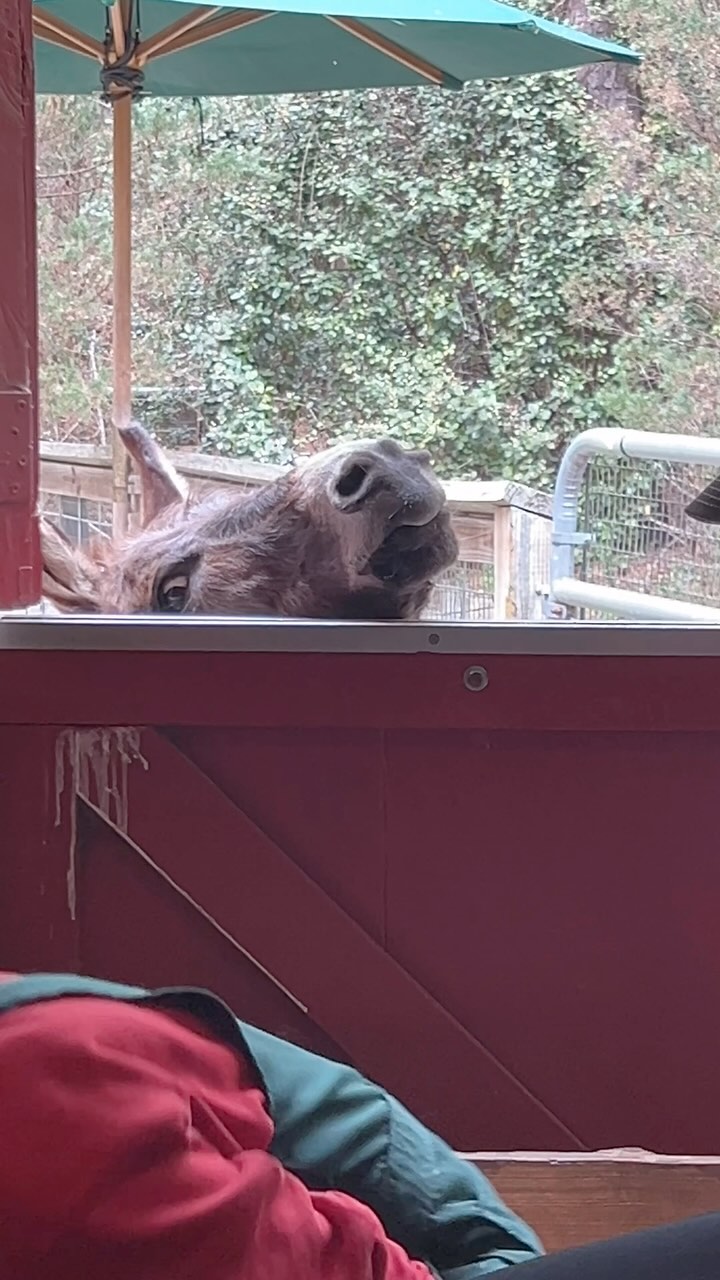
When it’s herd check day but you’re not on the schedule 🫏⚡️
Recently, @ncstatevetmed came out to perform regular exams on our bulls, goats, and alpacas, giving them thorough physical checks as well as routine vaccines and blood work.
Everyone is doing well, but especially Lightning who just watched!
