
- Understanding the meaning behind “I don’t know” in the context of knowledge and awareness
- The psychology of knowledge denial and its implications
- The significance of expertise in zoo management and animal care
- The role of communication in animal conservation and education
- Practical strategies for increasing knowledge and awareness in wildlife conservation
When individuals utter the phrase “I don’t know,” it can sometimes mask a deeper understanding or awareness of a subject. This phenomenon can be observed across various fields, particularly in the roles of zookeepers and wildlife conservationists. The statement, though seemingly straightforward, can carry complex implications about knowledge, expertise, and communication.
The psychology behind knowingly claiming ignorance is a fascinating area of exploration. Many people might say they do not have information about a particular subject, despite having considerable familiarity with it. This can stem from various psychological factors, including fear of judgment, performance anxiety, or lack of confidence in their expression. Often, experts in a field may hesitate to offer answers due to the fear of being wrong or of not conveying their knowledge with sufficient clarity. This behavior can be seen in professionals such as zookeepers—individuals like Keeper Ariel, who exhibit a wealth of information about animals yet sometimes may refrain from sharing that knowledge in specific contexts.
In the field of zoo management, expertise is crucial. Zookeepers, veterinarians, and conservationists possess extensive knowledge about animal behavior, dietary needs, and ecosystem interactions. When these professionals say they “don’t know,” they may protect themselves against making an unverifiable statement. Furthermore, it is essential to recognize that the entire body of knowledge in zoology is vast and continually evolving. Thus, even seasoned professionals can feel uncertain about particular nuances or newly emerging research.
The implications of these dynamics extend beyond individual interactions. Such instances can affect communication within conservation education. One significant aspect of wildlife conservation is effectively conveying knowledge to the general public. Zookeepers play a pivotal role in educating visitors about habitats, behaviors, and the importance of biodiversity. If experts feel constrained in sharing their understanding, it may lead to gaps in visitor engagement with pressing environmental issues. Accurate communication about wildlife can foster stronger connection with the audience, ultimately leading to increased support for conservation efforts.
To significantly contribute to their work, zookeepers must be skilled in both animal care and communication. Knowledge of animal behavior is one thing; being able to convey that knowledge to a diverse audience adds another layer of complexity. Effective communication is fundamental for building a bridge between science and public perception. Zookeepers who can articulate their understanding can elevate visitor experiences, transforming a simple zoo visit into an impactful learning opportunity about endangered species and conservation strategies.
Encouraging individuals, including zookeepers, to share their knowledge confidently requires proactive strategies. Educational programs for zoo staff frequently focus on communication technology, public speaking skills, and audience engagement techniques. Workshops and training sessions often foster self-assurance, helping zookeepers to feel more comfortable discussing their expertise. The development of these competencies allows experts to interact with audiences meaningfully and authentically.
Moreover, collaboration among zoo staff can promote a culture of knowledge sharing. Resource-sharing initiatives can establish channels for ongoing learning among zookeepers and conservationists to foster continuous improvement in practices. By creating a workplace where knowledge is routinely exchanged, institutions bolster staff confidence in their understanding. This cultivation of a supportive environment ultimately enhances the capacity to communicate effectively with the public.
Access to updated research and findings related to animal science plays a crucial role in reinforcing confidence. Zookeepers must remain informed about the latest developments in their field. This knowledge, gained through journals, seminars, and conferences, can breathe new life into conventional wisdom, enabling professionals to present fresh insights. By encouraging staff to engage with emerging studies, zoos can empower zookeepers to confidently articulate their understanding without the fear of saying, “I don’t know.”
Zoo management aims to provide a seamless experience for visitors, balancing fun and education. This is particularly relevant during animal presentations, feeding times, and educational signage. Zookeepers can enrich these experiences by integrating captivating facts and stories about the animals under their care. Well-prepared staff who share their expertise about animal behavior and conservation techniques can captivate audience interest and facilitate informed discussions. This type of dynamic presentation transforms zoo visits from passive observation into engaging learning experiences.
Additionally, the concept of “I don’t know” becomes an opportunity for further inquiry. When a zookeeper acknowledges uncertainty, it can open a pathway to deeper discussions about wildlife and conservation. By inviting questions and emphasizing that certain aspects of animal behavior or environmental science are still being explored, zookeepers can inspire curiosity. This creates an atmosphere conducive to learning and encourages visitors to engage further with wildlife conservation initiatives in their communities.
Ultimately, the role of education is central to the work of zookeepers. By weaving knowledge into various aspects of zoo operations, they can motivate visitors to appreciate the intricacies of wildlife and the importance of preservation. Understanding that some roles will entail saying, “I don’t know” is essential. This admission can push conversations in new and profound directions, encouraging a collective journey toward deeper understanding and better stewardship of our natural world.
Efforts to improve public engagement go beyond direct communication at the zoo. Online platforms, social media, and virtual learning resources offer avenues for disseminating information and encouraging dialogue. Zookeepers can share their insights through blogs, virtual tours, and live Q&A sessions. These channels allow individuals, who might not be able to visit the zoo, to gain access to valuable information. Such comprehensive educational approaches reinforce the idea that sharing knowledge transcends geographical boundaries.
Research indicates that increased public awareness correlates with stronger conservation efforts. Educated individuals are more likely to support policies and initiatives aimed at protecting wildlife habitats. This underscores the fundamental importance of communication in enhancing conservation efficacy. By addressing the perceived complexities of knowledge sharing and reducing the inclination to profess ignorance, zookeepers can magnify their impact.
As we consider the phrase “I don’t know,” it becomes evident that this acknowledgment should not be viewed negatively. Instead, it serves as an invitation to explore and learn further. Zookeepers and conservationists can foster a culture of inquiry and knowledge sharing. Through robust communication strategies and continuous education, experts in animal care can both share their understanding and motivate visitors to become informed advocates for wildlife conservation.
Promoting this mindset among zookeepers and the broader community encourages everyone to embrace curiosity. This culture of open inquiry prepares individuals to confront challenging questions about wildlife and ecosystem sustainability. As wildlife conservation continues to evolve, so will the conversations surrounding it. By cultivating a proactive stance on communication and fostering an atmosphere of shared learning, a future can be forged where “I don’t know” becomes a stepping stone toward deeper understanding—both for the experts and the communities they serve.
The ability to articulate knowledge and encourage inquiry is vital. Whether you are a zookeeper like Ariel or an avid supporter of wildlife conservation, unearthing additional layers of knowledge can stimulate dedication and inspire action. Collective advocacy rooted in a shared understanding has the potential to create a powerful movement in preserving our precious wildlife and natural habitats.
*****
Source Description
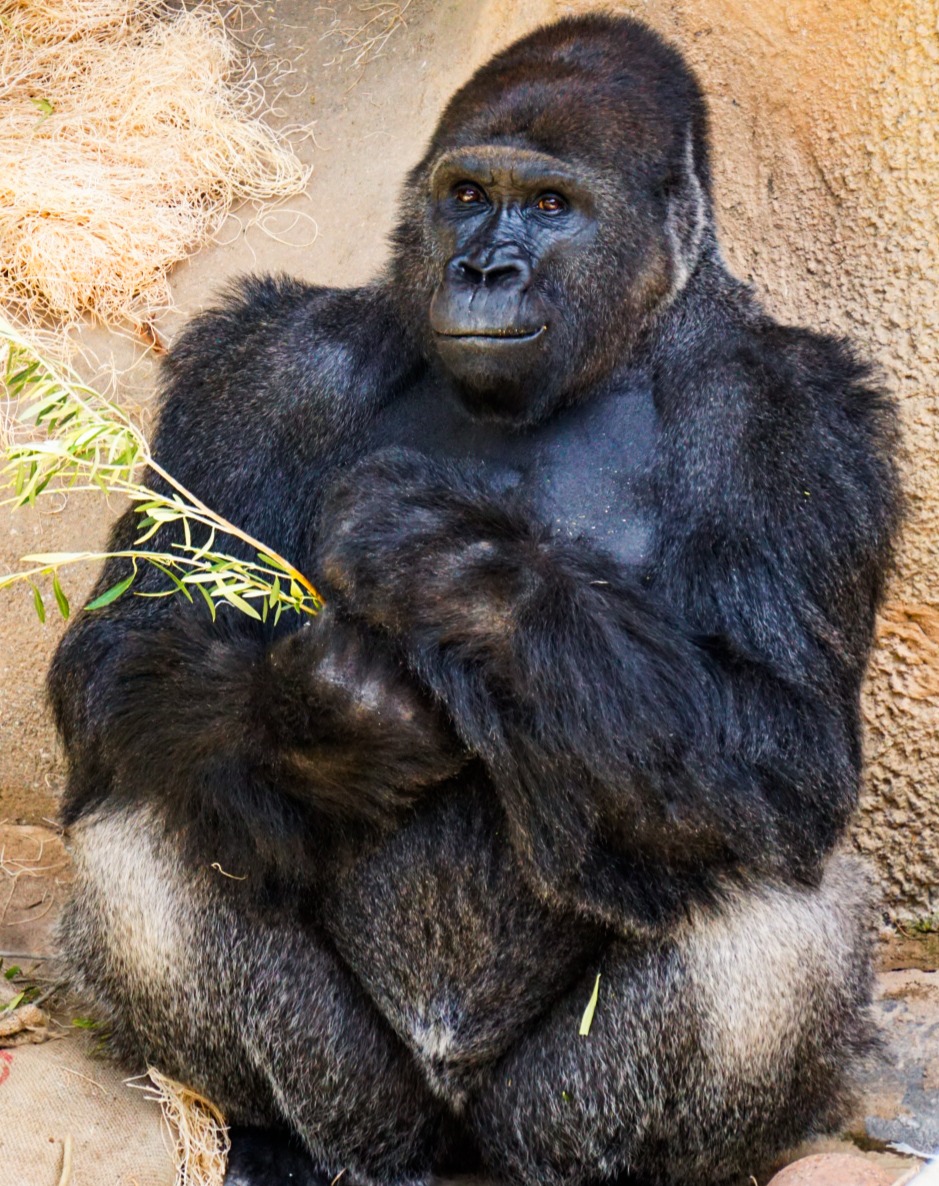
When you say, “I don’t know,” but really you do be knowing… 😏🦍
📸: Keeper Ariel
Alt-text: Nzinga the Western lowland gorilla smirks at Keeper Ariel’s camera as he crosses his arms while holding a bit of green leafery.
