
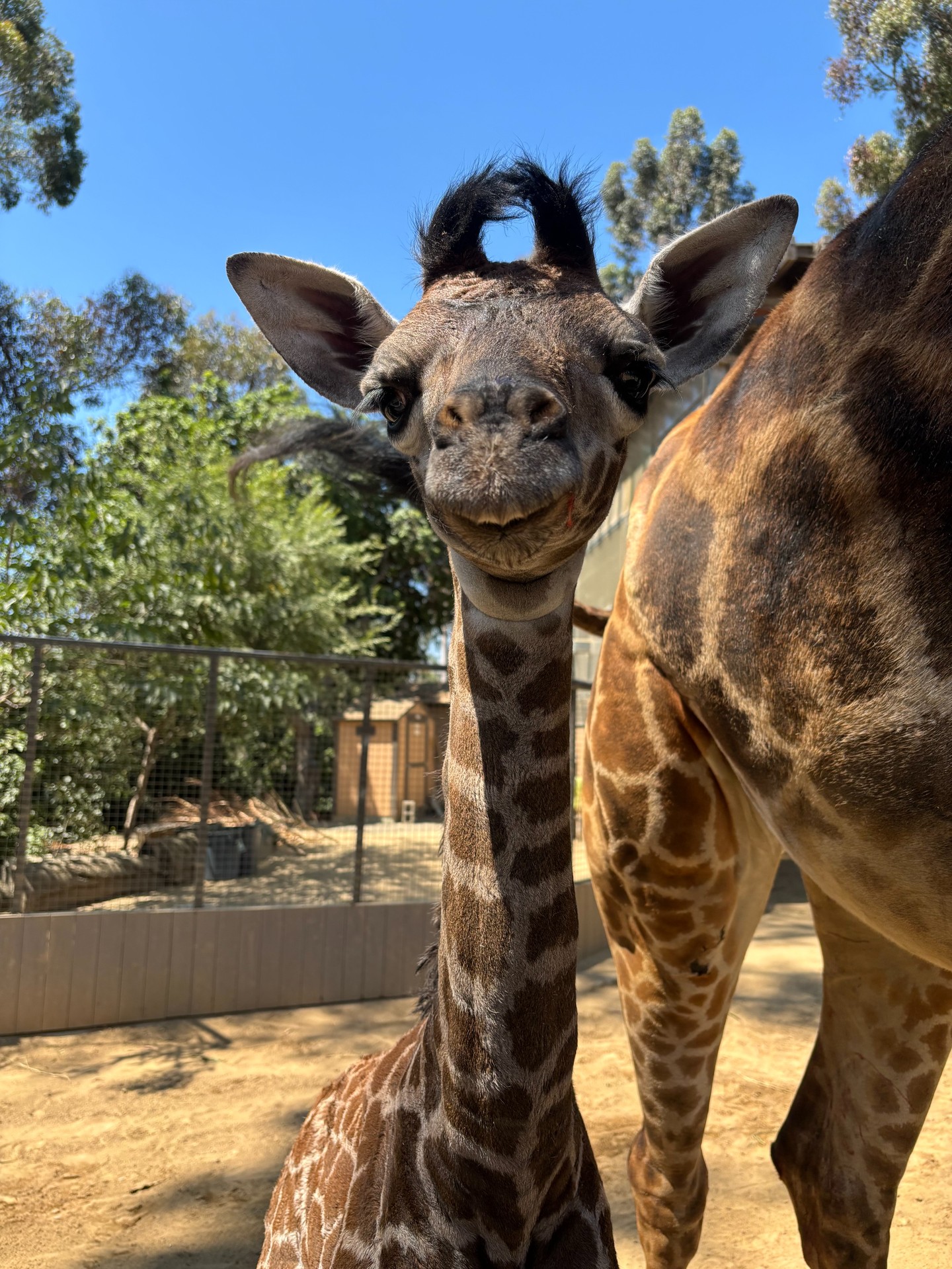
- The psychological effects of unexpectedly seeing oneself in the front-facing camera
- The role of front-facing cameras in animal observation and research
- Ethical considerations in wildlife photography using front-facing cameras
- Application of front-facing cameras in zoo management and animal care
- Technological innovations enhancing wildlife conservation through camera usage
The unexpected experience of opening a front-facing camera can evoke a range of psychological effects. For many, this moment prompts immediate self-assessment. Studies show that seeing one’s reflection can lead to increased self-awareness; it may instigate feelings of self-critique or self-acceptance, depending on the individual’s psychological state at that moment. This phenomenon is closely related to the concept of self-perception theory, which posits that individuals form attitudes and emotions by observing their own behaviors. The anticipation of managing an unexpected moment can influence emotional responses, showcasing how minor technological interactions can prompt introspection and affect mood.
In contrast to this human-centric experience, front-facing cameras serve a vital function in the observation of wildlife and research. Researchers deploy various cameras to track animal behavior, monitor populations, or study social hierarchies. These technologies provide invaluable insights into animal interactions without the intrusive presence of human observers, which could alter natural behaviors. For instance, motion-triggered cameras in a natural habitat can capture images of elusive species, allowing scientists to gather data that would otherwise remain hidden. The unobtrusive nature of such cameras enhances the quality of research while minimizing human impact on wildlife.
Ethical considerations arise when utilizing front-facing cameras for wildlife photography. The advent of these technologies means that photographers and researchers must navigate the responsibilities accompanying their use. The risk of disturbing wildlife habitats is a primary concern. It is essential for photographers to prioritize the well-being of animals over the desire for striking images. Ethically responsible wildlife photography emphasizes the necessity of understanding animal behaviors and habitats before deploying cameras. This knowledge helps mitigate stress on the animals and ensures their natural patterns remain undisturbed.
In addition, front-facing cameras can significantly enhance zoo management and animal care procedures. Zoos increasingly rely on advanced technological tools, such as cameras, to monitor animal welfare. Continuous observation helps staff assess the health of the animals and identify any potential issues quickly. For example, cameras can aid in understanding social dynamics within a species, allowing for proper habitat design and species grouping that reduces stress and promotes well-being. Automated systems can help keep track of feeding schedules and behavioral patterns, leading to better nutrition and care.
Technological innovations surrounding front-facing cameras also play a pivotal role in wildlife conservation. For instance, camera traps are vital for biodiversity assessments and conservation efforts. These devices can be strategically placed in protected areas to monitor population dynamics and assess the impact of conservation measures. By harnessing image recognition software, researchers can process vast amounts of data collected, identifying individual animals and monitoring their health over time. This quantitative approach generates evidence that drives not only conservation policy but also public awareness about the state of endangered species.
Moreover, the use of front-facing cameras extends into educational programs within zoos. Interactive exhibits that incorporate live footage from cameras can captivate visitors, enhancing their understanding of animal behavior. Such engagement fosters a connection between the public and the animals, promoting advocacy for conservation efforts. Digital platforms powered by these cameras allow zoos to reach wider audiences, providing real-time updates and fostering a sense of community around animal welfare.
The psychological effects of unexpectedly seeing oneself are just one lens to view the broader implications of camera technology. The importance of understanding how these cameras affect both humans and wildlife can bridge gaps in animal observation, zoo management, and conservation. As humanity continues to embrace technological advancement, the dual role of front-facing cameras as tools for introspection and wildlife observation emerges even more clearly, highlighting their relevance across multiple domains.
Front-facing cameras symbolize a blend of convenience and responsibility in today’s high-paced society. On a personal level, they influence self-perception and emotional well-being. Meanwhile, in the biological sciences, they stand as transformative tools that benefit animal research and conservation initiatives. The relationship between technological innovation and its role in improving our understanding of wildlife underlines an essential shift in how we interact with the natural world.
Understanding this dynamic is crucial for future conservation efforts. To effectively leverage front-facing camera technology, ongoing education and training must be prioritized for both researchers and the public. Improved knowledge around ethical wildlife photography can promote a more conscientious approach, supporting sustainable practices that prioritize animal welfare. Furthermore, engaging the public in conservation efforts using real-time interactive camera feeds not only informs them about wildlife but also encourages personal reflection and advocacy.
As the field of zoology continues to evolve, advancing technologies like front-facing cameras will play an increasingly significant role. Their integration into research methodologies, conservation strategies, and public engagement activities invites a broader discussion surrounding stewardship and responsibility. It pushes the conversation forward about how society can use technology to foster deeper connections to wildlife and the environment.
Advancements in front-facing camera technology also pose questions about privacy and ethical surveillance in wildlife contexts. Striking a balance between research needs and animal rights is essential. Continuous dialogue among stakeholders, including researchers, conservationists, and the public, must focus on regulatory frameworks that govern the use of technology in wildlife contexts. As technologies change and grow, policies must adapt to protect both wildlife and the ecosystems they inhabit.
The utility of front-facing cameras, while being multifaceted, ultimately emphasizes a collective responsibility towards animals and their environments. Each photograph captured serves as a reminder of the intricate tapestry of life on Earth, echoing the urgent calls for action in conservation efforts. Integrating this technology ethically into zoology offers immense potential to enhance our understanding of wildlife and empower the global conservation movement.
To summarize, the interplay between the psychological effects of accidentally using a front-facing camera and its broader applications in zoology underscores the profound impact technology has on our lives and the natural world. The next time you accidentally activate that camera, consider its broader implications—not just for self-reflection but also for the vital role it plays in understanding and preserving wildlife for future generations.
*****
Source Description
When you accidentally open the front-facing camera 🙂
