
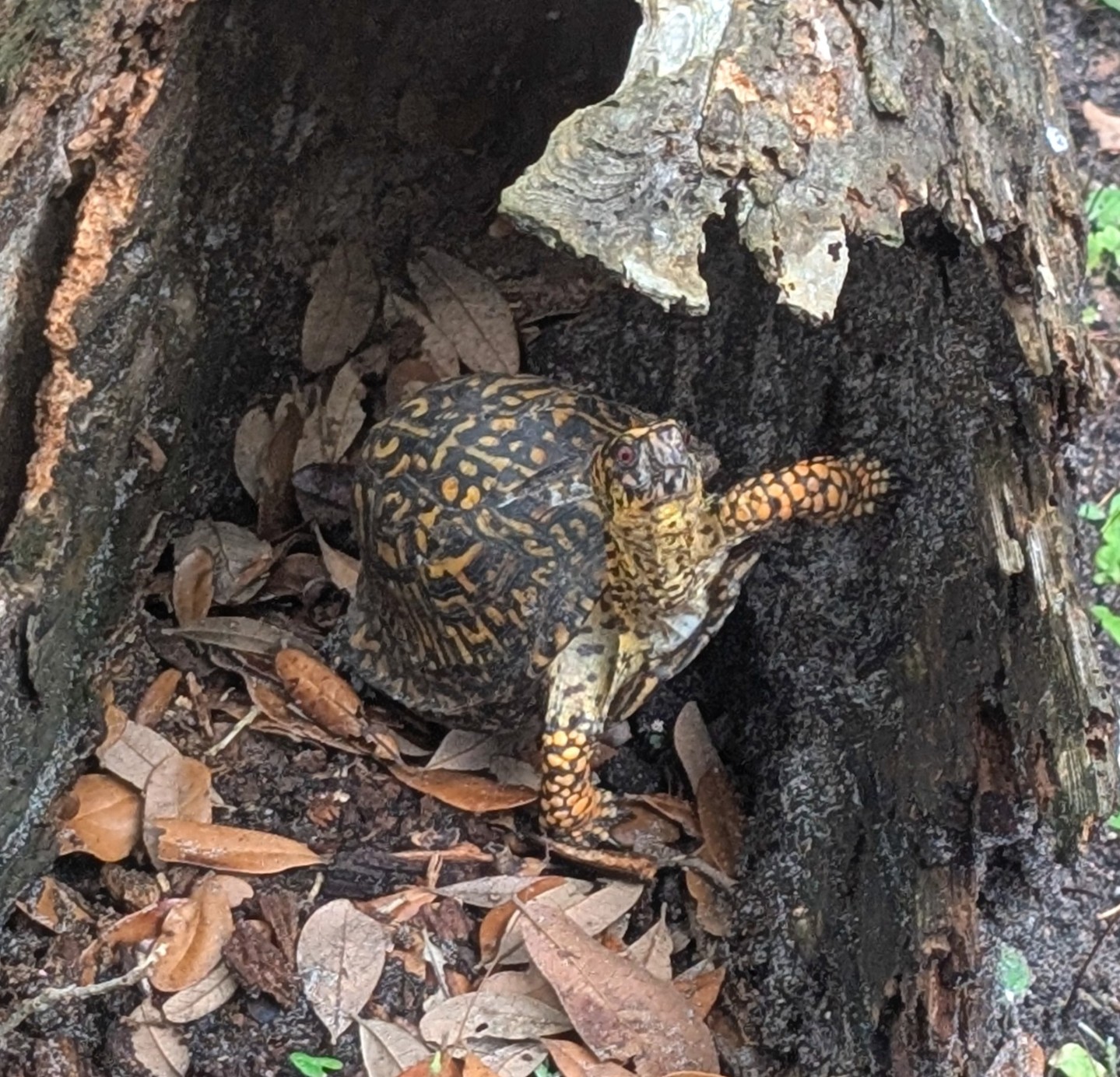
- Understanding the Behavioral Traits of Turtles
- The Importance of Model Behavior in Conservation
- The Role of Human Interactions in Turtle Welfare
- The Significance of a “Log Edition” Pose for Turtles
- Navigating Conservation Efforts for Turtle Populations
Turtles are fascinating creatures showcasing unique adaptations. Their behavior reflects resilience, survival skills, and, interestingly, a model-like demeanor in how they interact with their environment and other species. In this context, “When you’re 90% turtle but 100% model behavior” serves as a metaphor that perfectly illustrates the intricate balance between their natural instincts and their interactions with human beings and ecosystems.
Understanding the Behavioral Traits of Turtles
Turtles possess an array of behavioral traits tailored for survival. They are known for their slow and deliberate movements, embodying patience and caution in their daily activities. This behavioral pattern plays a crucial role in their survival strategy. Many turtle species, particularly those like the Eastern Box Turtle, use their shells both as protective armor and as a camouflage method. When threatened, they often retreat into their protective shells, a behavior that showcases their instinctual drive for self-preservation.
Additionally, turtles exhibit various social behaviors. They partake in communication through visual signals, vocalizations, and even limb gestures. For instance, mating rituals often involve specific postures and movements that attract potential partners. Understanding these behaviors illuminates the need for creating conducive environments for turtles, especially in captivity.
The Importance of Model Behavior in Conservation
Model behavior in wildlife conservation encapsulates the idea of embodying and promoting actions that contribute to the health of ecosystems. For turtles, this becomes vital. Habitats are often threatened by pollution, climate change, and urban development, impairing their natural behaviors. By cultivating model behavior in wildlife enthusiasts, conservationists can encourage responsible practices. This includes promoting awareness about plastic pollution and its impact on marine life, particularly for species like sea turtles that can ingest harmful materials mistaking them for food.
Model behavior extends to responsible pet ownership as well. When individuals opt to adopt turtles, understanding their needs and fostering a commitment to their care significantly enhances the well-being of these reptiles. Knowledge about their dietary requirements, habitat preferences, and social needs can positively influence both the individual turtle’s health and the species’ conservation status at large.
The Role of Human Interactions in Turtle Welfare
Human interactions significantly impact the welfare of turtle populations. As their natural habitats get disrupted, many turtles find themselves in contact with human surroundings more frequently. This proximity can yield both positive and negative outcomes. For instance, turtle rehabilitation centers can play an essential role in providing care for injured or sick turtles. These centers often emphasize education, helping visitors grasp the challenges turtles face in the wild and promoting conservation efforts.
On the other hand, human interference can lead to detrimental effects. Common issues like habitat destruction, illegal pet trade, and road fatalities pose grave threats to turtle populations. Educating the public about safe practices around turtle habitats, recognizing nesting sites, and minimizing disturbances during critical breeding periods can contribute significantly to their protection.
The Significance of a “Log Edition” Pose for Turtles
The term “Log Edition” threatens to conjure light-hearted imagery. However, it embodies a crucial aspect of turtle behavioral ecology. Turtles often adopt a "log" pose when basking in the sun or resting. This behavior is critical for thermoregulation as turtles are ectothermic, or cold-blooded. By positioning themselves on a log or a warm surface, turtles can regulate their body temperature efficiently, promoting vital physiological processes.
Additionally, basking serves another purpose: enhancing vitamin D synthesis, crucial for their overall health. Observing turtles basking in the “Log Edition” not only highlights their elegance but also underscores their need for specific environmental conditions. Conservationists often advocate for preserving basking habitats, ensuring that turtles have access to these vital spots.
Navigating Conservation Efforts for Turtle Populations
The plight of turtles worldwide calls for concerted conservation efforts. Various species are listed as endangered or threatened, primarily due to habitat loss, climate change, and other anthropogenic pressures. Conservation strategies encompass habitat restoration, public awareness campaigns, and legislative advocacy aimed at protecting turtle habitats.
For instance, nesting site protections can significantly impact turtle populations. Beachfront development often disrupts sea turtle nesting areas. Implementing regulations to monitor and protect these sites during crucial months can dramatically enhance hatching success rates. Furthermore, community involvement in conservation activities fosters a sense of ownership and responsibility, encouraging locals to protect and restore turtle habitats.
Collaborations between conservation organizations, educational institutions, and governmental bodies hold immense potential. Shared resources can lead to impactful research initiatives aimed at understanding turtle behavior, habitat use, and population dynamics. Such partnerships can also drive innovative solutions to conservation challenges, enhancing strategies for turtle welfare.
The integration of technology in conservation is a noteworthy trend. Using GPS tracking devices on turtles aids researchers in gathering data about their migratory patterns and habitat preferences. This information can be instrumental in informing conservation policies and habitat management plans.
By adopting model behavior in efforts to appreciate and safeguard turtles, we can collectively work towards ensuring their survival. Being ‘90% turtle but 100% model behavior’ calls us to reflect on our responsibility towards these magnificent creatures and their environment.
The fascination with turtles extends beyond their physiology and behaviors; it lays in understanding our role as stewards of the environment they inhabit. Life in ecosystems is interconnected, and maintaining the equilibrium through conservation efforts presents not just a necessity but a mandate for our generation. It is within our grasp to take actionable steps that promote turtle welfare while fostering a greater understanding of these remarkable beings.
*****
Source Description
When you’re 90% turtle but 100% model behavior. 🐢💃
Strike a pose, log edition.
