
- The significance of banding birds for research and conservation.
- The role of citizen science in tracking wildlife.
- Insights into the Roseate Spoonbill’s behavior and habitat.
- The collaboration between institutions like St. Augustine Alligator Farm and Audubon Florida.
- Community engagement in wildlife observation and research.
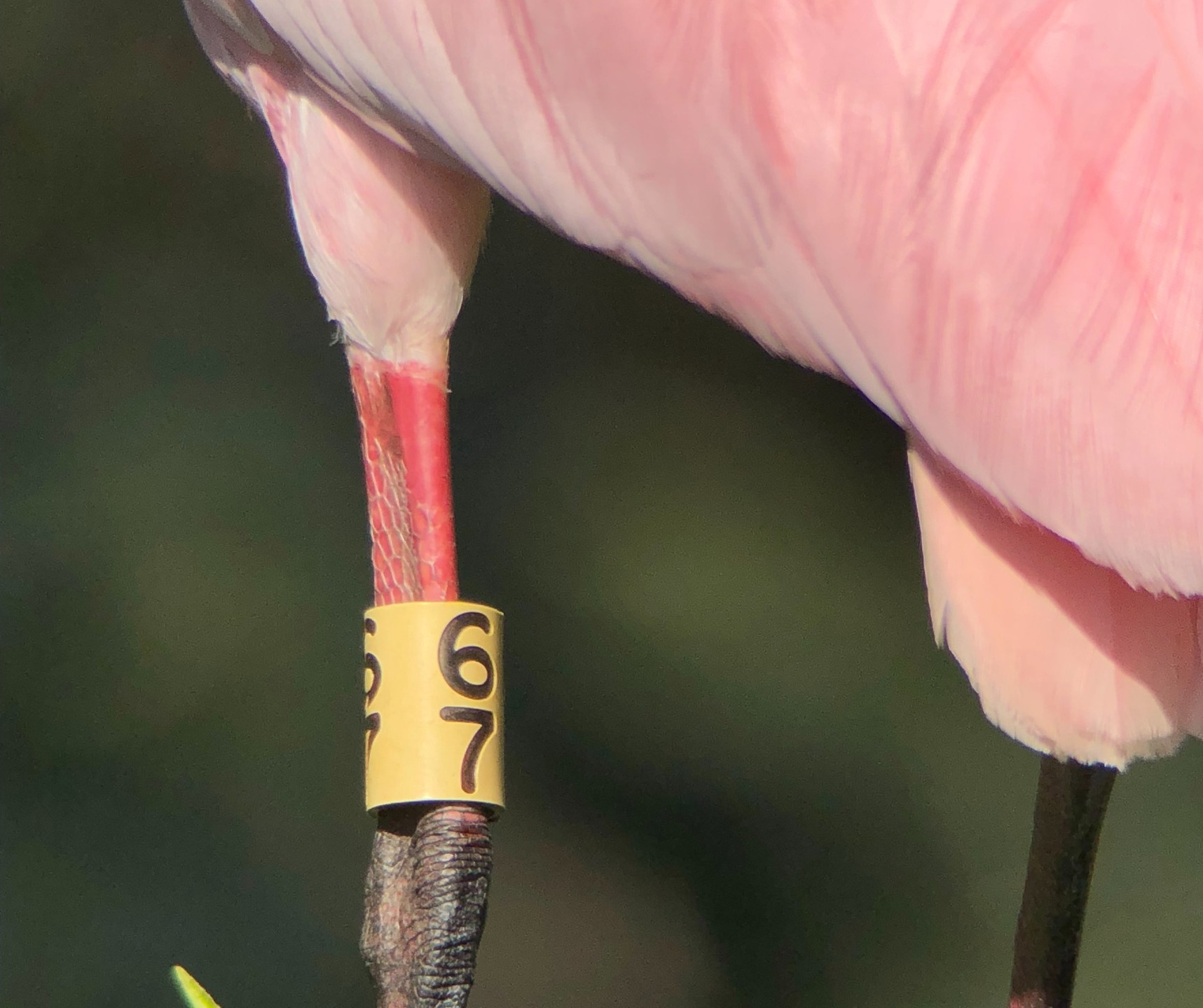
Bird banding has emerged as an essential tool in avian research and wildlife conservation. By attaching colored bands to the legs of birds, researchers can monitor their movement patterns, behaviors, and overall health. This method provides invaluable information regarding their habitats, migration paths, nesting locations, feeding grounds, and longevity. One particular bird that has captured attention at The Rookery, a focal area in St. Augustine Alligator Farm Zoological Park, is a Roseate Spoonbill known as “67.” This bird is a significant part of the zoo’s efforts to collect data and understand local ecosystems more profoundly.
Citizen science has evolved as a significant movement within wildlife research, allowing everyday individuals to contribute to scientific endeavors. The St. Augustine Alligator Farm collaborates with Audubon of Florida to motivate visitors to participate in monitoring wildlife. Through a citizen science program, guests are encouraged to submit photographs of any banded spoonbill they encounter. This collective effort amplifies the reach of scientific research, involving the community in a meaningful way. The gathering of such data helps fill in critical gaps in understanding these birds’ life cycles and their responses to environmental changes.
Focusing on the Roseate Spoonbill, this bird is easily recognized by its striking pink plumage and unique spoon-shaped bill. Adult Spoonbills typically display vibrant colors that vary based on their diet; the carotenoids in the organisms they consume contribute significantly to their coloration. These birds inhabit wetlands, marshes, and coastal areas, relying on both freshwater and saltwater ecosystems to thrive. Their feeding habits are fascinating. Spoonbills utilize their broad bills to sift through shallow waters in search of crustaceans, fish, and other small aquatic organisms. This foraging technique showcases the Spoonbill’s adaptability to diverse environments, further emphasizing the importance of preserving their habitats.
The partnership between the St. Augustine Alligator Farm and Audubon Florida underscores the significance of collaborative efforts in conservation. Audubon Florida is dedicated to the protection of essential bird habitats across the state. By joining forces, these institutions amplify their impact, raising awareness and inspiring awe among the visiting public. Programs like the one tracking Spoonbill 67 not only yield data that informs conservation strategies but also promote educational initiatives that foster respect for the environment. Through hands-on experience and engagement, communities learn the value of preserving local wildlife.
One of the most rewarding aspects of bird watching and observation is the sense of community it fosters. Many individuals, like a recent zoo guest named Bob, contribute to the mission of wildlife research simply by sharing what they encounter during their visits. This communal effort brings people together with a shared passion for nature and sustainability. It also inspires future generations of birders and conservationists, driving home the idea that everyone can have a role in protecting wildlife.
Tracking Spoonbill 67 offers a unique glimpse into the day-to-day life of a beautiful and iconic bird species. Over several years of monitoring, researchers gain insights into the bird’s movement patterns, breeding habits, and even its interactions with other species. Such information is imperative for formulating effective management strategies. As the environment changes due to human activity and climate change, understanding these dynamics will allow conservationists to act promptly to protect vulnerable populations.
The data collected from banding birds like Spoonbill 67 extends beyond just tracking the life of one individual bird; it becomes part of a broader understanding of ecosystem health. The health of bird populations can serve as an indicator of environmental shifts. By monitoring their condition and survival rates, researchers can assess the state of local habitats and implement timely conservation measures.
Moreover, bird banding and related research also produce educational materials and programs. Schools can use real-world data to teach students about ecology, biology, and environmental science. Real testimonies from citizen scientists can be used as case studies to demonstrate the power of collective action. Engaging the public in scientific research nurtures an informed, eco-conscious community eager to advocate for the environment.
As Spoonbill 67 continues to grace The Rookery, its legacy represents a commitment to wildlife observation and conservation. The bird is not just a data point; it symbolizes the importance of collaboration between researchers and the community. The insights gained from its banding will enhance our understanding of the biodiversity present in Florida’s ecosystems.
Participating in wildlife observation can be a rewarding experience, resulting in personal fulfillment and a greater understanding of local wildlife. As with Spoonbill 67, individuals who share insights about various species contribute to the collective data. With the participation of concerned citizens, researchers can create a comprehensive picture of avian behavior and requirements. This synergy lays the groundwork for informed future efforts aimed at habitat restoration and protection.
The availability of technology today has transformed how individuals engage with wildlife research. Instant sharing on social media and other digital platforms means that sightings can be reported in real-time. This capability empowers people to contribute to conservation efforts like never before. The enthusiasm surrounding Spoonbill 67 showcases the ease with which communities can come together to protect their environment.
Through projects like those featured at the St. Augustine Alligator Farm, awareness is raised about the role of stewards of the environment. Experiencing wildlife up close encourages a sense of responsibility. The educational tours and interactive exhibits highlight the importance of understanding the species that inhabit our surroundings. By focusing on education and engagement, facilities can inspire conservation action.
In summary, understanding and protecting avian species like Spoonbill 67 involves a multi-faceted approach. Banding provides critical data that informs conservation strategies, while citizen science enhances community involvement. Organizations work together, maximizing their contributions to the field of wildlife research. The legacy of Spoonbill 67 serves as a reminder that each observation contributes to a broader understanding of ecology and conservation. Through active community engagement, we can cultivate a future where such enchanting birds and their habitats are preserved for generations to come.
The story of Spoonbill 67 is significant not only as a case study in bird behavior but also as a testament to the power of collective action in wildlife conservation. The engagement of citizens in monitoring banded spoonbills reflects a growing trend toward fostering environmental stewardship. Each image captured and submitted by visitors like Bob represents a commitment to understanding and protecting wildlife, affirming that every observer can contribute to the study and care of our precious ecosystems.
*****
Source Description
Which bird thinks “tagged” means they’re now internet famous? Six sevennn 😆
Our General Curator Gen was really setting up the delayed punchline when she tagged this chick “67” in The Rookery in 2016. One of our zoo guests, Bob, grabbed a photo of the bird’s band this week and sent it to us, as part of our citizen science Field Research program in The Rookery. The St. Augustine Alligator Farm Zoological Park, in partnership with Audubon of Florida, asks guests to submit photos of any banded spoonbill. We use these identifying bands to track the birds’ movements, which provides valuable data about their habitats, migration paths, nesting and feeding grounds, and lifespan. For information about this research, visit audubon.org/florida/news/calling-all-bird-enthusiasts-have-you-seen-banded-spoonbill
Enjoy these photos that showcase Spoonbill 67 throughout its time in The Rookery.
