
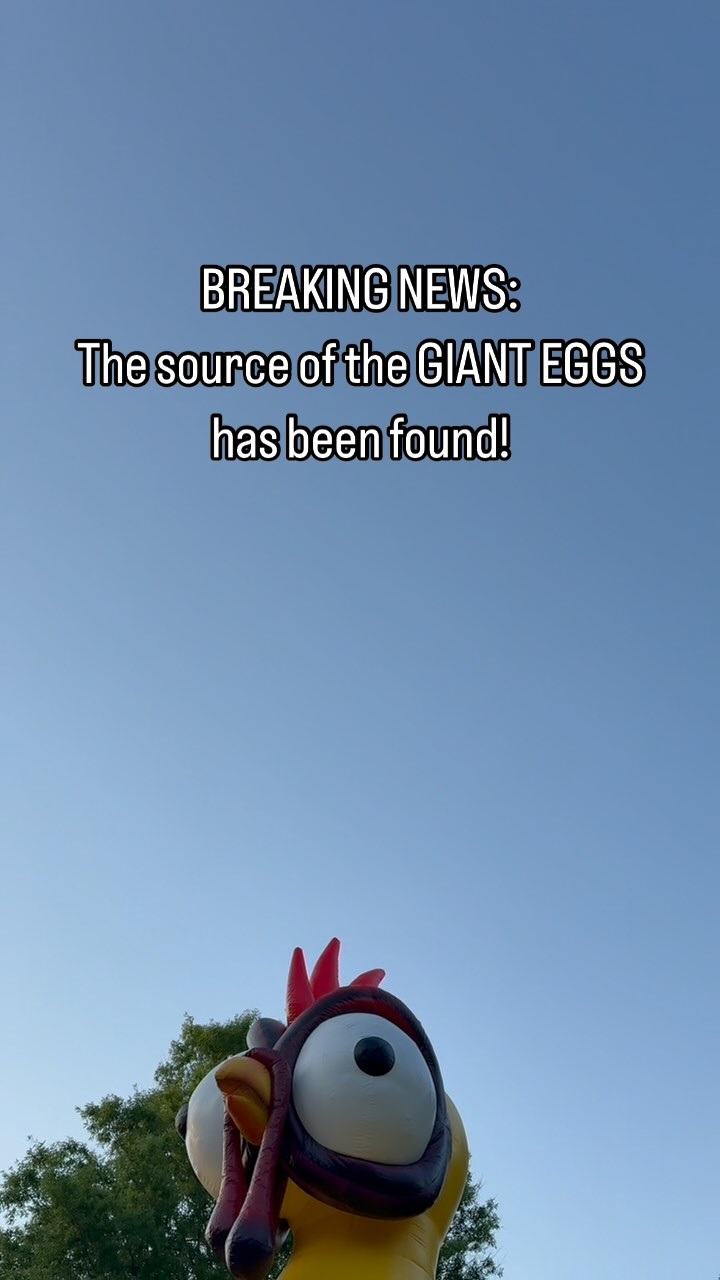
- The evolutionary journey of chickens and eggs.
- Significance of eggs in avian biology and reproduction.
- The role of domestication in chicken development.
- Cultural and historical contexts of chickens and eggs.
- Conservation efforts related to poultry and biodiversity.
The question of what came first, the giant chicken or the giant egg, invites exploration into the evolutionary history of these creatures. Understanding this progression requires looking at the biological foundations of birds and eggs. The evolutionary lineage leading to modern chickens offers insights into their development over millions of years.
Chickens are descendants of wild birds known as junglefowl, specifically the Red Junglefowl (Gallus gallus). The domestication process began around 8,000 years ago in Southeast Asia. Early humans selectively bred these birds for desired traits like size, egg production, and temperament. This has resulted in various breeds displaying numerous characteristics, from appearance to behavior. The chicken we know today is far removed from its ancestors, yet it continues to lay eggs—an essential biological function.
Eggs serve distinct reproductive purposes in avian biology. The egg is not just a vessel for embryos; it provides nutrients, protection, and a controlled environment for developing chicks. Avian eggs are characterized by a hard shell made primarily of calcium carbonate, which allows for gas exchange while preventing the entry of harmful microorganisms. This evolutionary adaptation is critical for the survival of the species, allowing eggs to be laid in different environments.
The chicken egg illustrates the importance of eggs in avian reproduction. It comprises several components: the egg white (albumen), yolk, and shell membranes. Each serves specific functions, such as cushioning the embryo and providing essential nutrients. The presence of these layers is a sophisticated adaptation, allowing embryo development while keeping it safe from external threats.
Domestication has dramatically changed the life cycles of chickens. Early poultry keepers might have chosen birds based on egg-laying ability or size. Some large breeds have emerged due to selective breeding. The creation of so-called “giant” breeds was often based on consumer demands for larger eggs or more meat. Over generations, these chickens have been bred to produce eggs that are larger than those laid by their wild ancestors.
The historical significance of chickens and eggs can be observed across cultures. In many societies, chickens are symbols of prosperity and fertility. Eggs, particularly during Easter, represent rebirth and renewal. These symbols transcend geography and time, demonstrating how humans have closely intertwined their lives with poultry.
In addition to cultural significance, eggs play a critical role in the biodiversity of various ecosystems. The domestication of birds, including chickens, has impacted wild populations. The hybridization of domestic and wild birds can threaten genetic diversity. Conservation efforts are urgently needed to preserve the natural genetic stock of avian species. Initiatives aim to protect wild junglefowl and other avian species that possess genetic characteristics essential for future poultry developments.
Chickens and their eggs are not merely innocent subjects of thought experiments; they embody complex biological processes and rich historical contexts. Understanding these thoughts enhances our appreciation of the significance of poultry within ecosystems, agriculture, and culture.
The giant chicken and giant egg are dynamic subjects of inquiry in zoology. From an evolutionary perspective, the egg holds precedence. The genetic mutations that led to the first chicken likely occurred within an egg laid by a bird that was not quite a chicken. This fact demonstrates the evolutionary continuum that defines life on Earth. As such, the egg is pivotal in the discussion of chicken development.
A deeper look into chicken biology reveals that they are fascinating creatures with complex behaviors. Chickens are social animals with intricate social structures. They establish pecking orders, which dictate their interactions and hierarchies within flocks. Understanding these behavioral traits not only reveals the intricacies of chicken life but also aids in animal husbandry techniques that enhance their care and management.
Moreover, agricultural practices are evolving alongside societal needs. The push for sustainable farming taps into traditional knowledge while innovating how we manage poultry. Free-range systems contrasting with intensive farming highlight the different philosophies surrounding chicken rearing. These systems not only affect the chickens’ quality of life but also impact the nutritional quality of the eggs. Organic and pasture-raised eggs are gaining popularity among consumers who seek healthier options while supporting animal welfare.
Eggs are also a topic of scientific study beyond their nutritional importance. The study of eggshell formation and the various factors that affect egg quality has implications for both agriculture and food safety. Research continues into how nutrition, stress levels, and environmental conditions influence egg production.
During seasonal events, such as the upcoming EGGZ-otic Egg Hunt, a range of activities brings communities together. These events often celebrate the importance of eggs while educating the public about poultry biology. Activities like egg decorating and egg hunts engage families and foster an appreciation for the connection between agriculture and community traditions.
From breeding practices to conservation initiatives, the journey of the chicken and its egg forms an intricate web of biological and cultural threads. The giant chicken and giant egg are not simply figures of thought experiments; they represent a confluence of evolutionary history, agricultural practices, and cultural significance.
Additionally, this inquiry challenges broader assumptions about biological reproduction and evolution. It poses questions about the nature of species and the meanings we assign to them in our daily lives. The discussions surrounding chickens and eggs encompass broader themes in zoology, ecology, and even human culture, showing how one can learn much from these seemingly simple creatures.
Long-term conservation strategies are essential in safeguarding not just chickens but the myriad of species that share their environment. Native birds must be protected from habitat loss and encroachment by domestic species. Initiatives that promote biodiversity within poultry populations aim to maintain genetic health and protect against disease outbreaks.
Public interest can also promote educational efforts in schools and communities, emphasizing the significance of wildlife conservation. Engaging youth through events like the EGGZ-otic Egg Hunt fosters awareness and generates interest in natural sciences. Instilling a sense of responsibility toward the environment is crucial for future generations.
As we continue to explore the evolutionary history of chickens and their eggs, we also gain insight into animal welfare. Awareness surrounding how chickens are raised, treated, and bred informs consumer choices. This understanding can spur discussions about ethical practices in agriculture and the welfare of animals.
The life cycle of chickens, from egg production to hatching, illustrates the beauty of nature’s designs. The moment a chick breaks free from its egg is a vivid reminder of life’s cycles. It emphasizes our responsibility in caring for these animals and understanding their role in ecosystems.
This analysis of giant chickens and eggs promotes a multifaceted understanding of wildlife and agricultural practices. By studying their evolution, biology, and cultural significance, stakeholders can create systems that benefit both humans and wildlife. Fostering a connection between the public and these creatures allows for more informed conservation efforts, ultimately benefiting diverse ecosystems and agricultural practices.
Amidst discussions about giant chickens and their giant eggs, ongoing enlightenment remains crucial. In fostering appreciation and understanding, we create a stronger commitment to conservation and responsible stewardship. The interplay between human culture and wildlife survival continues to be a pivotal aspect of our shared future. Every conversation about poultry brings us one step closer to harmonizing our existence with the natural world.
The EGGZ-otic Egg Hunt not only offers a fun-filled day but also highlights the need for education about chickens, eggs, and their roles in our ecosystems. Events like these symbolize a bridge between human culture and the natural environment, reinforcing why understanding chickens and their eggs is vital for a harmonious future.
*****
Source Description
What came first… the GIANT CHICKEN… or the GIANT EGG??
Meet Chica the Chicken TODAY at our EGGZ-otic Egg Hunt from 10 am- 4pm! We have Easter activities, delicious food, and AMAZING prizes!
