
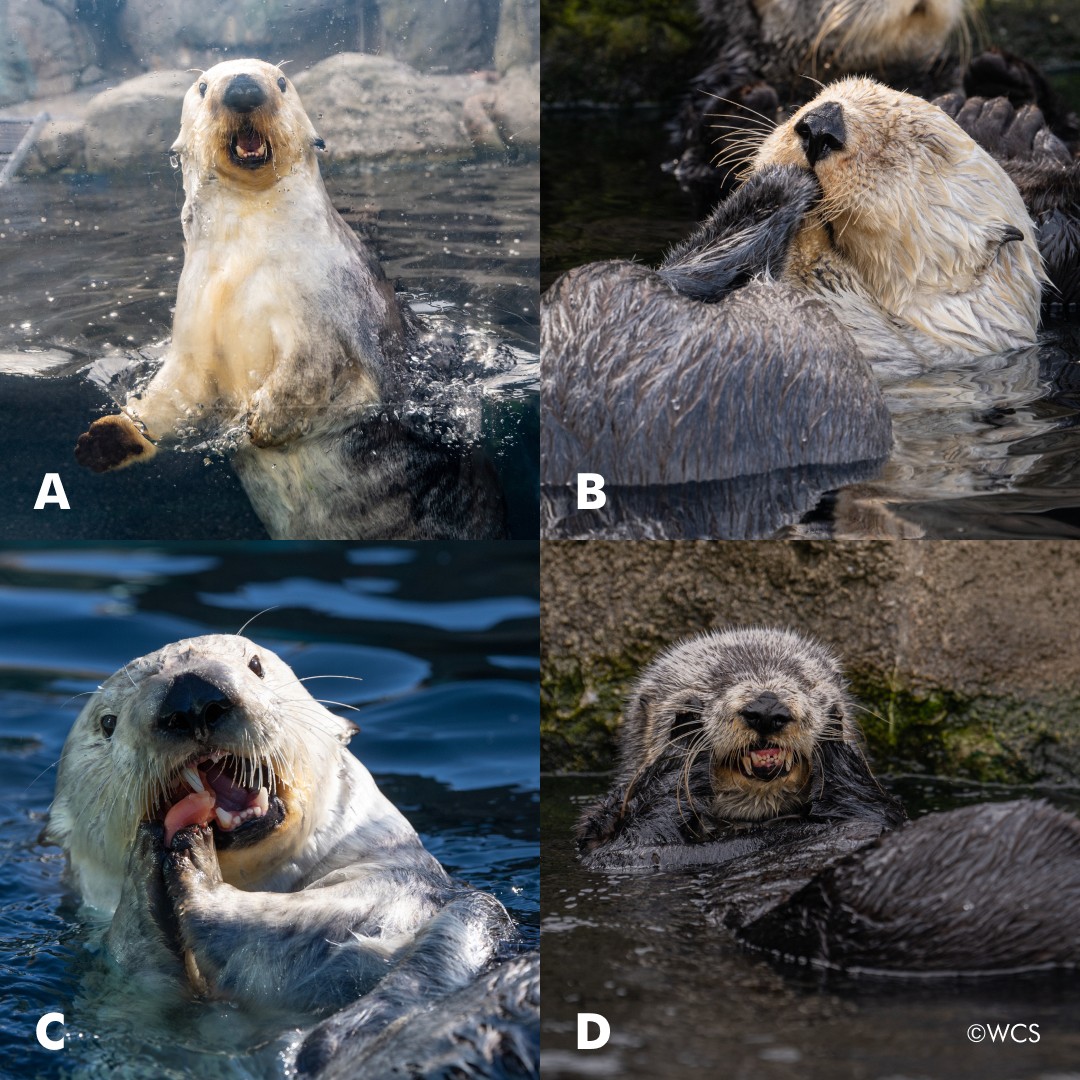
- The biological characteristics of southern sea otters.
- The ecological role of southern sea otters in marine ecosystems.
- Conservation status and efforts for southern sea otters.
- Interactions between southern sea otters and human activities.
- Personal connection to southern sea otters and what they signify.
Southern sea otters (Enhydra lutris nereis) are fascinating marine mammals, easily identifiable by their thick, brown fur and playful behavior. They are pivotal players in the coastal marine ecosystem, primarily found along the California coast. Understanding their biology, ecological roles, and conservation challenges provides deeper insight into their significance and the human impact on their populations.
The southern sea otter exhibits several biological traits that contribute to its adaptability and social behavior. Adult otters typically weigh between 50 to 100 pounds and measure about 4 to 5 feet in length. Their fur is the densest of any animal, with approximately 600,000 to 1 million hair follicles per square inch, a feature crucial for insulation in cold water. Unlike other marine mammals, southern sea otters lack a layer of blubber, so their fur plays a vital role in maintaining body temperature. Their diet includes invertebrates such as sea urchins, crabs, and mollusks, making them adept hunters. They have evolved a unique technique of using tools, often utilizing rocks to crack open shellfish, showcasing their intelligence.
The ecological role of southern sea otters is both significant and multifaceted. By preying on sea urchins, they control the population of these herbivores, which, if left unchecked, can lead to overgrazing of kelp forests. Kelp ecosystems not only provide habitat for various marine species but also serve as a buffer against coastal erosion. The presence of otters thus supports a diverse marine environment, showing that they are essential for maintaining the balance within their ecological niche. This top-down control mechanism demonstrates the interconnectedness of species and highlights the need for healthy predator-prey relationships in marine systems.
Southern sea otters have faced numerous challenges that threaten their survival. Once abundant across the northern Pacific coast, their populations dramatically declined due to fur trading in the 18th and 19th centuries. Their current status is classified as threatened under the Endangered Species Act. Conservation efforts have been implemented over the past few decades to protect these animals and their habitats. One notable initiative involves the establishment of marine protected areas (MPAs), which restrict certain human activities to safeguard critical habitats. Scientists and conservationists work collaboratively, monitoring populations and addressing threats such as oil spills, habitat degradation, and disease. Restoration programs focus on creating healthy coastal ecosystems, benefiting both sea otters and other marine life.
Interactions between southern sea otters and human activities present both challenges and opportunities. Coastal development and pollution have a profound impact on soil and water quality, affecting the health of marine ecosystems. Otters often venture closer to urban areas, which can lead to conflicts with fishing industries. The perception of southern sea otters as competitors for shellfish has sparked debates among fishermen and conservationists. It is crucial to forge a path that balances human interests with ecological needs. Public education initiatives highlight the importance of southern sea otters in their ecosystems, advocating for sustainable practices that protect both marine life and local livelihoods.
Personal connections to southern sea otters often resonate on multiple levels. For many, they represent a symbol of marine conservation, embodying the ongoing efforts to restore health to coastal ecosystems. Observing their playful nature can evoke feelings of joy and compassion, reminding us of the beauty and complexity of marine life. This connection may inspire individuals to engage in environmental stewardship, whether through volunteering, participating in educational programs, or advocating for policies that support marine conservation. Recognizing which attributes of southern sea otters resonate can deepen this bond, fostering a sense of responsibility to protect these remarkable animals and their habitats.
Southern sea otters possess a unique blend of characteristics that captures the imagination. Their playful demeanor, intelligence, and vital ecological roles illustrate their importance in marine environments. Understanding their biology, ecological significance, and conservation status helps build a strong case for their protection. Engaging with the public about these issues fosters awareness and appreciation for the complexities of marine ecosystems. As we reflect on our personal connections to southern sea otters, it becomes apparent that preserving their populations is not just about saving a species; it’s about maintaining the health of our oceans. Through collective action and awareness, we can support southern sea otters and the delicate balance of marine life they help sustain.
*****
Source Description
Which southern sea otter do you relate to today? Tell us in the comments!
