
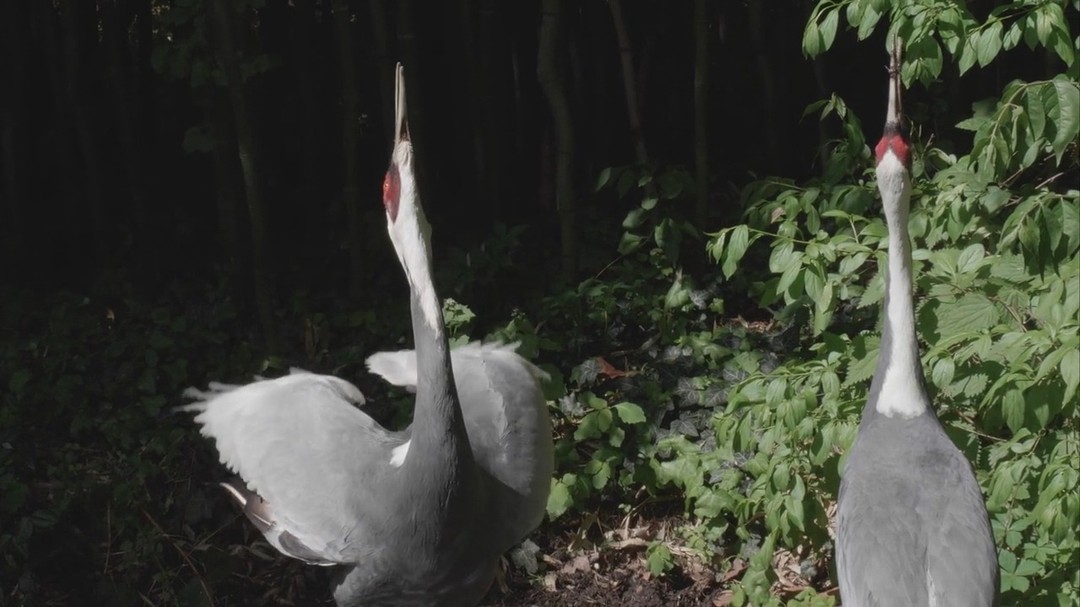
- Understanding the breeding behaviors of white-naped cranes during their spring display.
- The significance of monogamous pair bonding in white-naped cranes and its implications for their population.
- An overview of the white-naped crane’s conservation status and the factors contributing to their vulnerability.
- The role of habitat preservation and management for the survival of white-naped cranes.
- Human impact on white-naped crane habitats and efforts for their conservation.
In observing the courtship displays of white-naped cranes, one witnesses a captivating ritual that is pivotal to their breeding success. Their breeding season spans from April to June, coinciding with the warming temperatures and increased availability of resources. During this period, mated pairs engage in unison calling, a complex series of coordinated vocalizations that communicate their bond and readiness for nesting. This vocal display is both a declaration of their partnership and a method to ward off potential rivals. When calling, these cranes stand with heads thrown back and beaks pointed skyward, creating a visual spectacle that complements their vocalizations. This combination of posture and sound serves multiple purposes: it attracts mates, solidifies pair bonds, and asserts territory.
The bonding rituals of white-naped cranes extend beyond vocalizations. These birds are known for their strong monogamous relationships, often forming lifelong partnerships. This enduring bond is essential for the species’ reproductive success, as it fosters cooperation in nesting and parental duties. The formation of such bonds largely influences their overall reproductive performance. Research demonstrates that mated pairs exhibit coordinated behaviors, enhancing the likelihood of successful offspring rearing. This extended parental commitment contributes to the survival of the young.
Despite their remarkable behaviors, white-naped cranes are currently classified as Vulnerable on the IUCN Red List. With an estimated population of only 6,700 to 7,700 individuals left in the wild, conservation efforts are crucial. This designation signals a substantial risk of extinction due to various anthropogenic factors, including habitat destruction, pollution, and climate change. The alarming decline in their population can be attributed mainly to habitat loss caused by agricultural expansion, urban development, and industrial activities.
To address this situation, habitat preservation is essential. Wetlands are a critical component of their ecosystem, providing food, shelter, and nesting sites. Protection of these areas is fundamental for maintaining white-naped crane populations. Effective management of wetland habitats involves not only safeguarding existing sites but also restoring degraded areas. Strategies may include minimizing water pollution and associated contaminants, employing sustainable agricultural practices, and establishing protected areas that can serve as sanctuaries for these birds.
Human activity significantly impacts the habitats of white-naped cranes. Changes in land use, including the conversion of wetlands to rice paddies, often come at a cost. While rice paddies do provide some suitable habitat, they can create altered environments that may not support the ecological needs of cranes as effectively as natural wetlands do. Furthermore, excessive water extraction for irrigation and industrial purposes can diminish the water levels in crucial breeding and feeding areas. Habitat fragmentation makes it challenging for cranes to access resources, further exacerbating their vulnerability.
Conservation measures are being rolled out worldwide to address these challenges. Efforts include international collaboration among countries that share migratory routes of white-naped cranes. Such cooperation is vital in establishing protected areas and migratory corridors that allow safe passage for these birds. Organizations focusing on avian conservation work with governments and local communities to promote awareness and engagement in conservation initiatives. Educational outreach programs help underscore the significance of preserving biodiversity and maintaining healthy ecosystems.
In addition to habitat protection, research that informs conservation strategies is paramount. Studies examining the breeding behaviors, population dynamics, and migratory patterns of white-naped cranes facilitate targeted conservation actions. Long-term monitoring programs are essential for assessing population changes and understanding the effectiveness of implemented measures. This comprehensive approach provides a framework for adaptive management, ensuring that conservation strategies remain responsive to emerging threats.
Captive breeding programs also play a significant role in sustaining white-naped crane populations. Zoos and wildlife reserves often participate in such programs, focusing on breeding individuals to augment wild populations. These initiatives involve meticulous record-keeping and genetic management, ensuring that the captive individuals maintain a diverse genetic background. The ultimate goal is to facilitate the reintroduction of captive-bred cranes into their natural habitats, thereby bolstering wild populations.
The graceful behavior of white-naped cranes during their courtship serves as a poignant reminder of the delicate balance of nature. Their monogamous relationships and elaborate displays for breeding are critical for their survival. As ecological stewards, it is vital that humans recognize their role in preserving habitats and maintaining biodiversity. Through collective efforts to protect these majestic birds and their environments, we can ensure the future of white-naped cranes remains bright.
To deepen public understanding of these captivating birds, various media platforms play an essential role. Documentaries, social media campaigns, and educational programs help raise awareness about the plight of the white-naped cranes. Visual representations of their displays, like those seen in online platforms, can inspire greater appreciation for these animals and the ecosystems they inhabit. By fostering a connection with wildlife, individuals may feel compelled to support conservation initiatives.
In conclusion, the white-naped crane serves as both a symbol of natural beauty and an indicator of environmental health. Their courtship displays reveal not only their biological needs but also the broader ecological challenges they face. Protecting these cranes requires a multifaceted approach that encompasses habitat conservation, community engagement, and ongoing research. Initiatives must aim not just to preserve a species but also to support the intricate web of life that these birds represent. Fostering partnerships across geographic boundaries can empower local communities and inspire global efforts for avian conservation. Ultimately, the fate of the white-naped crane rests in the hands of those who value and protect the environmental legacy we share.
*****
Source Description
In this we see two white-naped cranes displaying. Their breeding season is in the spring, from April to June. Mated pairs engage in unison calling, a series of extended and coordinated vocalizations. The birds stand in a specific posture, with their heads thrown back and their beaks skyward during the display. White-naped cranes are monogamous and may bond for life. These elegant birds are listed as Vulnerable on the IUCN Red list with only around 6,700 to 7,700 individuals remaining in the wild.
