
- Ownership Structures of Zoo Animals
- Regulations Guiding Animal Transport
- The Transportation Process: Safety and Protocols
- The Role of Zoos in Conservation
- Event Information and Community Engagement
Ownership Structures of Zoo Animals
Understanding who owns the animals at a zoo is fundamental to grasping zoo operations. Every zoo operates under a distinct ownership structure that may involve public entities, private organizations, or non-profit organizations. Many public zoos are state or city-owned, funded partly through taxpayer dollars and often philanthropic contributions. These zoos are accountable to the public and must adhere to strict guidelines set forth by government agencies.
On the other hand, privately owned zoos may have different motivations. They can focus on profit generation, conservation, or educational missions. Regardless of ownership, all zoos must comply with federal regulations, particularly the Animal Welfare Act. This law sets standards for the humane treatment of animals, stipulating their living conditions, enclosures, and general well-being.
Moreover, many zoos participate in cooperative breeding programs, where animals are considered as part of a larger population managed through associations like the Association of Zoos and Aquariums (AZA). This collaboration enables zoos to share genetic material, ensuring healthier populations and supporting species conservation efforts.
Regulations Guiding Animal Transport
When it comes to transporting animals from one zoo to another, several regulations come into play. The United States Department of Agriculture (USDA) has established guidelines to safeguard animal welfare during transportation. These rules cover various aspects including vehicle type, travel duration, housing conditions during transit, and the need for veterinary checks prior to movement.
Additionally, the Convention on International Trade in Endangered Species (CITES) governs how endangered species can be transported across borders. CITES restrictions aim to prevent species overexploitation and ensure that international movements do not threaten survival. For zoos operating globally, adhering to these regulations is essential for legal compliance and ethical standards.
Zoos must also be equipped to handle emergencies during transport. This preparedness might involve having veterinary staff on standby and ensuring that each transport vehicle is conducive to the animals’ needs, including temperature control and space for movement.
The Transportation Process: Safety and Protocols
Transporting animals between zoos requires careful planning and execution, focusing on the animals’ safety and comfort. Upon selection for transport, animals are assessed, and their health is evaluated by veterinarians. This assessment includes verifying vaccinations and overall fitness for travel.
The next step involves determining the appropriate methods of transport. Animals might be moved using cargo planes, specialized trucks, or even boats, depending on the distance and species involved. Each mode of transport has specific requirements. For instance, larger animals may necessitate custom crates that accommodate their size and provide adequate ventilation.
Loading procedures are another critical phase. Staff are trained to minimize stress to the animals during this time. Careful techniques ensure that the animals feel secure while being loaded into transport crates. Checks are routinely conducted during transit to monitor the animals’ condition, with stops made as necessary to provide food and water.
The Role of Zoos in Conservation
Zoos play an integral role in global conservation efforts, focusing on both local and international initiatives. Through breeding programs, many zoos are actively contributing to the recovery of endangered species. These programs are often managed through meticulously structured genetic databases, allowing zoos to track and prioritize breeding pairs that will enhance genetic diversity.
Moreover, many zoos partner with wildlife conservation organizations to fund and support habitat protection initiatives. By raising awareness about threatened species, zoos can educate the public and generate the funds necessary for on-the-ground conservation work. This advocacy extends to educational programs that can instill a sense of responsibility and awareness in communities.
Additionally, zoos participate in research aimed at understanding animal behavior, reproduction, and genetics. This research can help inform conservation practices in natural habitats. It’s important to note that modern zoological facilities recognize their responsibility to not only house animals but also to contribute positively to wider ecological systems.
Event Information and Community Engagement
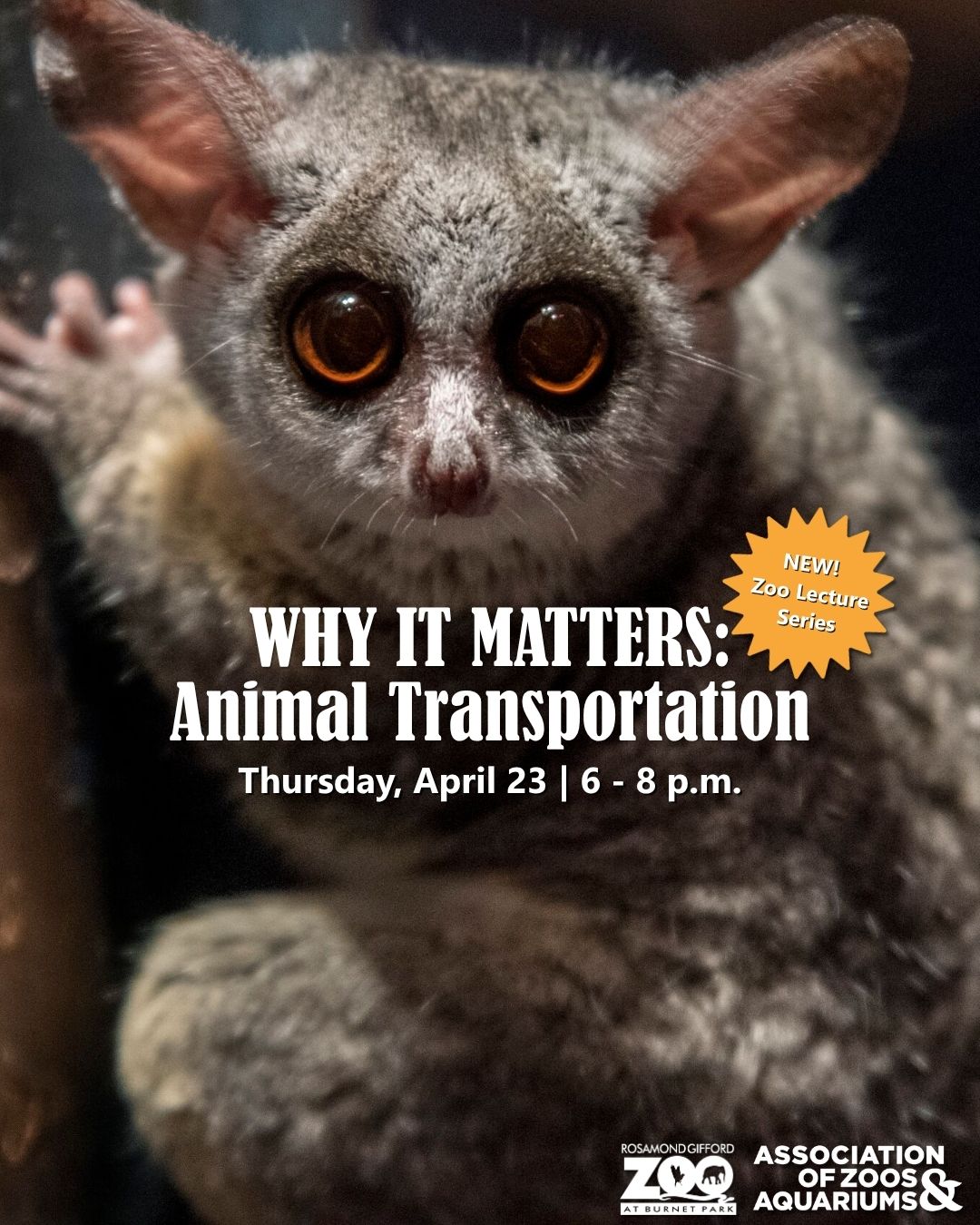
On Thursday, April 23, from 6 to 8 p.m., attendees are invited to learn more about animal ownership and transport in a dynamic new lecture series titled “Why It Matters.” This program provides a unique opportunity for community members to gain insights into the logistics and ethics of animal movement.
The event promises refreshments prepared by the award-winning Catering at the Zoo team. It not only offers educational benefits but also fosters community connections among participants who share a passion for wildlife and conservation. Discussions will center around the importance of understanding animal ownership and the intricacies involved in safely moving animals from zoo to zoo.
Tickets for this enlightening experience are priced at $50 each, with discounts available for zoo members. Registration is encouraged to secure a spot. The discussions will illuminate the complexities of animal management and underscore the commitment of modern zoos to provide exceptional care and promote global conservation efforts.
This event is more than just a lecture; it’s an invitation to become part of the conversation about animal welfare and the crucial role that zoos play in protecting wildlife. Those interested can find a registration link in the bio, making it easy to reserve a place and engage in this timely topic.
As we collectively strive for a deeper understanding of wildlife management and conservation, events like this serve as essential gatherings. They not only inform attendees but also inspire a community committed to environmental stewardship. Engaging in discussions about ownership, transport, and conservation fosters a collective responsibility, enhancing public awareness and support for zoos and their vital missions.
*****
Source Description
Have you ever wondered who owns the animals at the zoo? Or how animals are safely transported from one zoo to another? Join us on Thursday, April 23, from 6 to 8 p.m., for your chance to learn the ins and outs of animal ownership, transport, and everything else that goes into moving a zoo animal from point A to point B at our NEW lecture series, Why It Matters!
Enjoy refreshments provided by our award-winning Catering at the Zoo team and leave with a deeper understanding of the work that we do to provide exceptional animal care and world-wide conservation. Tickets are $50 per person. Members receive a discount.
Register today! Link in bio.
