
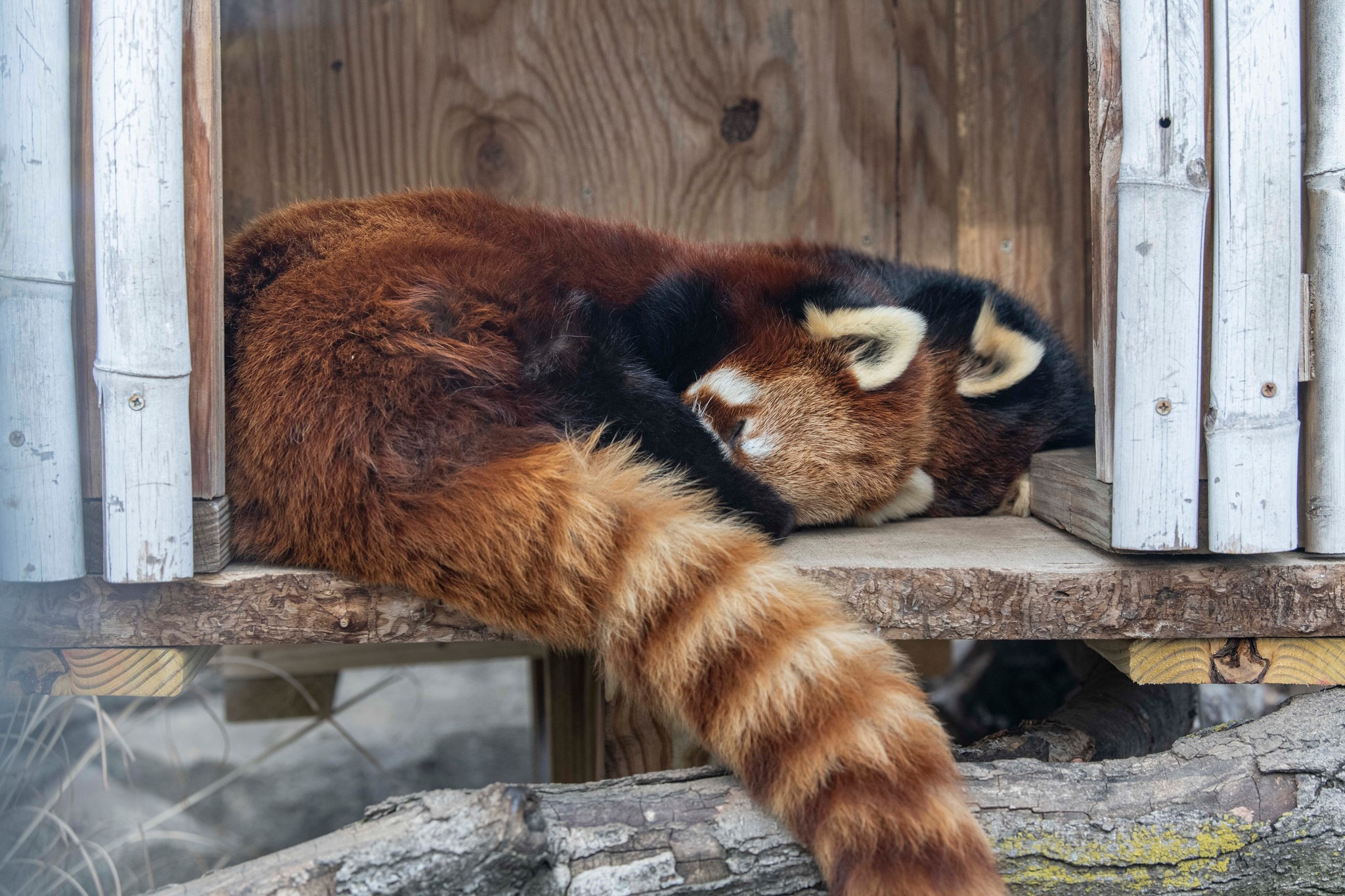
- Understanding the impact of zoos on wildlife conservation.
- Exploring the management and operational strategies of modern zoos.
- The role of education in zoo exhibitions and conservation efforts.
- An overview of species recovery programs and their significance.
- The ethical considerations surrounding zoo practices and wildlife welfare.
Zoos have garnered attention over the years for their role in wildlife conservation. They are sanctuaries for endangered species and educational centers for visitors. The impact of zoos on wildlife conservation is profound; they provide critical support for numerous programs aimed at preserving biodiversity. Many species are facing extinction due to habitat loss, poaching, and climate change. Zoos play a pivotal role in raising awareness about these challenges, showcasing endangered wildlife, and fostering a greater appreciation for these animals.
Modern zoos are not just cages filled with exotic animals. They emphasize wildlife preservation over mere entertainment. Managing a contemporary zoo involves multiple layers of expertise. Responsibilities range from animal care and habitat design to educational programming and community outreach. Effective zoo management requires staff to collaborate across departments. Keepers, veterinarians, educators, and researchers all work together to create environments that promote the health and well-being of the animals.
Education is another cornerstone of zoo operations. Zoos serve as platforms for public enlightenment. They provide immersive experiences that can foster a connection between visitors and wildlife. Interactive exhibits allow guests to learn about animal behavior, habitats, and conservation efforts firsthand. Through engaging educational programs, zoos aim to motivate visitors to take action. This can include advocating for species protection or participating in local conservation projects.
Zoos also participate in species recovery programs, which are essential for saving numerous animals from extinction. Through breeding initiatives, zoos can help bolster populations of endangered species, ensuring genetic diversity and health. One well-known example is the California condor recovery program, which has successfully increased the population of this critically endangered bird. Such programs often involve extensive research on species needs and collaborative efforts with other conservation organizations. By creating breeding plans and reintroduction strategies, zoos play a vital role in restoring species to their natural habitats.
Ethical considerations surrounding zoo practices include animal welfare and the larger impact of captivity. The debate about whether it is right to keep animals in captivity adds complexity to discussions about zoos. While some argue that captivity can never replicate the wild experience, others highlight the welfare benefits that modern zoos provide. Advanced veterinary care, enriched environments, and behavioral management are just a few advantages. These facilities often engage in intensive research aimed at improving animal care.
The focus of contemporary zoos is on creating environments that meet the physical and psychological needs of their inhabitants. This often involves designing naturalistic habitats that encourage species-typical behaviors. For example, zoos might incorporate climbing structures or water features that mimic wild environments. Enrichment programs are also essential; they include activities designed to stimulate animals’ natural instincts and promote mental engagement.
Research in zoos contributes significantly to the field of zoology. Scientists study animal behavior, genetics, health, and ecology in captive settings. This research not only benefits individual species but also informs conservation efforts at large. Findings from zoo studies can lead to new strategies for wildlife conservation in the wild. Collaborative research between zoos, universities, and conservation organizations strengthens the impact of these efforts.
Moreover, zoos are adapting to meet the challenges of wildlife conservation in the 21st century. Climate change poses a significant threat to many ecosystems and species. Zoos are reexamining their roles, focusing on promoting resilient wildlife and addressing the broader impacts of environmental degradation. By raising awareness of climate-related issues, zoos can inspire action in visitors, encouraging them to become stewards of the environment.
Zoo management also involves understanding community dynamics. Public perception of zoos can vary, often influenced by cultural beliefs and local attitudes toward animals. Engaging communities through educational outreach helps to foster positive perceptions and encourage support for conservation initiatives. When communities see the benefits of wildlife preservation, they are more likely to participate in local programs.
International collaboration is also a crucial aspect of wildlife conservation. Many species migrate between countries or rely on habitat that spans national boundaries. Zoos often participate in global networks aimed at conserving biodiversity. These partnerships facilitate the sharing of knowledge and resources, enhancing efforts to safeguard vulnerable species. Collaborative breeding programs and habitat restoration projects exemplify successful international efforts.
Zoos use technology not only for enhancing visitor experiences but also for advancing animal welfare. Adoption of digital tools can assist in monitoring animal health and behavior. For example, organizations implement tracking systems to observe animals using GPS collars or automated cameras. This information allows wildlife managers to make informed decisions about animal care, habitat design, and even reintroduction strategies.
Community engagement is vital for fostering a culture of conservation. Many zoos initiate conservation initiatives that extend beyond their gates. They encourage visitors to get involved in local projects and advocate for policies that protect wildlife habitats. These efforts cultivate a collective responsibility for biodiversity. It creates a network of conservation advocates passionate about safeguarding the planet’s natural treasures.
In consideration of animal welfare, public expectations are gaining momentum. People are becoming increasingly aware of animals’ needs and rights. Zoos must remain transparent and accountable; they must communicate how they prioritize animal care and environmental sustainability. Reporting on initiatives and studies can enhance public trust and support.
Exhibits are designed to be both educational and ethical. They provide insights into the challenges wildlife face in their habitats, such as encroachment and poaching. By telling the stories of individual animals, zoos can generate empathy. This deeper understanding can lead to increased support for conservation policies and programs.
Many zoos now also focus on sustainability within their operations. Implementing eco-friendly practices helps reduce their carbon footprint. This includes energy-efficient buildings, waste reduction initiatives, and water conservation efforts. By modeling sustainability, zoos advocate for a holistic approach to conservation. It highlights the interconnectedness of wildlife and their habitats with human actions.
Zoos are an invaluable component of modern conservation strategies. They serve as centers for research, education, and public engagement. Their contributions extend well beyond the confines of their gates. By engaging effectively with visitors and communities, they help foster a culture committed to wildlife conservation. When individuals walk away from a zoo experience, they often take knowledge and inspiration into their everyday lives.
Education at zoos serves multiple purposes. It not only informs visitors about species but also empowers them to make informed choices. This includes understanding the importance of reducing waste, supporting sustainable products, and participating in local conservation efforts. Knowledge can spark passion and commitment, driving individuals to advocate for environmental preservation.
Zoos also highlight the critical role that species play within their ecosystems. Every animal has a purpose, whether as a top predator, herbivore, or pollinator. Understanding these relationships emphasizes the interconnected nature of biodiversity. By showcasing these roles through educational exhibits, zoos can instill a sense of responsibility in visitors. They can see firsthand how individual species are affected by environmental changes and human actions.
Collaboration with other institutions enhances conservation efforts. Many zoos partner with universities and research organizations, pooling resources to conduct valuable studies. Through these joint efforts, they expand the catalog of knowledge not only about animals in captivity but also about their wild counterparts. This research can inform decisions on habitat management, conservation policy, and species protection strategies.
Ethics in zoos remain an essential topic for discussion and research. The complexities surrounding animal captivity must be continuously addressed. As public awareness grows, zoos are tasked with evolving their practices to meet contemporary expectations. Engaging with ethical frameworks allows zoos to navigate these challenges adeptly. This evolution requires a commitment to transparency and innovation.
The management of modern zoos is a multifaceted endeavor requiring expertise in various disciplines. Animal care extends beyond basic husbandry; it involves understanding behavior, nutrition, and health. The integration of veterinary science with behavioral science enhances the well-being of captive animals. Therefore, zoo staff must be well-trained and knowledgeable, actively seeking to improve the care they provide.
Zoos contribute significantly to the global conversation about wildlife conservation. They serve not just as repositories of biological diversity but as champions of ethical wildlife engagement. The education, research, and conservation efforts undertaken by modern zoos represent a commitment to fostering a future where wildlife thrives alongside human populations. Their role in wildlife conservation is instrumental, driving initiatives that can result in measurable success for species preservation around the globe.
*****
Source Description
Who’s the boss?💚
