
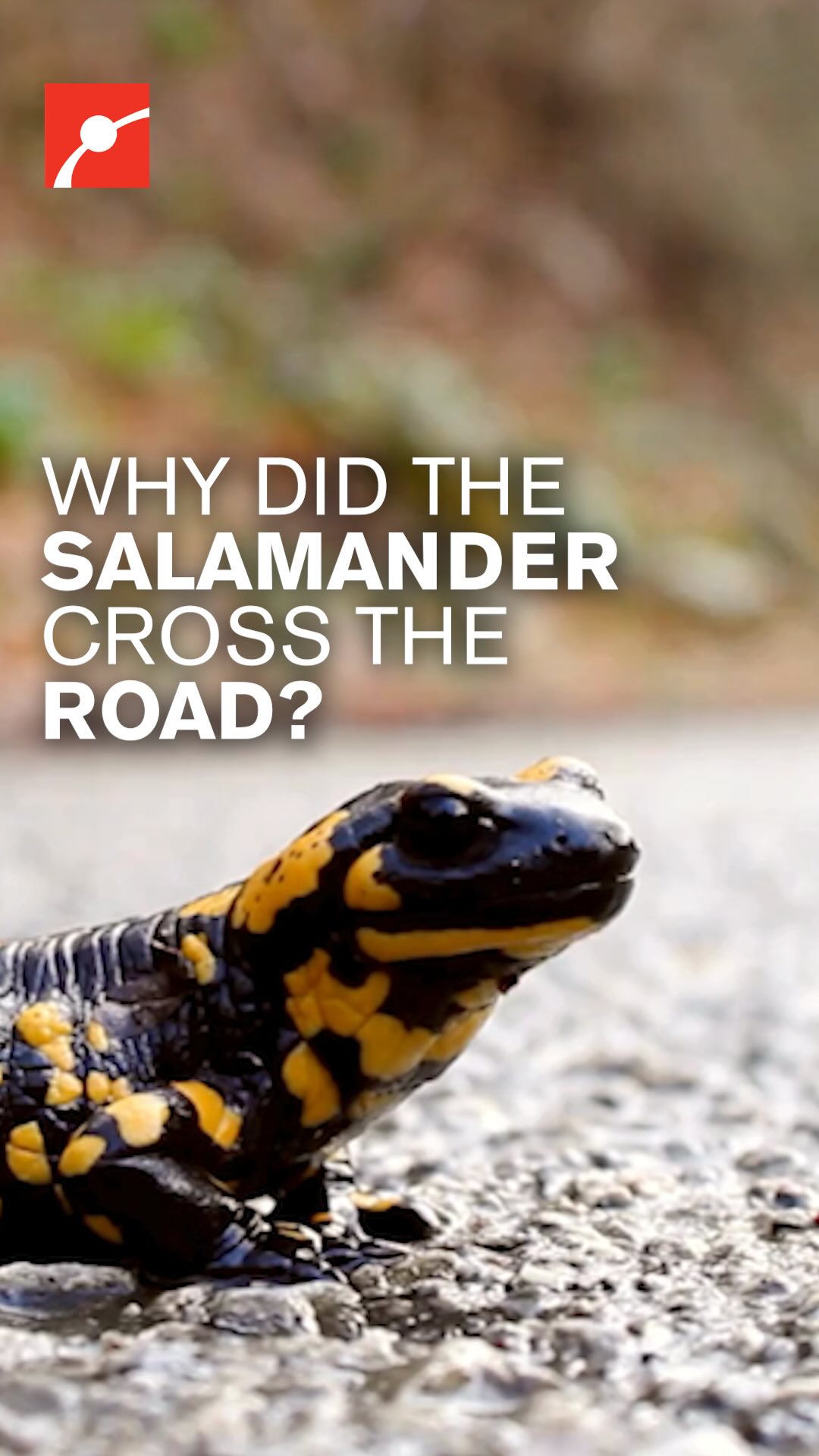
- The migration journey of spotted salamanders during the first warm, rainy night of spring.
- The critical role of wetlands in salamander reproduction and survival.
- The impact of urban development and busy roads on salamander populations.
- Conservation efforts, including volunteers and wildlife tunnels, to aid safe migration.
- The significance of public awareness and community involvement in wildlife conservation.
Every spring, an extraordinary event unfolds in various parts of North America—spotted salamanders emerge from their underground abodes on the first warm, rainy night. This period, known as the “Big Night,” marks a critical time in their life cycle. These amphibians embark on a journey to wetlands to lay their eggs, driven by innate instincts that have been fine-tuned over millennia.
Understanding the nuances of this migration sheds light on the intricate connections between these creatures and their environment. Spotted salamanders spend most of their lives underground, hidden from view. The damp, dark burrows offer protection and stable conditions. However, when early spring arrives, the amphibians sense the changing weather, signaling the start of their essential trek to breeding sites.
Wetlands play a pivotal role in this process. These ecosystems provide the perfect breeding grounds due to their moisture-rich conditions and abundant food sources. Spotted salamanders depend on these habitats to lay eggs and ensure the next generation’s survival. The wetlands not only support the salamanders but also a diverse range of species, highlighting their importance for biodiversity.
However, the journey is fraught with peril. One of the greatest threats to salamanders during their migration is the presence of busy roads that intersect their paths. As urban development encroaches upon natural habitats, the risk of road mortality increases. Salamanders, driven by instinct rather than awareness of human infrastructure, attempt to cross these roads, often with fatal consequences.
To combat this, conservationists and volunteers play a crucial role. Many communities organize events to help salamanders safely cross roads during the “Big Night.” Volunteers carefully transport them from one side to the other, reducing fatalities. Additionally, certain areas have installed tunnels beneath roads, providing a safe passage for wildlife to migrate without human intervention.
These efforts underscore the importance of community involvement in conservation. Public awareness is essential in fostering a sense of shared responsibility toward the protection of local wildlife. Educating the community about the challenges faced by salamanders and the ecological significance of their migrations encourages participation in conservation initiatives.
Moreover, engaging local governments and organizations is essential to ensure the implementation of infrastructure improvements. The installation of wildlife tunnels and protective barriers can significantly reduce roadkill, demonstrating a community’s commitment to preserving its natural heritage.
Conservation efforts extend beyond just physical interventions; they also focus on preserving the integrity of wetland habitats. Protecting these areas from pollution and degradation is vital to support the life cycles of spotted salamanders and other species. Wetlands act as natural filters, maintaining water quality and hydrological balance, which is crucial for ecosystems.
In conclusion, understanding the migration of spotted salamanders involves appreciating the intricate links between these amphibians and their environment. It reveals how human activity impacts wildlife and the ecosystems they depend on. By fostering community involvement and employing practical conservation strategies, we can help ensure the survival of salamanders and maintain the ecological balance they support.
Recognizing the significance of “Big Night” and engaging in conservation activities not only aids salamander populations but also enriches our connection with the natural world.
*****
Source Description
Why did the salamander cross the road?
Spotted Salamander leave their underground burrow during the “Big Night”—the first warm, rainy night of spring—when amphibians migrate to wetlands to lay their eggs. Volunteers (and tunnels!) help them cross busy roads safely and protect future populations.
