
-
The Functionality of Sea Lion Whiskers: Understanding Their Sensory Role
-
Anatomical Perspectives: Structure and Design of Whiskers
-
Behavioral Observations: How Sea Lions Use Their Whiskers
-
Conservation Implications: The Importance of Protecting Sea Lions
-
The Role of Whiskers in Aquarium and Zoo Management Practices
Sea lions, with their sleek bodies and charismatic faces, possess a feature that often catches the eye: their whiskers. These whiskers play a crucial role in the lives of sea lions, performing functions that are vital for their survival and interaction with the environment. Understanding the role of whiskers in sea lions provides insights into their behavior, biology, and the challenges they face in the wild.
The Functionality of Sea Lion Whiskers: Understanding Their Sensory Role
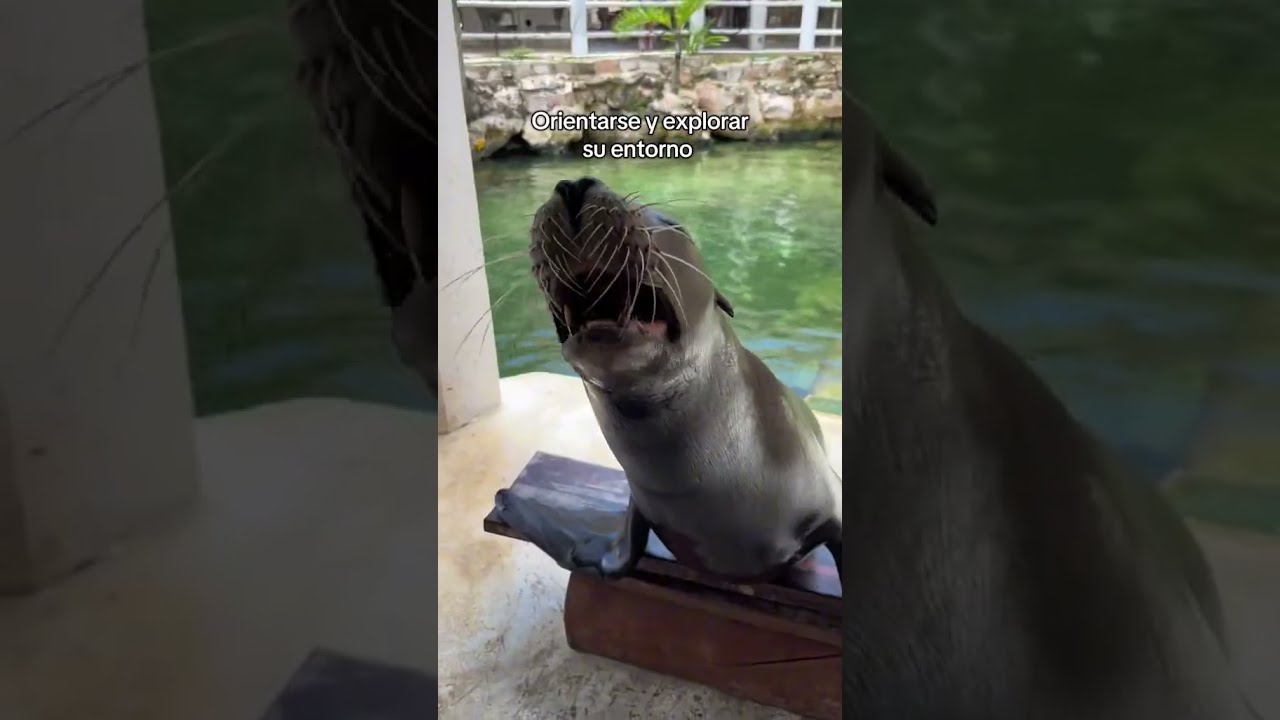
Sea lion whiskers, scientifically known as vibrissae, are more than just facial adornments. These sensory organs are pivotal in helping sea lions navigate their aquatic environments. Packed with sensitive nerve endings, vibrissae can detect the slightest vibrations and movements in the water. This ability is crucial for locating prey, avoiding predators, and understanding environmental changes.
Whiskers allow sea lions to “see” underwater when visual cues are limited. The perception through whiskers enables them to carry out complex tasks even in murky or dark waters. This sophisticated detection system gives sea lions an edge, allowing them to compete effectively in their ecological niche.
Anatomical Perspectives: Structure and Design of Whiskers
Whiskers in sea lions are specially designed for sensitivity and precision. Each vibrissa is connected to a rich nerve supply, far more sensitive than human fingertips. They are long, stiff, and can move independently, which allows sea lions to assess their surroundings with high accuracy. This function is especially crucial given the variable conditions of their marine habitats.
The structure of sea lion whiskers highlights their adaptability to dynamic environments. The follicles of these whiskers have a blood sinus complex that enhances their conductive ability, allowing even the slightest water movement to be felt. This feature of sea lion anatomy illustrates the evolutionary adaptations that have helped them thrive in diverse marine settings.
Behavioral Observations: How Sea Lions Use Their Whiskers
Observational studies of sea lions in the wild and captivity reveal the many ways they utilize their whiskers. During foraging, whiskers help sea lions detect and track fish even amidst schools or in fast-moving waters. The tactile information whiskers provide is processed by the brain to create a mental map of the surroundings.
Sea lions are observed using their whiskers to examine objects of interest, showcasing a form of tactile exploration akin to touch in primates. This behavior underscores the importance of whiskers not only in hunting but also in socializing and interacting with their environment. The nuanced use of whiskers reflects a complex behavioral repertoire facilitated by these sensory structures.
Conservation Implications: The Importance of Protecting Sea Lions
Understanding the functionality of sea lion whiskers underlines the importance of conservation efforts. Habitat degradation, pollution, and climate change pose significant threats to sea lions. Conservation programs focused on preserving their natural habitats are critical for maintaining the ecological balance.
Protecting sea lions also involves mitigating the effects of human activities such as fishing, which can lead to entanglement and depletion of prey species. Conservationists work to enforce regulations and create marine protected areas, ensuring that sea lions can continue to rely on their sophisticated sensory systems to survive and thrive.
The Role of Whiskers in Aquarium and Zoo Management Practices
In zoos and aquariums, managing sea lions requires a deep understanding of their natural behaviors, including the role of whiskers. These facilities aim to replicate the sea lions’ natural environment as closely as possible, providing opportunities for natural behaviors and enrichment activities that stimulate their sensory faculties.
Training programs often incorporate exercises that engage sea lions’ whiskers, enhancing their well-being and maintaining their natural instincts. Such practices not only enrich the lives of captive sea lions but also provide educational opportunities for visitors to learn about these fascinating creatures and the critical roles they play in their ecosystems.
Sea lion whiskers represent a remarkable adaptation that highlights the intricate connections between anatomy, behavior, and survival. By exploring each aspect of whisker functionality, we gain a deeper appreciation for sea lions and the intricate balance of marine ecosystems. Conservation efforts and responsible wildlife management ensure that these remarkable creatures continue to grace our oceans, fulfilling vital roles in their habitats.
*****
Source Description
Los Lobos Marinos usan sus bigotes para detectar movimientos y vibraciones en el agua, ayudándoles a encontrar alimento incluso en la oscuridad. 🤯🦭
Un dato curioso más que demuestra lo increíbles que son estos mamíferos marinos. 💙
👉 Conócelos en Dolphin Discovery y descubre mucho más sobre ellos. https://www.dolphindiscovery.com.mx/
#dolphindiscovery #sealion #funfacts #didyouknow #lobosmarinos #marinemammals #vidamarina #experienciaúnica
