
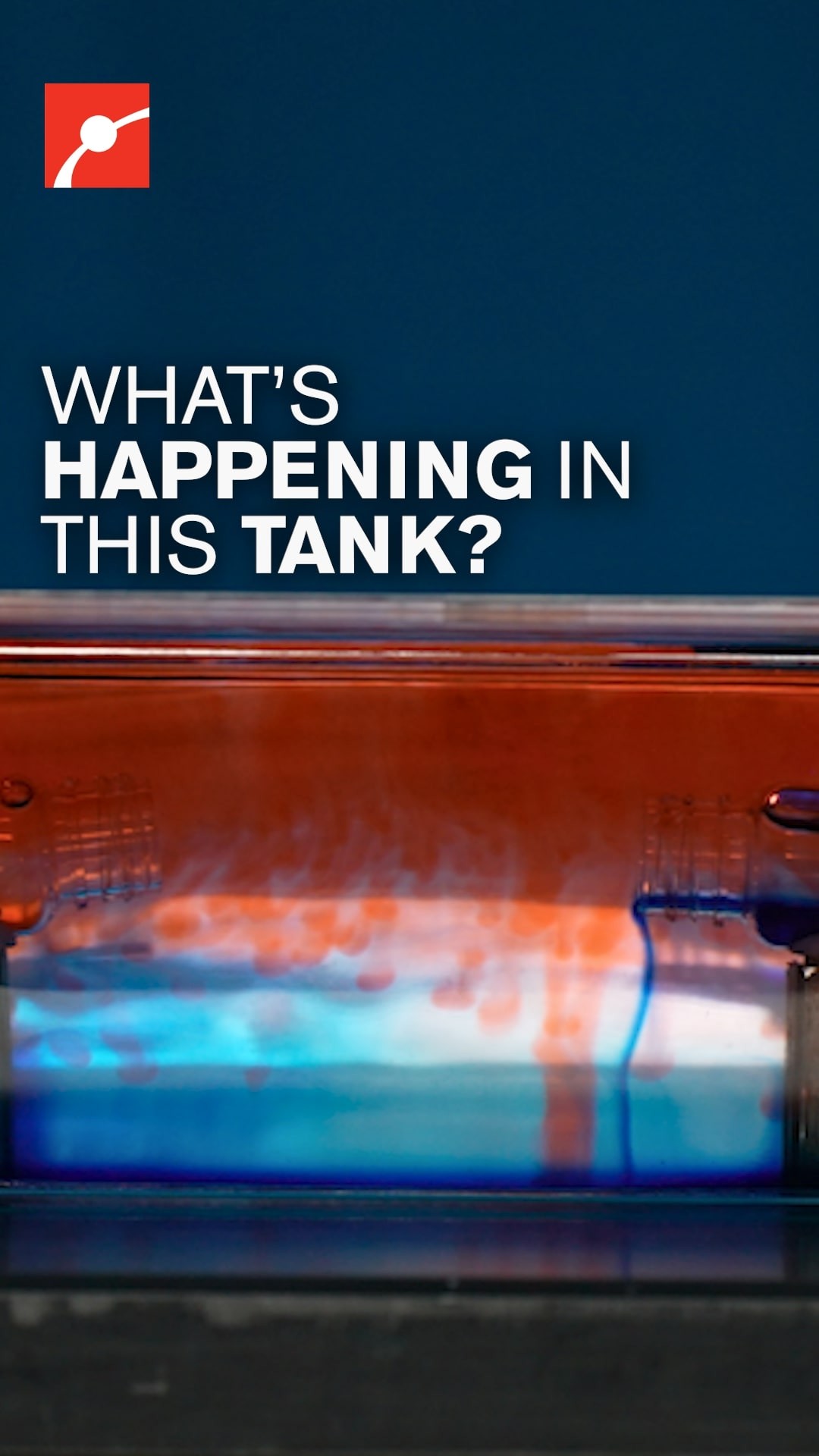
- Understanding the principles of convection
- How temperature differences affect fluid dynamics
- The role of convection in everyday appliances like air fryers
- Environmental implications of convection in natural ecosystems
- Practical experiments to observe convection in action
Convection is a fundamental scientific principle that explains how heat is transferred through fluids, including both liquids and gases. It describes the process by which hot water rises while cold water sinks, a phenomenon you may observe when boiling water or using various cooking appliances. Hot water, which is less dense than cold water, will rise to the surface while cold water, being denser, sinks. This dynamic creates distinct currents within the fluid, leading to a continual circulation that is essential for heat distribution.
To grasp why hot water rises while cold water sinks, it is vital to understand the concept of density. Density measures how much mass is contained in a given volume. When a substance is heated, its molecules gain energy and move faster, causing them to spread apart. As a result, the density of the heated fluid decreases, allowing it to rise. Conversely, colder fluids have molecules that are closer together, resulting in higher density. The difference in density drives the movement of fluids in a convection current.
The principle of convection is present not just in scientific scenarios but also in daily appliances, such as air fryers. These kitchen devices utilize convection to cook food evenly and efficiently. An air fryer circulates hot air around the food using a built-in fan. This movement ensures that hot air reaches all surfaces evenly, allowing for quicker cooking and crispy exteriors. The efficiency of air fryers stems from their ability to create rapid convection currents, bringing heat directly to the food. Understanding convection enriches our ability to use these appliances to their fullest potential, enhancing cooking results and conserving time.
Convection also plays a significant role in various ecosystems. In natural bodies of water, the seasonal change in temperature creates layers of water with distinct characteristics. Warmer water sits atop cooler, denser water. This stratification can affect the distribution of nutrients and oxygen, crucial for aquatic life. When the seasons shift, this stratification can change, allowing for mixing that revitalizes ecosystems. The circulation generated by convection currents in oceans influences weather patterns and marine biodiversity, demonstrating the interconnectedness of fluid dynamics and environmental health.
To visualize convection, you can conduct a simple experiment at home. Fill a clear container with room temperature water and place a few ice cubes in one corner. Observe as the colder, denser water from the ice sinks, while the warmer water moves to fill its place. You’ll notice how circulation patterns develop, illustrating the principles of convection in action. Similar experiments can be conducted with food coloring to further enhance visibility when observing the movement of fluids and the formation of convection currents.
Understanding convection enables deeper insights into both scientific principles and practical applications. Recognizing why hot water rises and cold water sinks illuminates the fascinating mechanisms that govern our environment and daily lives. Through convection, we can appreciate the fluid dynamics that serve as a foundation for various phenomena, from simple cooking techniques to complex ecological interactions.
*****
Source Description
Hot water rises, cold water sinks… but why?
Museum Educator Sloane breaks down convection—why heat rises, cold sinks—and how it powers your air fryer.
