
- Sharks are indicators of ocean health and a diverse ecosystem.
- Sharks play a critical role in maintaining the balance of marine life.
- Sharks have existed for over 400 million years, with diverse species varying in size.
- Humans pose the greatest threat to shark populations and their survival.
Understanding the importance of sharks in our oceans can help dispel common fears associated with these often-misunderstood creatures.
Sharks are essential to the health of marine ecosystems. Their presence signifies that an environment is thriving and balanced. Healthy shark populations help maintain the equilibrium of the underwater food web, which includes numerous species such as seals, rays, and various types of fish. When sharks are abundant, it indicates that their prey species are also present in healthy numbers. The decline of sharks signals potential problems in the ecosystem, prompting concerns for marine biodiversity and overall ocean health.
As apex predators, sharks occupy a crucial position in the food chain. By preying on weakened or sick individuals within their prey populations, they help sustain the health of these populations. For instance, sharks regulate the populations of species such as seals and rays, which, in turn, affects the availability of organisms lower in the food chain like smaller fish and plant life. This natural predation maintains a balance, ensuring that no single species dominates the ecosystem. If sharks were to decline significantly, it could lead to overpopulation of their prey, disrupting the food web and ultimately harming the marine environment.
Sharks have a long evolutionary history, existing for over 400 million years. This remarkable timeline highlights their ability to adapt to changing environments and circumstances. Current estimates suggest that there are around 500 different shark species. Surprisingly, about half of these species measure less than three feet in length. This diversity illustrates the adaptability and resilience of sharks as a group. Small species, such as the dogfish and the lantern shark, play essential roles in their respective ecosystems, often preying on smaller organisms and serving as prey for larger animals, thus contributing to the intricate web of life in the ocean.
Despite their critical importance in marine ecosystems, sharks are facing unprecedented threats from human activities. The primary dangers they encounter include overfishing, habitat degradation, and pollution. Shark finning, a practice where the fins are cut off and the sharks are thrown back into the ocean, severely impacts their populations. In addition, many species of sharks are unintentionally caught as bycatch in fishing gear meant for other marine animals, further contributing to their decline.
Many shark species are becoming endangered due to these harmful practices. Their slow reproductive rates mean that even small numbers of deaths can lead to significant population declines. Unlike many fish, sharks typically do not reach sexual maturity until later in life, making recovery from population decreases slow and challenging. The improper disposal of plastics and other harmful pollutants in our oceans contributes to further complications, leading to health issues for sharks and the aquatic ecosystems they inhabit.
As we enhance our understanding of these majestic creatures through initiatives such as SEA LIFE TRUST, we take a vital step toward conservation efforts. Supporting organizations focused on the protection of sharks is essential to safeguarding the future of marine ecosystems. These organizations work to raise awareness about the significance of sharks, advocate for better fishing practices, and promote policies aimed at conserving marine habitats. By taking part in these efforts, individuals can contribute meaningfully to the survival of sharks and, consequently, the health of our oceans.
Raising awareness about the realities of sharks is crucial in changing negative perceptions. Misunderstandings often stem from sensationalized media portrayals, focusing on shark attacks and generating undue fear. While shark attacks do occur, they are incredibly rare. Statistically, humans are far more dangerous to sharks than they are to us. In fact, many more sharks are killed by humans annually than there are reported shark attacks. This stark imbalance prompts us to rethink our relationships with these creatures.
Education about sharks and their ecological importance can foster a greater appreciation for their role in the marine ecosystem. Understanding that sharks are vital to maintaining a balanced and healthy ocean can transform frightening narratives into empowering ones. Engaging with conservation efforts helps shift the dialogue from fear to respect, emphasizing that sharks deserve protection rather than vilification.
The ecological and biological significance of sharks cannot be overstated. As apex predators, they contribute to the balance of marine life in complex and important ways. Sharks are not inherently aggressive; they are fundamental components of rich and diverse marine ecosystems. By informing ourselves and others about sharks, we can advocate for their conservation and promote a healthier ocean environment.
Inquiries into shark behavior and biology illuminate their fascinating adaptations over millions of years. Sharks have evolved a range of sensory adaptations that enhance their predation and survival strategies. Their acute sense of smell, capable of detecting particles in the water from miles away, is a remarkable feature that aids them in locating prey. Similarly, they possess specialized electroreceptors that allow them to detect the electrical signals emitted by other living creatures. These adaptations make them highly efficient hunters, contributing to their success as a species.
Additionally, it is worth recognizing the advancements in marine biology that enhance our understanding of sharks. Researchers continue to discover new species and behavioral traits that widen our comprehension of these vital creatures. The ongoing study of shark populations informs conservation strategies, helping initiate legislation aimed at protecting critical habitats and ensuring sustainable fishing practices. Collaboration between scientists, policymakers, and conservationists is essential in promoting measures to protect sharks and their habitats.
By communicating the importance of sharks to a broader audience, we empower communities to take part in their preservation. Educational programs, community outreach, and awareness campaigns play significant roles in shifting societal views. Engaging storytelling and media representation can break down stereotypes and humanize these essential marine animals.
Through collective action, we can foster a culture that values conservation and recognizes the interconnectedness of all species. By strengthening our understanding of sharks and the challenges they face, we can contribute to a future where sharks and the ecosystems they inhabit thrive. As stewards of the planet, it is our responsibility to ensure the protection of these remarkable creatures and the oceans they call home.
The conversation around sharks should focus on celebrating their vital ecological roles instead of fear and misunderstanding. Supporting research, advocating for sustainable practices, and spreading awareness can lead to positive change. Together, we can illuminate the significance of these animals and work toward a future where sharks can thrive in healthy ocean environments, for the benefit of all marine life and humanity alike.
*****
Source Description
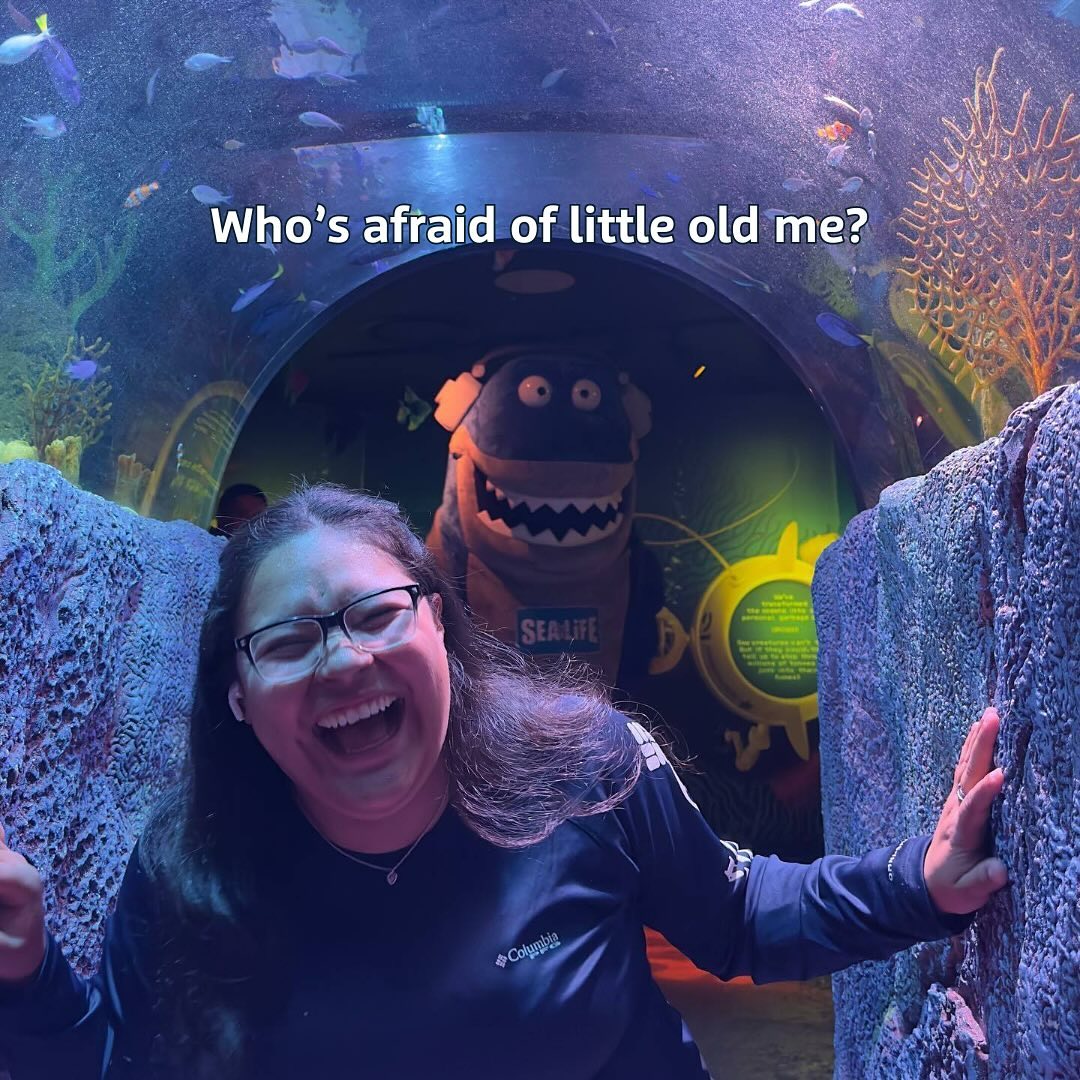
We 💙 you Sharky! Here are 4 reasons why you shouldn’t be afraid of “little old me”
🦈 When sharks are present in an ecosystem it’s a positive sign of ocean health and abundance.
🦈 Sharks are at the top of the ocean food chain, helping regulate the populations of animals below them such as seals, rays and larger predatory fish.
🦈 Sharks have been on the planet for over 400 million years and today comprise approximately 500 different species. Of those 500 species, half are less than three feet long.
🦈 The top predators on Earth are humans. Sharks have a lot more to fear from us than we do of them. From finning practices, fishing bycatch and the inappropriate disposal of plastics and other pollutants, many species of sharks are becoming endangered entirely because of us.
Visit the 🔗 in bio to support these fintastic creatures through SEA LIFE TRUST
