
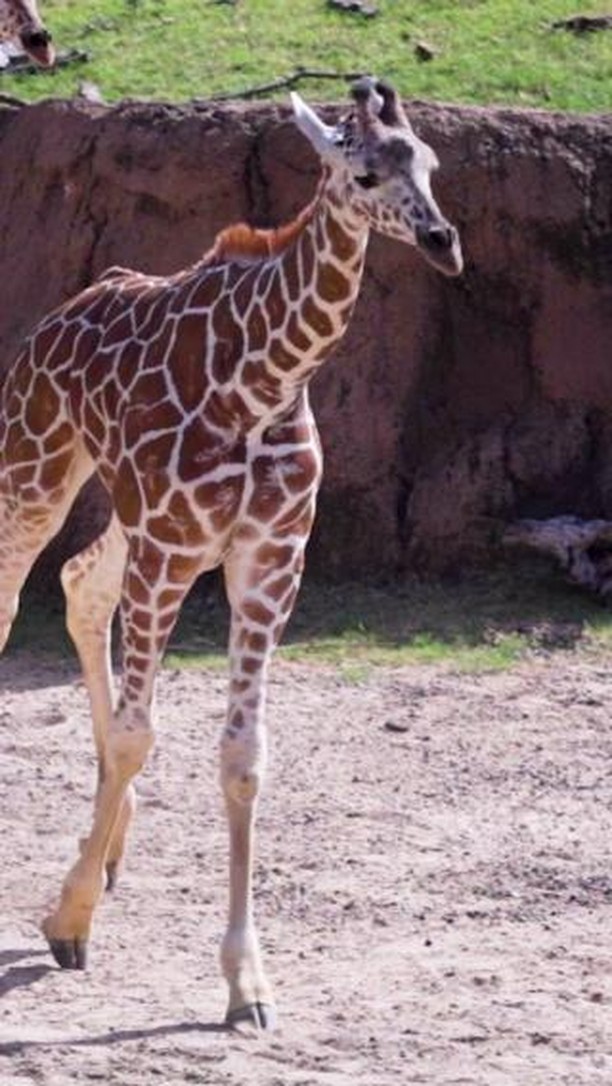
- Importance of biodiversity for ecosystem health and human survival
- Current threats to wildlife and their habitats
- Effective wildlife conservation strategies and successes
- The role of education and community engagement in wildlife protection
- How to get involved in wildlife conservation efforts
Biodiversity is not just a buzzword; it is essential for the health of our planet. Each species plays a crucial role in maintaining the balance within ecosystems. The interactions between plants, animals, and microorganisms form complex networks that support life as we know it. A rich variety of life enhances ecosystem resilience, allowing it to recover from environmental stresses, such as natural disasters or climate change. For humanity, this diversity translates into benefits: clean air, water, food sources, and medicines originate from the interconnected systems of wildlife.
Conversely, the loss of biodiversity can lead to ecological collapse. Species extinction can disrupt food webs, leading to unexpected consequences for other organisms, including humans. For example, the decline of pollinators, such as bees, has been linked to reductions in crop yields and, subsequently, food security. Thus, the vitality of wildlife is directly tied to human well-being, making its conservation paramount.
Current threats to wildlife are numerous and often interconnected. Habitat destruction remains one of the most significant challenges. Urbanization, agriculture, and deforestation fragment ecosystems, isolating species and making it difficult for them to find mates or sufficient resources. Climate change exacerbates these issues, altering habitats and forcing species to migrate or adapt rapidly. Overexploitation, such as illegal poaching and overfishing, further threatens species with extinction. Invasive species can outcompete native flora and fauna, leading to declines in local populations.
The intersection of these threats creates a multifaceted crisis. According to the International Union for Conservation of Nature (IUCN), approximately one million species are currently at risk of extinction. The urgency of these issues means that immediate and effective measures are necessary to ensure the survival of wildlife and, ultimately, our shared ecosystem.
Wildlife conservation strategies have evolved and shown effectiveness over time. Protected areas, like national parks and wildlife reserves, have emerged as crucial tools for safeguarding biodiversity. These areas not only provide critical habitats for threatened species but also serve as natural laboratories for research and education. Various successful reintroduction programs, such as the gray wolf in Yellowstone National Park, illustrate how careful management can restore ecological balance.
Community-based conservation initiatives focus on integrating local communities into wildlife protection. These programs recognize that local inhabitants can be powerful allies in conserving their environments when equipped with the right tools and resources. Financial incentives, such as eco-tourism, can create economic opportunities that reduce reliance on destructive practices.
Many non-profit organizations work at the forefront of conservation, employing scientists and volunteers to actively manage wildlife populations and their habitats. International collaborations through treaties, such as the Convention on International Trade in Endangered Species (CITES), regulate wildlife trade and provide legal frameworks for protecting endangered species. They acknowledge that only through collaborative efforts can global wildlife challenges be tackled effectively.
Education plays an indispensable role in wildlife conservation. By fostering a deep understanding of ecological principles and the importance of biodiversity, communities can take actionable steps in protecting their local environments. Educational programs in schools, along with public outreach, advocate for responsible behavior toward wildlife and facilitate community-driven conservation efforts.
Additionally, technology has transformed wildlife conservation. Advances in satellite imagery and drones aid in monitoring wildlife populations and detecting illegal poaching activities. Citizen science initiatives invite individuals to participate in data collection, empowering them while enhancing research efforts. Engaging the public through social media campaigns has also successfully raised awareness and increased participation in wildlife conservation activities.
For those interested in participating in wildlife conservation, various avenues exist. Volunteering with local organizations or taking part in community projects can make a direct impact. Many successful conservation stories stem from grassroots efforts. Individuals can also support conservation financially by donating to recognized organizations or participating in eco-tourism, promoting ethical practices that benefit both wildlife and local economies.
Wild about wildlife today and every day emphasizes the ongoing need for vigilance and action. The survival of wildlife connects to broader environmental wellness and humans’ future. Education, community involvement, and effective strategies can circumvent the impending crises and revive our planet’s biodiversity.
Emphasizing the significance of biodiversity is vital for cultivating an informed citizenry ready to act. When communities understand that their well-being is intertwined with nature, they become motivated to protect their environment. Local wildlife can be celebrated through festivals, workshops, and educational institutions. Such events inspire passion and loyalty while gathering support for conservation efforts.
An informed public can drive policy decisions too. Generating awareness about wildlife issues, such as habitat protection and species extinction, can lead to legislative advocacy for stronger environmental laws. Effective wildlife protection does not happen in isolation; it requires collaboration and shared goals extending across political and social boundaries.
As we explore the interlines of wildlife and human existence, the call for concerted action resounds. Efforts instituted today can resonate across generations, cultivating a culture of conservation and respect for all living creatures. Solving the challenges posed to wildlife may demand sacrifices and adjustments in lifestyle, but it is a necessary investment for a sustainable future.
Wildlife conservation is not only a professional pursuit; it’s a civic duty. Individuals can educate themselves about local wildlife and engage with organizations dedicated to ethical wildlife management. Programs that encourage sustainable practices enable citizens to actively contribute to preserving our planet’s treasures.
In this deeply interconnected web of life, the responsibility extends to every one of us. Whether we share our knowledge with others, participate in community initiatives, or advocate for policy change, our actions shape the future for wildlife today and every day. The mission to protect wildlife transcends borders and cultures, igniting a universal movement toward preserving our planet’s ecological integrity.
Active engagement in wildlife conservation translates not only into immediate benefits for species and ecosystems but also enriches our human experience. By embracing this responsibility, we can build a world that honors and protects wildlife for generations to come. Every small step counts on this journey toward harmonious coexistence with nature. When we invest in understanding and supporting wildlife, we are also investing in a vibrant and flourishing future for all forms of life on Earth.
*****
Source Description
Wild about wildlife today and every day 🌍🐾
