
- The importance of staying updated on winter weather conditions
- Operational changes affecting visitor experiences
- Safety measures in place for wildlife and guests
- The role of the aquarium in conservation efforts
- Educational activities available during winter at the aquarium
The winter season brings unique challenges and opportunities relevant to our aquatic environments and the creatures that live within them. As temperatures drop and icy conditions emerge, staying updated on winter weather is crucial, especially for institutions like aquariums that play a vital role in educating the public and conserving marine life.
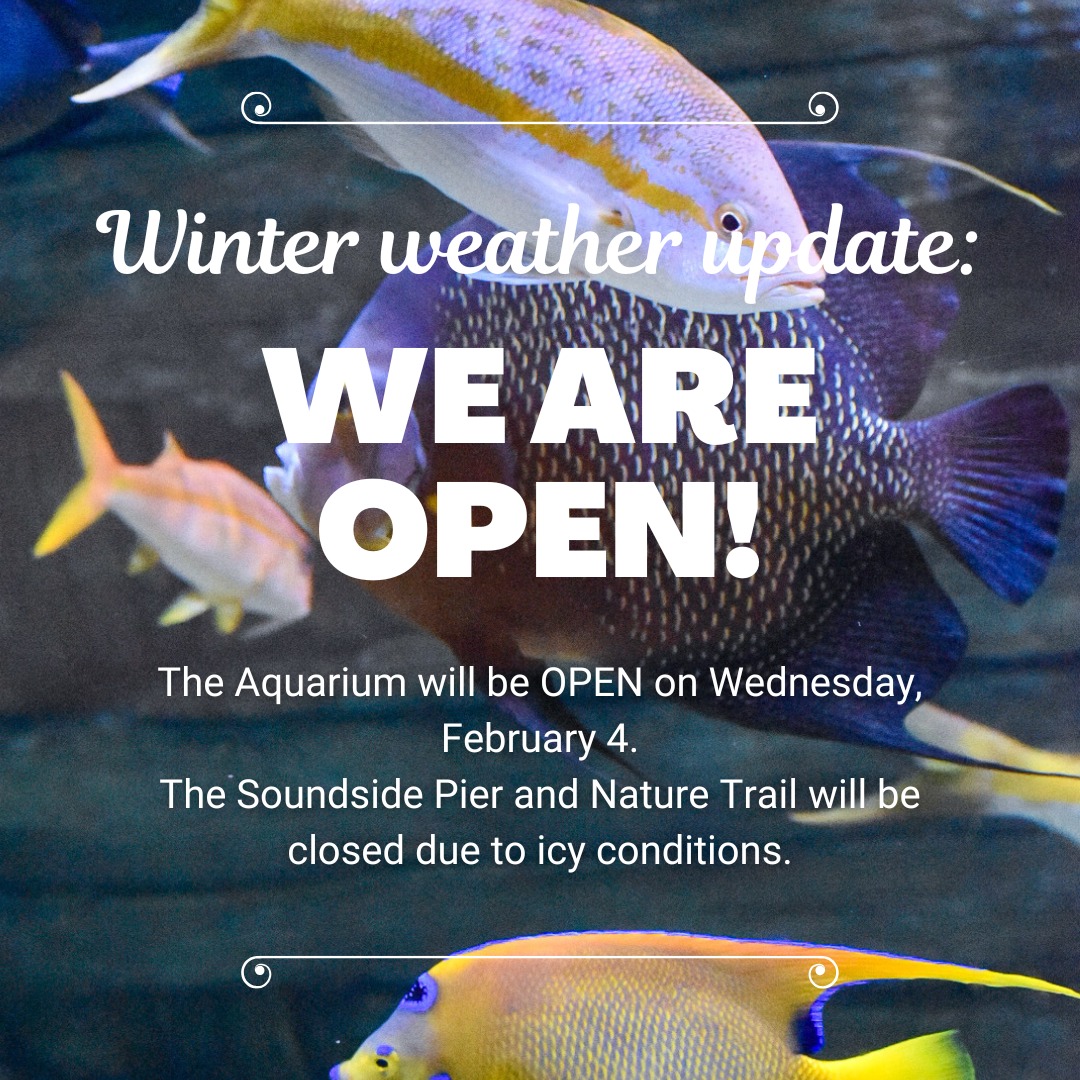
The aquarium will remain open on Wednesday, February 4, despite harsh winter weather conditions. This decision reflects a commitment to providing educational experiences for visitors while prioritizing safety. However, it’s important to note that the Soundside Pier and Nature Trail will be closed due to icy conditions, ensuring that all precautionary measures are taken to protect both guests and staff.
Operational changes during winter are vital. Visitors may find that certain exhibits or outdoor areas may experience temporary closures or altered hours. This is essential for ensuring that individuals can enjoy their visit without compromising their safety. The staff continually monitors weather conditions to adapt operations accordingly. Closed pathways prevent slipping hazards and promote a safer experience overall, allowing everyone to focus on the wonders of marine life.
Safety measures are not just limited to guests. The aquarium places the highest priority on the well-being of its marine inhabitants during inclement weather. Aquatic animals often respond differently to colder temperatures. Staff conduct regular health checks on marine life and adjust environmental conditions in exhibits to maintain optimal habitats. This vigilance ensures that animals remain comfortable and stress-free during winter weather.
Education remains a key aspect of the aquarium’s mission, even during winter months. The aquarium designs engaging programs tailored to highlight winter-specific themes. These activities provide visitors insight into how marine creatures adapt to seasonal changes. From interactive displays to informative talks, the aquarium offers multiple opportunities for individuals to learn about the biodiversity of marine ecosystems. These educational experiences can instill a greater appreciation for the delicate balance of aquatic life and the importance of conservation.
The aquarium plays a significant role in wildlife conservation efforts, particularly during winter periods. Cold-water species often face new challenges, such as changing food availability and habitat conditions. By hosting educational programs, the aquarium informs the public about the necessity of responsible environmental practices. Promoting awareness fosters a sense of stewardship among visitors, allowing them to engage actively in preserving marine habitats.
Visitors can take part in special winter-themed activities designed to deepen understanding of aquatic life. These programs range from educational workshops to guided tours that emphasize the adaptations of marine species in colder climates. Seasonal talks may cover topics such as migration patterns, breeding cycles, and the resilience of marine creatures amid changing environments. By providing these insights, the aquarium creates an interactive learning environment that captivates its audience.
In addition to educational initiatives, the aquarium collaborates with local organizations to enhance its conservation efforts. Partnerships focus on preserving local ecosystems and addressing the impacts of winter weather on native species. This collective action amplifies the aquarium’s impact while fostering community connections. By working together, the aquarium and its partners can create sustainable practices that support wildlife welfare and promote environmental awareness.
As winter progresses, unpredictable weather conditions can change rapidly. Maintaining open lines of communication is essential for visitors wishing to stay informed. The aquarium provides regular updates on social media and its website to keep guests aware of any operational changes or safety advisories due to weather. This proactive approach allows individuals to plan their visits effectively without any surprises.
Winter presents a unique challenge for both aquariums and the animals within them. The effects of climate can influence behavior, breeding, and nutrition for various marine species. For instance, some fish may exhibit altered feeding patterns in response to colder water temperatures. The aquarium staff is well-versed in these behaviors and is prepared to adapt care protocols accordingly. This understanding emphasizes the aquarium’s dedication to not only showcasing marine life but also respecting and responding to their inherent needs.
Conversely, engaging with the community during colder months helps build stronger ties between the aquarium and the public. Seasonal events can draw audiences, allowing families to explore exhibits and learn more about marine ecosystems. Special programming may include live animal encounters, feedings, and conservation-themed discussions that highlight the importance of protecting aquatic habitats. Attractions like these are particularly effective at making science relatable and accessible to individuals of all ages.
The aquarium also recognizes the intrinsic link between winter weather and climate change. As temperatures continue to fluctuate, animals worldwide adapt in various ways. By educating visitors about these adaptations, the aquarium encourages awareness of larger issues impacting global biodiversity. For instance, changing ocean temperatures can influence coral bleaching, significantly affecting marine habitats. These topics promote discussions surrounding climate action and individual responsibilities toward conserving the environment.
As a key player in wildlife conservation, the aquarium also focuses on research initiatives during winter months. Collaborations with universities and research entities can deepen understandings of marine life behaviors during colder periods. Such partnerships ensure that findings contribute to broader conservation efforts. Insights gained can aid global initiatives aimed at preserving marine biodiversity and maintaining ecosystem health.
Encouraging stewardship does not stop at the aquarium’s walls. Having attended programs and learned about wildlife conservation, many visitors feel inspired to engage in local environmental efforts. This ripple effect often translates into community activism, where individuals advocate for actions that protect their local waterways. Simple acts, such as reducing plastic use and participating in beach clean-ups, can lead to significant changes.
In summary, winter weather conditions necessitate adaptive strategies at the aquarium. Staff prioritize safety for both guests and marine life, while educational efforts remain a focal point. By offering diverse winter-themed programs, the aquarium fosters learning and appreciation for the aquatic world. Moreover, the institution’s dedication to conservation and community engagement embodies its mission to be a leader in marine education and environmental stewardship.
*****
Source Description
❄️ Winter weather update:
We Are OPEN! 🎉
The Aquarium will be OPEN on Wednesday, February 4.
The Soundside Pier and Nature Trail will be closed due to icy conditions.
