
- The historical significance of St. Patrick’s Day and its connection to wildlife.
- The role of Irish animals in folklore and conservation.
- Sustainable practices in zoo management during holiday celebrations.
- Educational initiatives that enhance public awareness of wildlife conservation.
- The importance of cultural celebrations in promoting conservation efforts.
St. Patrick’s Day is widely celebrated on March 17th, commemorating the patron saint of Ireland. While many enjoy parades, green attire, and festive foods, the day also provides an opportunity to reflect on the interconnectedness of culture and wildlife. The historical significance of St. Patrick’s Day extends beyond the festivities—is rooted in heritage that influences conservation initiatives today.
Irish folklore celebrates a variety of animals, often intertwining them with tales of magic and mystery. For instance, the leprechaun, a staple of Irish lore, is typically associated with pots of gold and mischief, but it is also anchored in the natural environment, represented through Irish animals like the hare and fox. Such animals play critical roles in both the ecosystem and cultural myths. This highlights how all creatures contribute to the biodiversity that we aim to conserve.
As society shifts towards more environmentally conscious practices, incorporating sustainable methods in zoo management becomes imperative. During festive times like St. Patrick’s Day, zoos often embrace green initiatives, aligning celebrations with wildlife conservation. Practices can include minimizing waste, utilizing biodegradable materials, and promoting educational programs to enhance public awareness about the importance of preserving wildlife habitats. Engaging visitors through informative displays and interactive programs during St. Patrick’s Day can inspire a greater appreciation for the natural world.
Zoos have a critical educational role, using celebrations as platforms to raise awareness about endangered species and ecological issues. Special events can be organized to showcase native Irish wildlife, such as the red deer and the Irish hare. These programs may help dispel myths and provide insights into their ecological significance. By fostering a deeper understanding of wildlife, educational efforts encourage visitors to advocate for conservation.
Cultural celebrations can act as catalysts for conservation awareness. St. Patrick’s Day festivities are an excellent opportunity to discuss the challenges faced by wildlife in Ireland and globally. Celebrating the natural beauty of Ireland can inspire a sense of responsibility for preserving habitats, fostering a connection between cultural identity and wildlife stewardship.
Many native species, including the European otter and the barn owl, face numerous threats from habitat loss and climate change. This awareness is essential for forming a compassionate public opinion that supports wildlife conservation efforts. By addressing these concerns during St. Patrick’s Day events, communities can rally together to advocate for better conservation policies and practices.
The connection between St. Patrick’s Day and wildlife conservation runs deeper than one might assume. Events honoring this day often unite the community in a shared goal of protecting the environment. Educational initiatives conducted by zoos and wildlife organizations can also involve planting trees, cleaning local habitats, and promoting sustainable practices among participants.
Institutions dedicated to wildlife conservation can harness the vibrance of cultural holidays to turn attention towards urgent environmental issues. For instance, discussions about climate change impact on aquatic ecosystems can align with festivities that honor an ancient past intertwined with water bodies. Educating the public about how shifting weather patterns affect local wildlife is vital for proactive conservation actions.
Zoos, as leaders in wildlife education and conservation, are uniquely positioned to make an impact. By hosting themed events that celebrate the culture and ecology of regions like Ireland, facilities can provide rich learning experiences that incorporate elements of fun and engagement. This method moves beyond traditional educational formats, offering interactive experiences that cater to both children and adults.
On St. Patrick’s Day, many zoos conduct activities like animal feedings, educational talks, and scavenger hunts designed to capture the imagination while educating about animal heritage and the importance of various species. This accessible approach builds a stronger connection to wildlife, fostering a passion for conservation in a way that resonates deeply with visitors.
In addition, the celebration often includes an emphasis on native plants which form essential habitats for wildlife. Educating visitors about the importance of local flora, including the significance of the shamrock in Irish culture, can spotlight the relationship between plants and animals. Illustrating how specific plants support local ecosystems lends credence to the idea that every piece of the environment is critical.
While celebrating St. Patrick’s Day, it’s also vital to engage communities in conversations about the global biodiversity crisis. The loss of habitats due to urbanization and agriculture is a pressing issue affecting wildlife far beyond the borders of Ireland. By drawing connections between local folklore and the broader environmental challenges, we promote a more holistic understanding of conservation needs.
Zoos worldwide participate in vital conservation programs for species that are at risk. Species like the Irish red deer or native bees may be featured prominently during St. Patrick’s Day celebrations. By encouraging support for conservation organizations, zoos can bolster efforts to protect both iconic and less well-known species. A well-rounded education helps nurture future caretakers for our planet.
Incorporating animal encounters that showcase conservation success stories adds another layer to these celebrations. Many zoos involve programs that focus on rehabilitation of animals and reintroduction to their natural habitats. Tales of success inspire hope and motivate community involvement in conservation projects.
Celebrity animals, those that have unique stories or backgrounds, can enhance engagement during these events. Visitors often form bonds with individual animals, which can foster empathy and motivate action regarding their conservation. Recognizing these animals as ambassadors for their species emphasizes that we all share responsibility for protecting wildlife.
The implementation of green practices in daily operations echoes the mission of many wildlife institutions. Efforts towards reducing plastic usage, employing solar energy, and conserving water reflect a commitment to sustainability. These principles can be highlighted during St. Patrick’s Day festivities, providing a practical example of how everyday actions contribute to ecological health.
Furthermore, collaborations with local conservation groups can elevate the impact of holiday celebrations. Partnerships create an opportunity for community members to learn about ongoing initiatives, become involved, and contribute to solutions. St. Patrick’s Day celebrations can serve as a bridge connecting cultural traditions to active participation in ecological stewardship.
Animal welfare is a prime concern within zoo management, necessitating an adherence to ethical standards in all aspects. Ensuring animals are properly cared for and presented in ways that respect their natural behaviors underscores a commitment to conservation education. During festive events, these ideals can be powerfully communicated to audiences, highlighting zoos as facilitators of wildlife advocacy.
Engaging with local schools can provide another avenue for fostering a conservation ethic through cultural events. By introducing students to the significance of St. Patrick’s Day and its themes related to wildlife, educational outreach reinforces the notion that every generation has a part to play in protecting the Earth. Schools can also participate in conservation-themed projects, cultivating a sense of responsibility from a young age.
The festive atmosphere surrounding St. Patrick’s Day can act to spark conversations that might otherwise be overlooked. In discussions, individuals reflecting on their connection to wildlife can promote understanding about the fragility of ecosystems. Public forums, workshops, and online engagements can extend the conversation beyond just the celebration itself, ensuring that issues face wildlife remain front and center.
Emphasizing the importance of community and collaboration is critical when addressing conservation challenges. St. Patrick’s Day brings people together, fostering a spirit of unity that can be harnessed for environmental causes. As communities celebrate heritage, they can also consider what it means to be stewards of the Earth.
Overall, St. Patrick’s Day serves as an ideal platform not just for celebrating Irish culture but also for engaging discussions about wildlife conservation. By intertwining education, advocacy, and celebration, all participants—from zoo staff to visitors—can deepen their commitment to preserving the natural world that so many stories, traditions, and ecosystems rely upon. The commitment to fostering a nature-aware society can thrive through these efforts, inspiring the next generation to protect the biodiversity that enriches our lives.
*****
Source Description
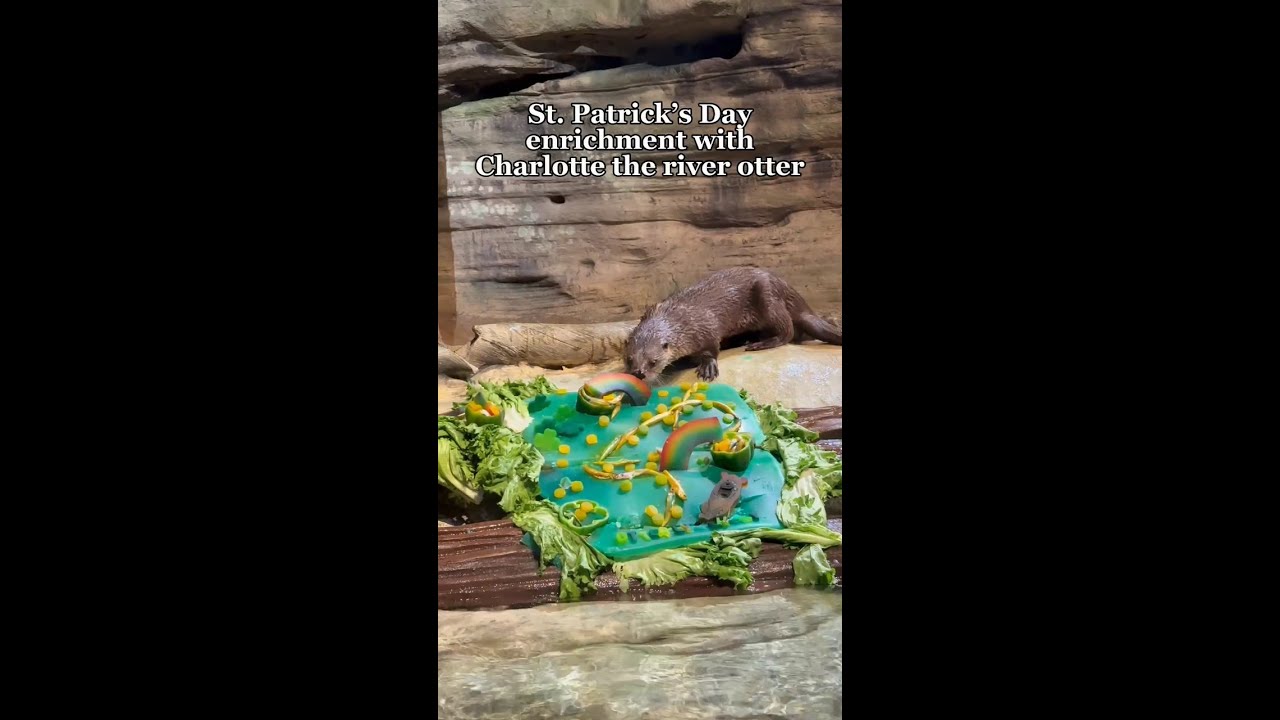
Our nutrition team created a festive scene with gelatin rainbows and green bell pepper “pots of gold” filled with smelt. Charlotte used her powerful sense of smell to search through the setup and find every tasty surprise. Enrichment like this encourages natural behaviors like exploring and foraging while keeping animals mentally and physically engaged!
