
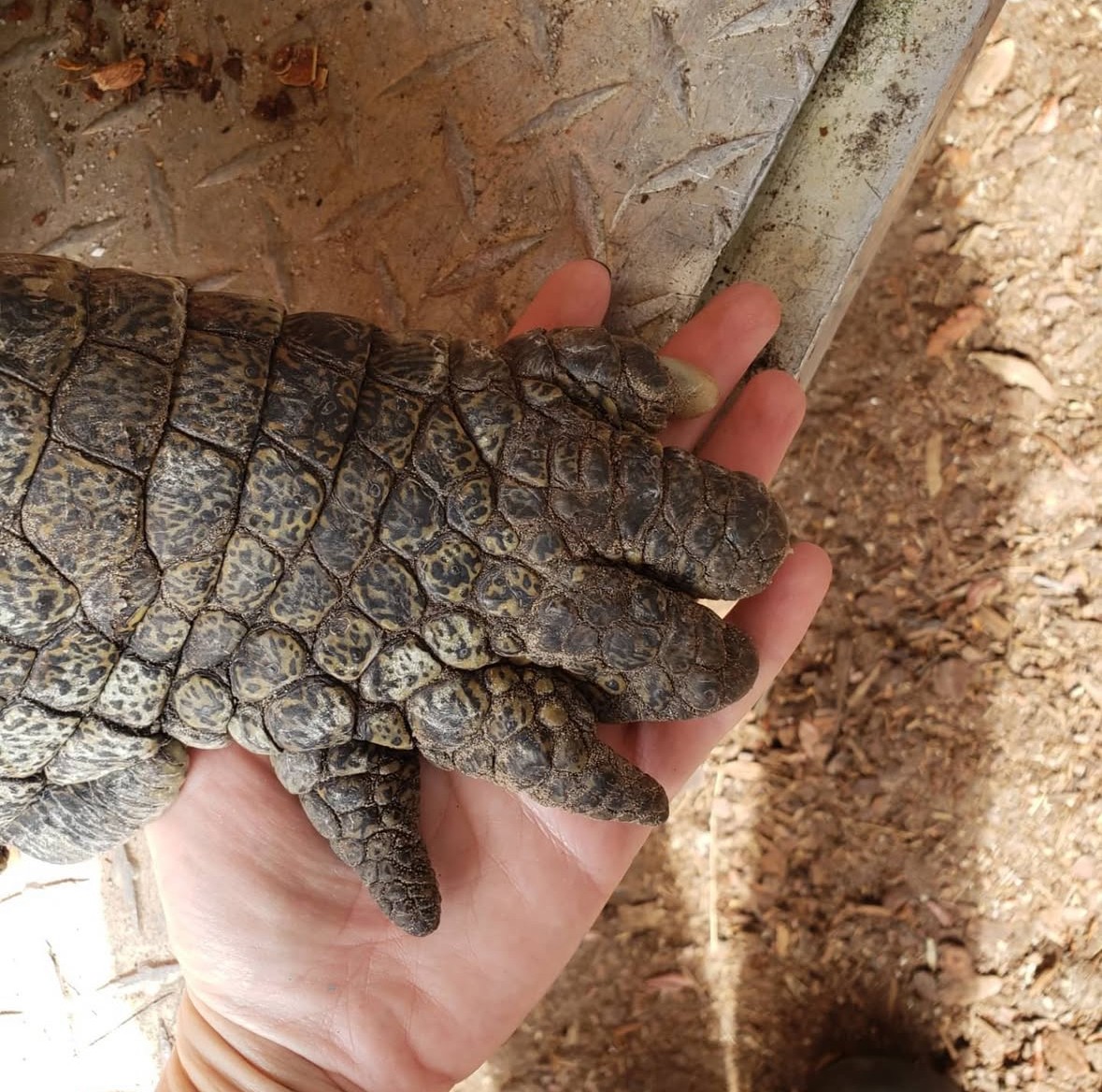
- The importance of the Indian Gharial in ecosystem health and conservation.
- Taj’s role in educational outreach and animal training programs.
- The veterinary challenges faced in the care of exotic species like the Indian Gharial.
- The significance of human-animal relationships in zoological settings.
- The impact of Taj’s passing on the zoo community and conservation efforts.
The Indian Gharial (Gavialis gangeticus) is a critically endangered species that plays a vital role in the aquatic ecosystems of the rivers it inhabits. As a specialized predator, the gharial controls fish populations and maintains the ecological balance. Its elongated snout and unique feeding habits differentiate it from other crocodilians, giving it a niche that is essential for sustaining healthy riverine environments. However, rapid habitat loss, fishing, and pollution have significantly threatened its population, with fewer than 200 breeding adults estimated to remain in the wild.
The loss of Taj, our male Indian Gharial, is a poignant reminder of the fragility of this iconic species. His journey through the zoo—marked by years of public engagement—illustrated the importance of educating visitors about the conservation of not just gharials but all species facing existential threats. Through his presence, Taj inspired countless visitors, highlighting the need for protective measures that extend to his wild counterparts. The zoo’s commitment to the conservation of the Indian Gharial will continue, but the void left by Taj’s passing will be felt deeply.
A notable achievement in Taj’s life was his training, particularly for voluntary blood draws. Such training helps decrease stress during veterinary procedures, ensuring that the animals remain calm and cooperative. His ability to enter a large transport tube voluntarily showcased his trust in his keepers and the established human-animal bond. This approach reduces the risk of complications during veterinary consultations, making it a vital aspect of animal care in zoos. Educational programs emphasizing this training also inform the public about the intelligence of crocodilians, which are often misrepresented as mindless creatures. Taj’s role in these programs exemplified how human-animal relationships can foster compassion and awareness in society.
The veterinary landscape for exotic species, especially for those like the Indian Gharial, presents numerous challenges. Despite initially receiving a clean bill of health after his CT scan and dental examination, the subsequent discovery of an issue in his bloodwork posed unexpected complications. This incident underscores the importance of regular health assessments and encourages proactive veterinary care. Gharials, with their specialized diets and habitats, require refined knowledge in terms of their health management. Unfortunately, when we learned that Taj had swallowed a large stick, the situation escalated. Such incidents are not uncommon in captive wildlife but highlight the need for vigilant monitoring of animal behavior and surroundings.
Upon recognizing the potential hazards of foreign objects, the decision to perform surgery was made in consultation with veterinary professionals. While surgical procedures can carry risks, they are often necessary for the well-being of the animal. In Taj’s case, the efforts made to save him reinforce the dedication zoological institutions have towards animal welfare. After surgery, the prognosis can be uncertain, especially when considering potential damage to vital organs. Tragically, Taj’s condition deteriorated following the procedure. This event serves as a sobering reminder of the complexities involved in caring for wildlife and the limitations that even the most skilled veterinary teams face.
The emotional impact of Taj’s absence weighs heavily on his keepers. Building relationships with animals takes time, and losing them evokes profound feelings of loss and mourning. Staff members often share their experiences; they recount the joy of observing Taj interact with his environment and how he captivated visitors. This connection highlights the importance of understanding the psychological needs of animals in captivity, as well. When animals thrive emotionally, they can exhibit behaviors that reflect their well-being, which, in turn, enhances educational outreach efforts. The emotional toll of losing a beloved animal serves as a reminder that wildlife conservation is not just about species survival; it encompasses a deep connection between humans and animals.
The significance of Taj’s passing extends beyond personal grief. As awareness spreads about the dire situation facing Indian Gharials, zoos and conservation organizations have an opportunity to galvanize support for conservation efforts. Taj’s presence was pivotal in drawing attention to the plight of his species, and his memory can continue to inspire action. Educational programs can amplify this narrative, encouraging visitors to engage with conservation initiatives aimed at preserving the habitat and populations of gharials in the wild.
Taj’s story exemplifies the ongoing need for conservation efforts tailored to specific species requirements. The challenges faced during his care underline the crucial role that zoos play not just in education but also in the rehabilitation and breeding of endangered species. Through collaborations with research and conservation organizations, zoos work toward sustainable outcomes that help protect species like the Indian Gharial, ensuring they can thrive in their natural habitats.
The role of education in zoos cannot be understated. Exhibits featuring endangered species help raise awareness among visitors, fostering a deeper appreciation for these animals and the ecosystems they inhabit. Taj’s popularity as an attraction highlights how a single animal can impact public attitudes toward wildlife conservation. The passing of such a figure encourages a reflective approach to animal care, vetting processes, and engaging the community. Everyone involved bears a responsibility to safeguard precious wildlife resources.
As we mourn the loss of Taj, we also reflect on the future. There is a need for collective efforts among zoos, conservationists, and the public to create positive change. Conservation requires collaboration, funding, and active engagement from local communities, governments, and global organizations. Each encounter with a visitor can amplify the message of protecting endangered species, turning awareness into actionable support.
Taj’s memory will inspire us to foster techniques that promote animal health and welfare, enhancing protocols to mitigate risks from foreign objects in captivity. These lessons learned from his life can guide future best practices in veterinary care and inform initiatives aimed at educating the public about the challenges endangered species face.
The ecological role of the Indian Gharial must remain a priority. Conservation strategies should revolve around habitat restoration, pollution control, and sustainable fishing practices. The decline in gharial populations can serve as an indicator of ecosystem health, making their conservation essential not just for their survival but for entire aquatic environments.
In remembrance of Taj, we can commit to intensifying our conservation efforts. His absence will remind us of the fragile link between animals and humans, propelling us toward proactive measures to safeguard wildlife. Taj was more than just a resident of Land of Crocodiles; he was a beloved representative of a species that necessitates urgent attention. His legacy will continue to drive efforts toward conservation, animal welfare, and education, ensuring that the plight of the Indian Gharial is not forgotten.
*****
Source Description
It is with overwhelming sadness that we share that Taj, our male Indian Gharial, has passed away. In October, we posted about Taj, who was going to UF Zoological Medicine for a CT scan and dental exam. At the time, he was given a clean bill of health and had no signs of dental disease, which was our primary concern. However, subsequent testing revealed an issue with his bloodwork. Further investigation revealed that he had swallowed a large stick. It was unclear whether it had penetrated the stomach wall. After many conversations with our vets and management, it was decided that surgery would be required to remove it. Despite the surgery going well, the extent of the damage to his body was too great, and sadly, he passed away.
His absence will be felt for a long time. Our trio of Indian Gharial has called Land of Crocodiles their home since it first opened, and they are a species that captivates every guest who visits. Taj was an extraordinary animal. He was one of our few crocodilians trained for voluntary blood draws and had even been trained to enter a large transport tube voluntarily.
It was our privilege to know and love him. Taj’s keepers, current and past, will miss him dearly.
