
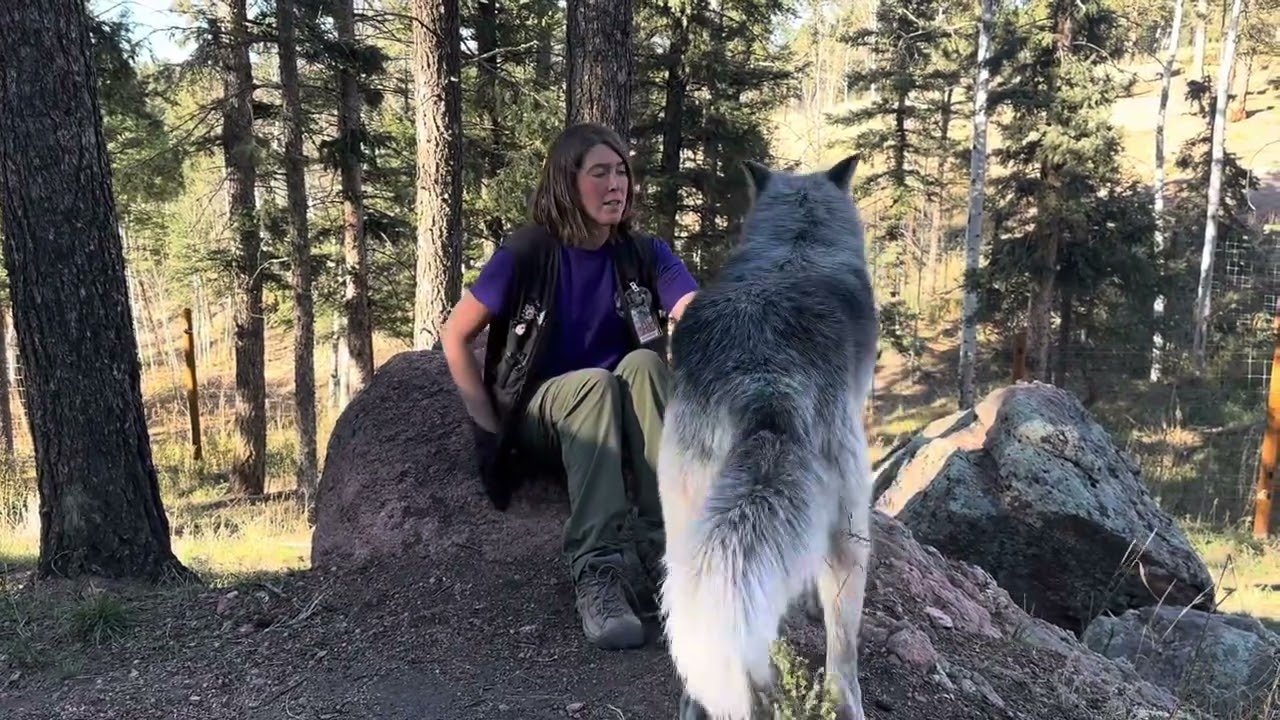
- Overview of Wolf Talk 11/5/2025, focusing on its significance for conservation.
- Insights into wolf behavior, ecology, and their role in ecosystems.
- Discussion on zoo management practices for wolf care and exhibit design.
- The importance of public education and awareness in wildlife conservation.
- Future directions for wolf conservation efforts globally.
Wolf Talk 11/5/2025 stands as a pivotal event in the conservation calendar. Focused on wolves, it serves as a platform for sharing insights, engaging the public, and advancing our understanding of these crucial animals. This article examines various aspects of this event, from its conservation impact to the scientific knowledge shared.
Understanding Wolf Behavior and Ecology
Wolves are vital to maintaining biodiversity and ecological balance. As apex predators, they help control the populations of ungulates and other prey, ensuring vegetation isn’t overgrazed. Their presence influences the distribution and behavior of other wildlife in their ecosystem, creating a dynamic and balanced environment.
During the 11/5/2025 event, experts shed light on recent studies showcasing the complexity of wolf packs. Wolves have intricate social structures, where cooperation and communication are key. Pack leaders exhibit leadership through strength and strategy, ensuring the survival and prosperity of their group. This knowledge not only aids in understanding wolves but also in promoting their conservation.
Zoo Management and Wolf Care
Zoos play a crucial role in wolf conservation. Effective zoo management practices are essential in maintaining the health and well-being of wolves in captivity. During Wolf Talk 2025, discussions centered around advancements in exhibit design and enrichment practices. Proper habitat replication, along with enrichment activities, provides wolves with mental and physical stimulation necessary for their well-being.
Innovations in veterinary care and nutrition were also highlighted. Zoos across the globe are adopting new strategies to monitor health demographics of captive wolves, understanding their individual needs, and adapting care routines accordingly. These practices enhance the quality of life for wolves in human care, simultaneously supporting educational and breeding programs.
Public Education and Conservation Awareness
Wolf Talk 11/5/2025 prioritized public engagement through educational initiatives. Educating the public about wolves fosters empathy and encourages conservation efforts. Interactive discussions and workshops allow participants to learn about wolf biology and behavior, debunking myths and reducing fear among people.
Education also extends to online platforms, where digital content reaches a global audience. Social media campaigns and virtual tours are instrumental in spreading awareness, creating a network of informed individuals who can advocate for wolf protection.
Future Directions in Wolf Conservation
Looking ahead, the event emphasized the importance of continued research and global cooperation in wolf conservation. Addressing habitat loss, human-wildlife conflict, and climate change remains a priority. Collaborative efforts among conservation organizations and governments can implement effective policies and strategies to address these issues.
Genetic research and technology also offer promising avenues. Genomic studies provide insights into wolf populations’ health and adaptation, allowing for informed reintroduction and recovery programs. As the world adapts to environmental changes, forward-thinking conservation strategies are crucial.
Wolf Talk 11/5/2025 underscores the need for comprehensive conservation efforts through research, education, and responsible management practices. By understanding and valuing wolves’ ecological roles, we pave the way for a sustainable coexistence with these remarkable creatures.
*****
Source Description
