
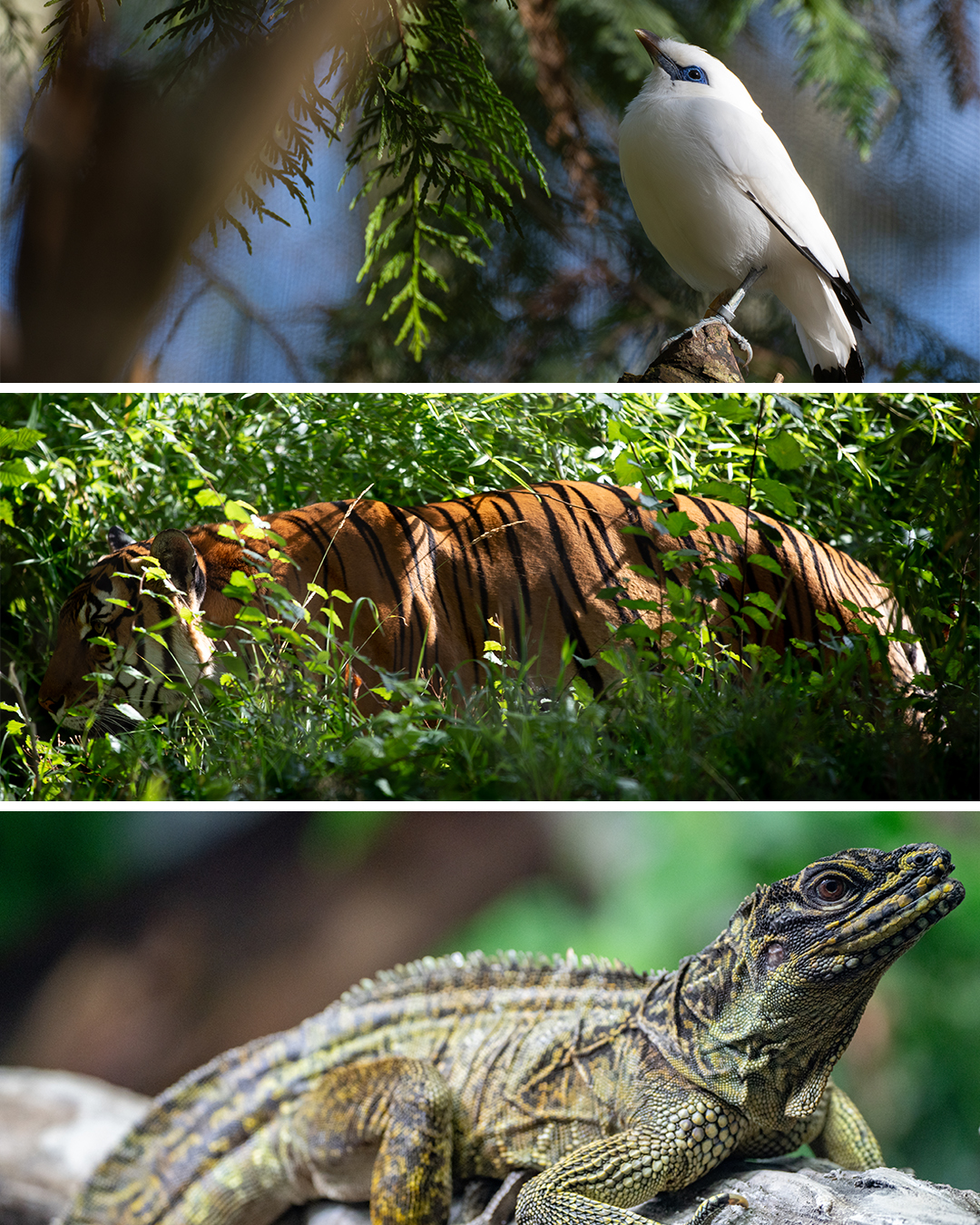
- Woodland Park Zoo’s role in the Wildlife Trafficking Alliance and its collaboration with over 90 partners to combat illegal wildlife trade.
- The importance and function of the Wildlife Confiscation Network in supporting U.S. Fish & Wildlife and federal agencies.
- The Woodland Park Zoo’s endorsement of the Wildlife Confiscations Network Act of 2025 and its potential impact.
- An overview of the animals affected by wildlife trafficking and the efforts made by organizations to protect them.
- How individual actions can support these conservation efforts and the importance of public involvement.
Woodland Park Zoo plays a crucial role in addressing the challenges posed by wildlife trafficking. As part of the Wildlife Trafficking Alliance, the zoo works alongside more than 90 partners to diminish illegal wildlife trade, a significant threat to global biodiversity. This alliance focuses on public awareness, legislative advocacy, and direct engagement to tackle the issue. Illegal wildlife trade not only endangers species but disrupts ecosystems, posing broader environmental risks.
To effectively counter wildlife trafficking, the zoo collaborates with other members to implement strategies aimed at reducing demand for illegal wildlife products. Education plays a critical role in these efforts. By informing visitors and the general public about the threats posed by wildlife trafficking, the alliance aims to foster a global shift in attitudes and behaviors. Campaigns and initiatives highlight the critical links between consumer choices and wildlife conservation, urging people to make informed decisions.
Woodland Park Zoo also participates in the Wildlife Confiscation Network, an initiative by The Association of Zoos and Aquariums. This network supports U.S. Fish & Wildlife and other agencies in intercepting trafficked wildlife across U.S. borders. Members offer immediate housing and medical care for confiscated animals, emphasizing their commitment to animal welfare and rehabilitation.
The network’s involvement is vital as it provides expert facilities and trained professionals essential for the care of seized animals. These efforts ensure that animals receive prompt medical attention and a safe environment, addressing both immediate and long-term welfare needs. The collaboration between zoos and federal agencies enhances the capacity to respond effectively to wildlife trafficking incidents.
Recently, Woodland Park Zoo endorsed the bipartisan Wildlife Confiscations Network Act of 2025. This legislation aims to formalize and expand the network’s operations across the nation. Such codification would enhance collaboration between various entities, streamline processes, and improve resource allocation. By supporting this act, Woodland Park Zoo advocates for strengthened infrastructure to combat wildlife trafficking holistically.
The act’s potential impact extends beyond organizational benefits. By formalizing these networks, the legislation can increase public awareness and policy support, fostering a more comprehensive societal approach to conservation. Such efforts could lead to stronger legal frameworks, more effective enforcement, and broader public engagement in wildlife protection.
Wildlife trafficking affects numerous species, from charismatic megafauna to lesser-known creatures, such as the Bali myna and Malayan tiger. These species face severe threats as they are trapped or hunted for their parts, leading to dwindling wild populations. Trafficking not only impacts individual animals but undermines conservation efforts aimed at preserving biodiversity.
Organizations like Woodland Park Zoo are essential in addressing these challenges through conservation programs, breeding efforts, and habitat preservation. Such initiatives help stabilize populations and protect critical habitats, ensuring these species have a chance to thrive. Engaging with these issues requires significant collaboration among governments, NGOs, and the public.
Individuals can support these conservation efforts in several ways. Raising awareness, advocating for stronger regulations, and making responsible consumer choices contribute to wildlife protection. Public involvement is crucial as it generates momentum for legislative and societal change. By participating in campaigns or contacting legislators, individuals can influence policy and support initiatives that fight wildlife trafficking.
Woodland Park Zoo serves as a beacon in the fight against wildlife trafficking, working diligently with partners and networks to safeguard the world’s wildlife. Its commitment to conservation and education plays a fundamental role in shaping a future where illegal wildlife trade is significantly reduced. Through collective action and ongoing dedication, there is hope for a world where wildlife can thrive without the threat of trafficking.
*****
Source Description
Woodland Park Zoo is part of the @zoos_aquariums’s Wildlife Trafficking Alliance, working alongside a coalition of more than 90 partners to reduce, and hopefully eventually eliminate, the illegal trade of wildlife.
We are also part of the Wildlife Confiscation Network created by The Association of Zoos and Aquariums to support U.S. Fish & Wildlife and other federal agencies who intercept and seize wildlife being trafficked across borders and through U.S. ports of entry. Network members are reputable and trusted animal care facilities who can provide immediate housing and medical care for confiscated, trafficked animals.
Last week, Woodland Park Zoo endorsed bipartisan H.R. 3538, the Wildlife Confiscations Network Act of 2025, which would codify the Network as it expands nationally. Learn more here and ask your U.S. Representative to cosponsor this important legislation by sending an action alert at link in bio or directly at votervoice.net/AZA/Campaigns/126327/Respond
Image description: Top to bottom: A white bali myna perched on a branch, a Malayan tiger concealed in dense greenery, a detailed view of a Philippine sailfin lizard resting on a rock.
