
- Overview of World Environment Day 2023 and its theme on plastic pollution.
- Impact of plastic pollution on southern resident orcas.
- Actionable steps individuals can take to reduce plastic waste.
- Significance of Orca Action Month and its connection to environmental conservation.
- Educational resources and community involvement opportunities for further engagement.
World Environment Day, celebrated annually on June 5th, serves as a global platform to raise awareness about environmental issues and encourage positive action. This year, the focus is on collective action to tackle plastic pollution, a pervasive problem affecting ecosystems worldwide. The theme emphasizes reducing plastic use to protect our planet’s waterways and wildlife.
Plastic pollution is an escalating environmental crisis. Each year, millions of tons of plastic waste end up in oceans, rivers, and landscapes. This pollution breaks down into microplastics, which infiltrate the food chain, becoming a significant threat to marine life. Apex predators, such as orcas, experience the dire effects as microplastics accumulate at alarming rates in their bodies.
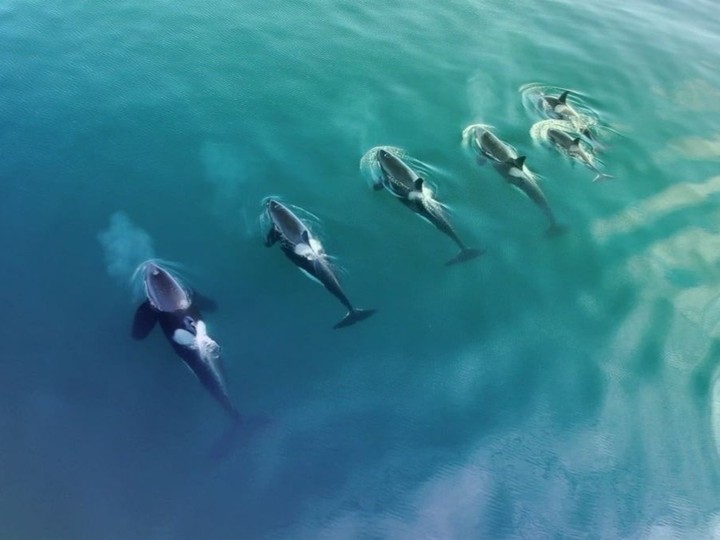
During June, we also observe Orca Action Month, drawing attention to the plight of southern resident orcas. These majestic creatures face numerous threats, including plastic pollution. The issue is exacerbated as microplastics combine with toxic chemicals, significantly impacting the health of these orcas. Reduced fish stocks and pollution-related stress further jeopardize their survival.
So, what actions can individuals take to mitigate plastic pollution? Simple choices in daily life can lead to substantial reductions in plastic waste:
Reducing Plastic Use: Begin by minimizing single-use plastics. Opt for reusable bags, bottles, and containers. Choose alternatives made from sustainable materials to cut down on plastic consumption. This small shift can have a big impact when adopted widely.
Beach Cleanups: Engaging in local beach cleanups helps remove plastic debris from marine environments. This direct action reduces the immediate danger to wildlife. Participating in community cleanup events connects individuals with like-minded environmental advocates.
Reusable Dishes and Utensils: Switching to reusable dishes and utensils diminishes reliance on disposable items. Invest in durable products designed to last, which minimizes waste. This conscious effort contributes to significant reductions in plastic use.
Choosing Products with Less Packaging: Opt for products with minimal or no plastic packaging. Support companies that prioritize eco-friendly alternatives. This purchasing power encourages industries to shift towards sustainable practices, influencing larger-scale changes.
Avoiding Microbeads: Steer clear of products containing microbeads, such as certain cosmetics and personal care items. Even small particles can have extensive environmental impacts. By choosing alternatives, individuals prevent microplastic pollution at its source.
Engagement with Orca Action Month further highlights the connection between plastic pollution and wildlife conservation. This month-long initiative educates and involves the public in efforts to protect southern resident orcas. By participating in events or supporting conservation programs, individuals contribute to preserving marine biodiversity.
Educational resources available through platforms like www.OrcaMonth.org offer valuable insights into orca conservation. Such resources help deepen understanding of ongoing challenges and solutions. By engaging with these materials, individuals become informed advocates for marine life protection.
Community involvement through organized events fosters a united effort against environmental degradation. Collective action amplifies individual contributions, creating a more significant impact. By participating in local initiatives, everyone plays a role in building sustainable futures.
Through informed choices and active participation, it is possible to combat plastic pollution effectively. Each individual’s contribution, though small, has the potential to ripple across communities, leading to substantial environmental benefits.
By understanding the interconnectedness of ecosystems, stakeholders can develop a roadmap for sustained environmental health. Emphasizing education and community collaboration accelerates progress in tackling the pressing issue of plastic pollution.
Ultimately, the goal is to restore balance to the natural environment, ensuring that apex predators like orcas thrive. As part of this global movement, collective responsibility becomes the driving force for meaningful environmental stewardship.
*****
Source Description
Today is World Environment Day and this year’s theme calls for collective action to tackle plastic pollution. ♻
During the month of June, we also celebrate Orca Action Month. And when it comes to the southern resident orcas, the issue of plastic pollution could not be more relevant. Microplastics—along with toxic chemicals—magnify as they move up the food chain, posing a particularly big threat to the health of apex predators like orcas.
So how can you help? Everyone can make individual choices right now to reduce our reliance on plastics and keep them from ending up in the ocean, including:
📉 Reducing plastic use
🗺 Picking up litter on a local beach
🍽 Switching to reusable dishes and utensils
🙅♀️ Choosing products with less packaging
⚠ Avoiding microbeads
Get involved with @OrcaMonth by taking action or attending an event. You can learn more at www.OrcaMonth.org 🔗
