
- The significance of nocturnal species in ecosystems
- Overview of featured species at the World of Darkness exhibit
- The importance of creating suitable habitats for wildlife
- Conservation efforts related to nocturnal animals
- Engaging the public through experiential learning in zoos
The opening of the World of Darkness exhibit marks an exciting development for both wildlife enthusiasts and conservation advocates. The exhibit showcases 25 intriguing species, emphasizing the essential roles nocturnal animals play within their ecosystems. Learning about these creatures allows visitors to appreciate their unique adaptations and the critical functions they serve in the natural world.
Nocturnal animals are those that are primarily active during the night. This adaptation offers several advantages, such as avoiding daytime predators and competing less for resources with diurnal species. The World of Darkness exhibit features animals like sloths, pygmy slow lorises, and naked mole rats, all of which demonstrate remarkable adaptations for life in low-light environments.
Highlighted in the exhibit, the sloth exemplifies a slow-paced lifestyle that suits its energy-efficient diet of leaves. Sloths are known for their specialized claws and limbs, which allow them to navigate trees with ease. The pygmy slow loris, a smaller yet equally fascinating relative, uses a venomous bite and a keen sense of smell to find food and avoid threats. Such characteristics emphasize the diverse strategies nocturnal species deploy for survival.
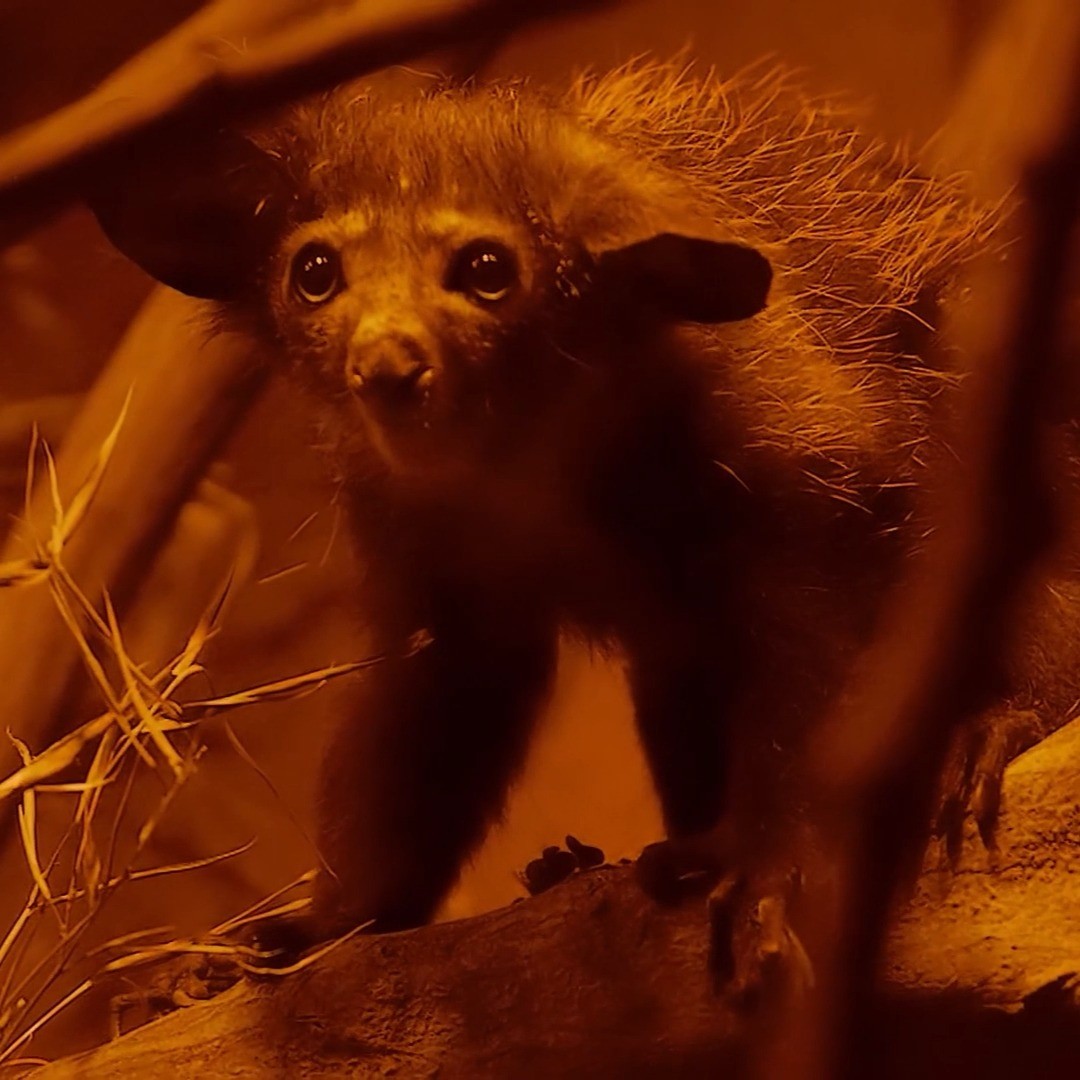
Visitors also encounter the Northern cacomistle, recognized for its large, expressive eyes that provide superior night vision. Adapted for a life in the trees, the Northern cacomistle demonstrates the impressive agility and adaptability of climbers in nocturnal habitats. Meanwhile, the aye-aye, a lemur found in Madagascar, employs a unique method of finding food: it taps on trees to locate insects, using an elongated middle finger to extract them. This feeding behavior showcases an evolutionary response tailored to its woodland environment.
In addition to the mammals mentioned, the exhibit includes the sand cat, a small feline that has adapted to live in arid desert conditions. Its powerful hearing allows the sand cat to detect prey beneath the sand, and its thick fur provides protection against extreme temperatures. Similarly, the vampire bat exemplifies fascinating adaptations: this species feeds on the blood of other animals, possessing specialized heat sensors to locate blood vessels. The adaptations seen in these nocturnal creatures serve not only to aid in survival but also to highlight the interdependence of species within various ecosystems.
The habitats represented in the World of Darkness exhibit are integral to creating an immersive experience for visitors. Designed to reflect various environments such as tropical forests, wetlands, deserts, caves, and subterranean settings, these displays emphasize the specific needs of nocturnal animals. Each habitat features unique elements that cater to the living requirements of the species it houses, allowing for a better understanding of their behaviors and lifestyles.
Creating a suitable habitat for wildlife is a crucial aspect of zoo management and conservation. The success of any exhibit relies on replicating the natural environment as closely as possible, which fosters better animal welfare and encourages species-specific behaviors. The World of Darkness exhibit exemplifies this approach, ensuring that nocturnal animals have areas where they can thrive. Proper habitat design requires significant research and collaboration among specialists in zoology, ecology, and animal behavior.
Habitat loss remains a pressing issue for many species, particularly those that are nocturnal. Urban development, deforestation, and climate change pose significant threats to their natural environments. The World of Darkness exhibit aims to educate the public about these challenges and the pressing need for wildlife conservation. Understanding the importance of these nocturnal creatures, along with their habitats, inspires visitors to engage in conservation efforts, whether through supporting local wildlife organizations, participating in clean-up campaigns, or advocating for policies that protect natural spaces.
In addition to presenting the animals and their environments, the exhibit fosters public engagement through experiential learning. Experience-based education allows visitors to gain a deeper understanding of complex scientific concepts. The design encourages visitors to take their time, adjust to the darkness, and observe the nocturnal species in action. Such immersive experiences enable guests to forge connections with these creatures, igniting a sense of responsibility and advocacy for wildlife conservation.
Engaging with the community through programs, workshops, and informative sessions is vital for raising awareness about wildlife conservation. The World of Darkness exhibit plays a crucial role by drawing attention to the incredible diversity of nocturnal species and their many adaptations. Programs might include discussions led by experts on nocturnal lifestyles or interactive activities centered around animal behaviors. This fosters a rich dialogue about the ongoing importance of conservation efforts.
In sum, the World of Darkness exhibit serves as both an educational platform and a celebration of nocturnal species and their habitats. Its opening invites the public to learn about unique adaptations, understand more about the ecosystems these species inhabit, and encourage involvement in conservation initiatives. By prioritizing education and immersive experiences, the exhibit contributes to a broader understanding of biodiversity and the interconnectedness of life on our planet.
In a world where environmental challenges continue to mount, opportunities to educate and inspire are essential. The World of Darkness exhibit stands out as an important resource, providing insight and fostering a sense of stewardship among its visitors. The fascinating species and habitats on display not only captivate the audience but also play a vital role in nurturing a culture of conservation and responsibility for the natural world. Through such initiatives, the future of wildlife and its habitats can be preserved for generations to come.
*****
Source Description
We are thrilled to announce that the World of Darkness exhibit is now open to the public!
The exhibit provides you with an opportunity to see 25 fascinating species, like sloths, pygmy slow loris, Northern cacomistle, aye-ayes, sand cats, naked mole rats, vampire bats and many others. You can also immerse yourself in 20 different habitats representing tropical forests, wetlands, deserts, caves, and subterranean environments.
Give your eyes a moment to adjust to the dark, and enjoy getting up close to these fascinating nocturnal animals in the new World of Darkness: Link in Profile 🦇
