
- The significance of the leopard tortoise in its habitat
- Dietary habits and preferences of the leopard tortoise
- The behavioral and social characteristics of the leopard tortoise
- The conservation status and challenges facing leopard tortoises
- The symbolism of the leopard tortoise in relation to human relationships
The leopard tortoise (Stigmochelys pardalis), native to the dry savannahs of central and southern Africa, is a fascinating species that plays an important role in its ecosystem. Within this habitat, the tortoise primarily grazes on a varied diet of grasses, succulents, berries, and flowers. This diet not only reflects its herbivorous nature but also emphasizes the intricate balance of life within its environment. By understanding the significance of the leopard tortoise in its habitat, we can better appreciate the contributions of this species to biodiversity and ecosystem health.
Leopard tortoises are not just notable for their appearance; they are essential grazers. Their grazing habits help to manage plant growth, thereby allowing for a more diverse plant community. This, in turn, benefits other herbivores that rely on the variety of flora available for food. The leopards’ steady demand for grasses and other vegetation enables the plant life to thrive and flourish by preventing species overdominance. Such behaviors aid in nutrient cycling, ultimately shaping the landscape of their environment.
Examining their dietary habits, leopard tortoises prefer vegetation that is high in moisture content, especially during dry seasons. Grasses, which are often abundant in the savannahs, compose a large portion of their diet. They are also known to consume fruits when available, enjoying berries and flowers as seasonal treats. This focused yet diverse diet highlights the adaptability of the leopard tortoise. This adaptability is particularly critical in regions where food sources can be scarce due to climatic fluctuations.
Socially, leopard tortoises are generally solitary creatures, often seen foraging alone. However, they can exhibit tolerance towards one another when food is plentiful. This behavior emphasizes their primary focus on survival rather than social interactions. Territoriality can emerge during mating seasons, where males may compete for females. Understanding these social dynamics offers a window into the adaptive strategies that these tortoises have developed over time.
The conservation status of the leopard tortoise is a critical issue. While they are listed as “Least Concern” by the International Union for Conservation of Nature (IUCN), various threats challenge their existence. Habitat destruction, primarily due to agriculture and urban development, poses significant risks. In addition, poaching for the illegal pet trade has further endangered their populations. Conservation efforts are essential to ensure the survival of this species and involve habitat preservation and legal protection against poaching. Community involvement in conservation initiatives can also bolster these efforts, as education plays a vital role in fostering a culture of respect towards wildlife.
The symbolism of the leopard tortoise extends beyond its ecological importance. The phrase “You deserve someone who looks at you the way a leopard tortoise looks at salad” serves as a metaphor for relationships and connection. Just as the leopard tortoise exhibits genuine enjoyment and appreciation for its food, people too deserve relationships marked by passion and admiration. This perspective can remind individuals of the significance of mutual respect and care within personal interactions.
By appreciating the leopard tortoise’s value within its ecosystem, exploring its dietary habits and social behavior, recognizing the challenges it faces, and understanding its symbolic representation, we gain valuable insights that surpass mere observation. These facets highlight how intertwined life can be within ecosystems and how lessons learned from nature can influence human relationships, emphasizing love, respect, and admiration. The leopard tortoise stands as a testament to the intricate web of life and the importance of conserving species that contribute to ecological balance and human inspiration.
*****
Source Description
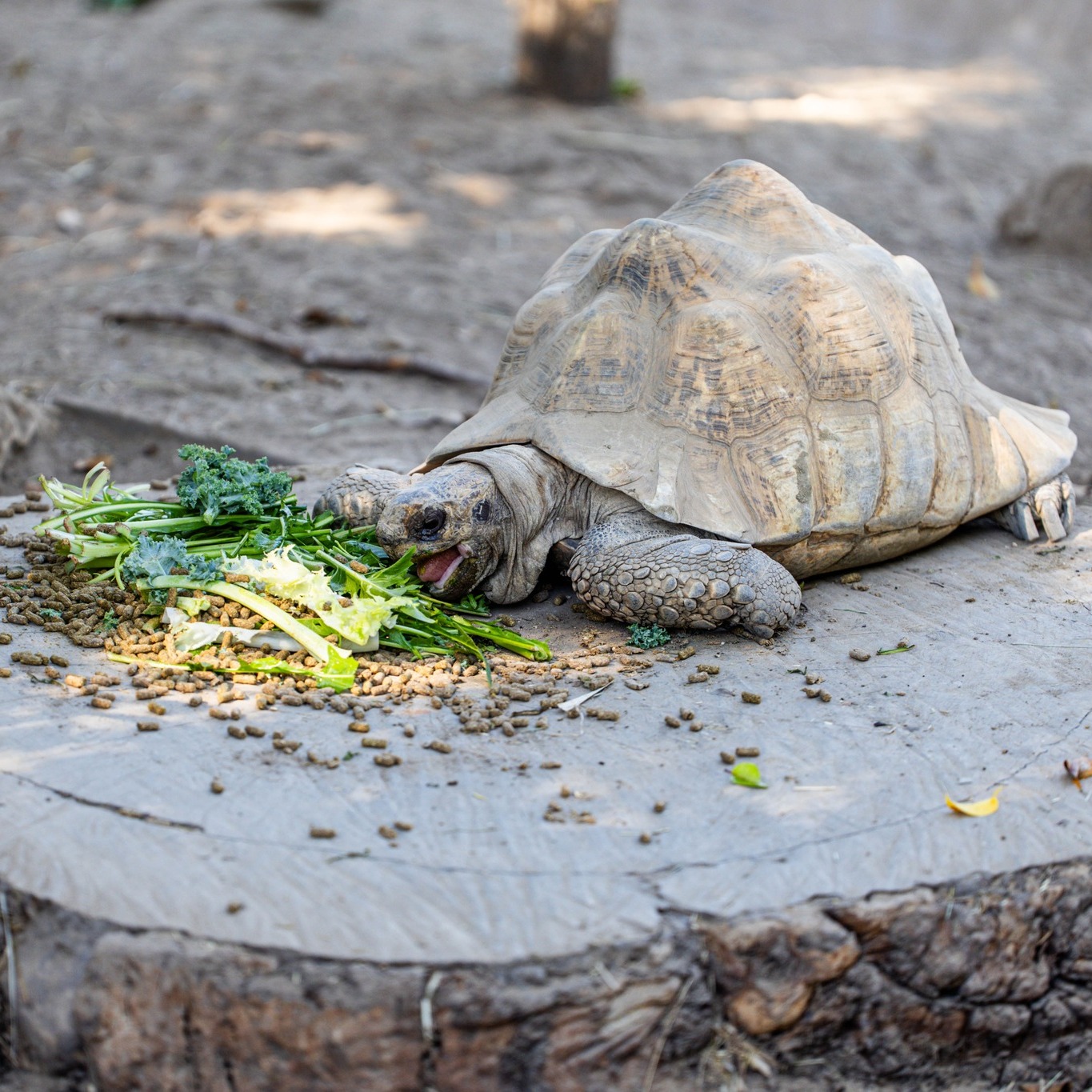
Don’t know who needs to hear this, but you deserve someone who looks at you the way a leopard tortoise looks at salad. 😍🥗🐢
The leopard tortoise is native to the dry savannahs of central and southern Africa. There they graze on grasses, succulents, berries, and flowers.
Alt-text: A leopard tortoise digs into a leafy green and herbivore pellet meal atop a tree stump feasting table.
