
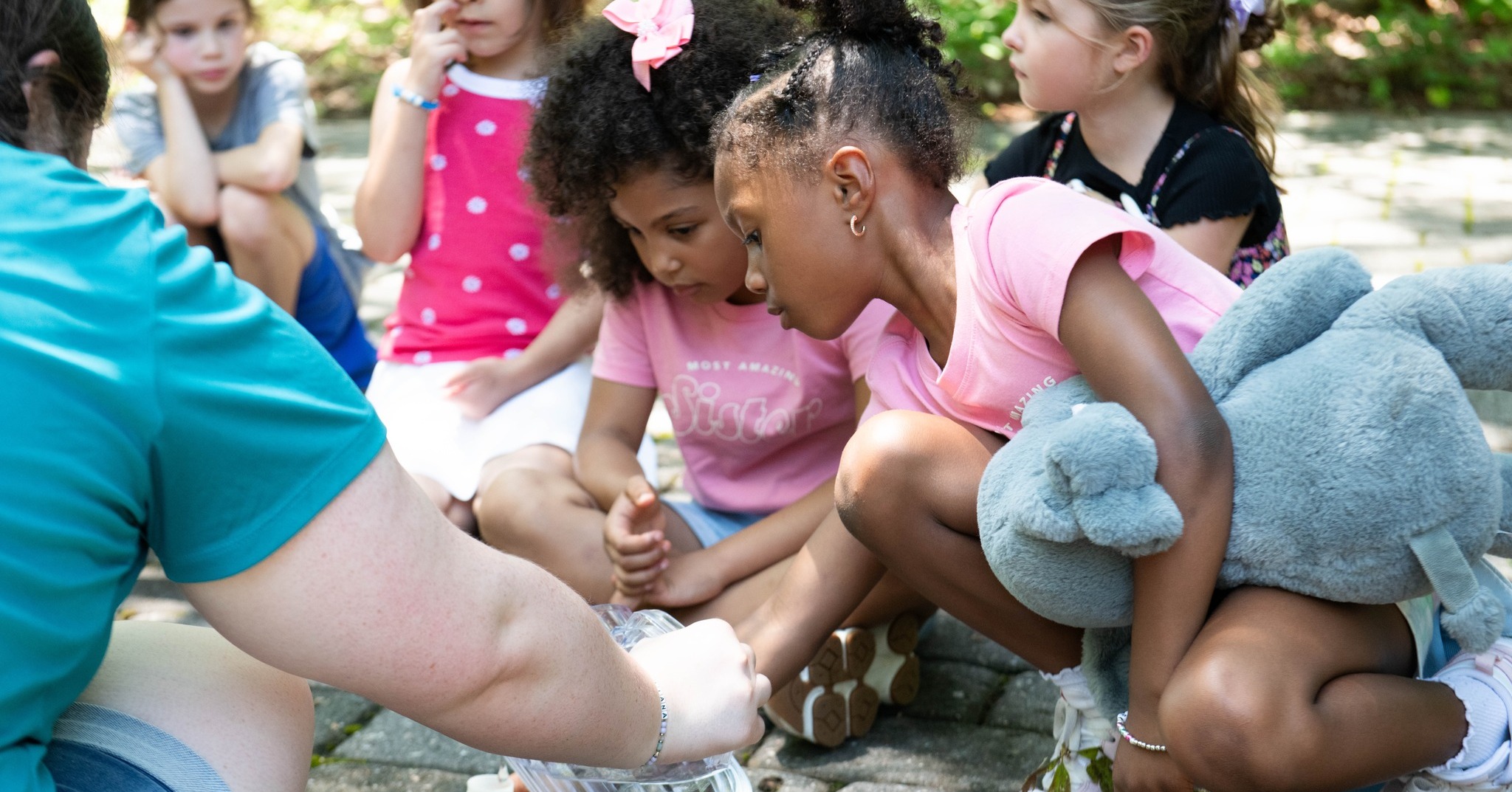
- Summer camps provide hands-on science experiences for young explorers.
- Activities include live animal encounters and nature exploration.
- Middle and high school astronomy camp focuses on space science and telescopes.
- All camps are hosted at the Virginia Living Museum by expert educators.
- Urgency to sign up for limited spots to avoid missing out.
Calling all young explorers and future astronomers! With the summer season wrapping up, there are still some exciting opportunities to engage in science and exploration at our summer camps. These camps are packed with enriching experiences, suitable for curious minds eager to learn more about nature and the cosmos.
For younger participants in grades 3 through 5, we have week-long camps with availability for the dates August 4-8 and August 11-15. Each camp features a rich itinerary of hands-on science lessons, interactive nature activities, and animal encounters. These activities are designed to stimulate inquiry and foster a deep appreciation for wildlife and ecology. Participants will not only learn about the environment but will also have the chance to connect directly with various animals, gaining insights into their behaviors, habitats, and roles in the ecosystem.
The importance of early exposure to science cannot be overstated. Young minds are impressionable and eager to explore. By immersing children in nature, they begin to grasp basic scientific concepts, such as ecosystems, food chains, and the interdependence of species. Engaging with live animals allows them to observe these concepts in real time. The thrill of seeing a snake up close, for instance, can spark a lifelong interest in biology and conservation.
Looking beyond the younger cohorts, we also offer a Middle/High School Astronomy Camp which has 4 spots available. This camp presents a unique opportunity to explore space science in a hands-on manner. Participants will use telescopes to gaze at celestial bodies and will engage in space-themed science experiments. This immersive experience is aimed at helping students understand the dynamics of our universe, from the workings of planets and stars to the fundamentals of astrophysics.
Incorporating technology into these educational camps is essential. Participants will become familiar with the tools and techniques that astronomers use, which can encourage them to explore potential careers in STEM fields. Through these activities, they not only learn about the science behind astronomy but also develop critical thinking skills necessary for scientific inquiry.
All of our camps are held at the Virginia Living Museum. This institution is renowned for its commitment to education and conservation. It provides a natural setting for exploration, featuring a range of ecosystems, including wetlands, forests, and exhibits with live plants and animals. Engaging with this environment enhances the learning experience, making microscopic observations and ecological studies more relevant.
Our expert educators lead these camps, sharing their extensive knowledge and passion for wildlife conservation and zoology. This ensures that participants receive accurate information while also discovering the beauty of various life forms. Our educators serve as role models, often inspiring children to consider careers in conservation, veterinary science, or wildlife research. The guidance they offer also helps instill a sense of responsibility toward protecting the environment.
Given the limited availability, it is imperative to sign up quickly. Openings are quickly filling up, and these last-minute spots are your chance to secure a ticket to adventure. By participating in these camps, not only will children have the opportunity for playful learning, but they will also gain a deeper understanding of environmental stewardship.
Through exploration and hands-on activities, campers will develop skills that extend far beyond the classroom. They will learn to work collaboratively in teams, think critically about scientific problems, and express their curiosity through inquiry-based learning. These experiences can ignite passions that lead to lifelong pursuits in science and conservation.
By fostering a connection to the natural world early in life, we can build an informed generation of environmental stewards. Research has shown that early interactions with nature can cultivate a sense of empathy toward living organisms and ecosystems. By understanding their role in the food web and the importance of biodiversity, children can develop more thoughtful attitudes toward conservation efforts.
Every session in our camps comes with planned activities that maximize engagement. For example, nature scavenger hunts encourage campers to observe their surroundings attentively. They learn to identify local flora and fauna, understanding their ecological roles. These activities strengthen observational skills, essential for any budding scientist.
Moreover, our astronomy camp features stargazing nights where participants can use telescopes to observe the stars, planets, and other celestial phenomena. This experience enriches their understanding of complex concepts such as light years and the structure of galaxies. The hands-on experiments are designed to challenge their reasoning skills while also making learning fun.
At the Virginia Living Museum, safety, education, and engagement go hand-in-hand. Our programs are designed with the utmost care to provide safe and meaningful experiences for all campers. Exploratory learning occurs under the supervision of trained educators, ensuring that children can learn with confidence in a supportive environment.
While our summer camps are about fun and discovery, they also serve a purpose far more significant than individual enjoyment. By instilling excitement about wildlife, ecosystems, and space science, we are contributing to a larger conversation about conservation. Understanding these subjects promotes responsible choices that can lead to a sustainable future.
As we look forward to welcoming your young explorers, consider the broader impact of what they will learn. The skills they acquire may serve them well in their studies and future careers. The knowledge gained in these camps could motivate them to innovate solutions for environmental challenges, fostering a sense of global citizenship.
The urgency to sign up cannot be stressed enough. In a world where opportunities for experiential learning are fleeting, these last-minute spots at the Virginia Living Museum’s summer camps are a gateway to adventure and knowledge. Instead of letting this chance slip away, act swiftly to secure a position for your child today.
Our summer camps are about more than just filling slots. They are an invitation to experience the wonders of nature and space. Through engaging activities led by knowledgeable educators, children will walk away not only smarter but also more connected to the world around them.
Explore the links provided for more details on camp schedules and registration. The countdown to adventure is on, and we can’t wait to help ignite curiosity and a love for science in every young explorer. Your participation may just be the next step in shaping the future of conservation and scientific inquiry.
*****
Source Description
🚨 Calling all young explorers and future astronomers! We’ve got a few last-minute openings in some of our popular summer camps — grab them before they’re gone!
🦎 3rd–5th Grade Camps
🎒 August 4–8: 5 spots left!
🎒 August 11–15: Just 1 spot left!
These week-long adventures are packed with hands-on science, live animal encounters, and nature exploration — perfect for curious minds ready to discover the world around them! 🌿🔬
🌠 Middle/High School Astronomy Camp
4 spots open in our Space and Astronomy camp!
Dive into the universe with telescope time, space science experiments, and a look at what it takes to explore the final frontier.
📍All camps are held at the Virginia Living Museum and led by our expert educators.
Sign up now before these spots disappear: https://thevlm.org/education/summer-camps/
