
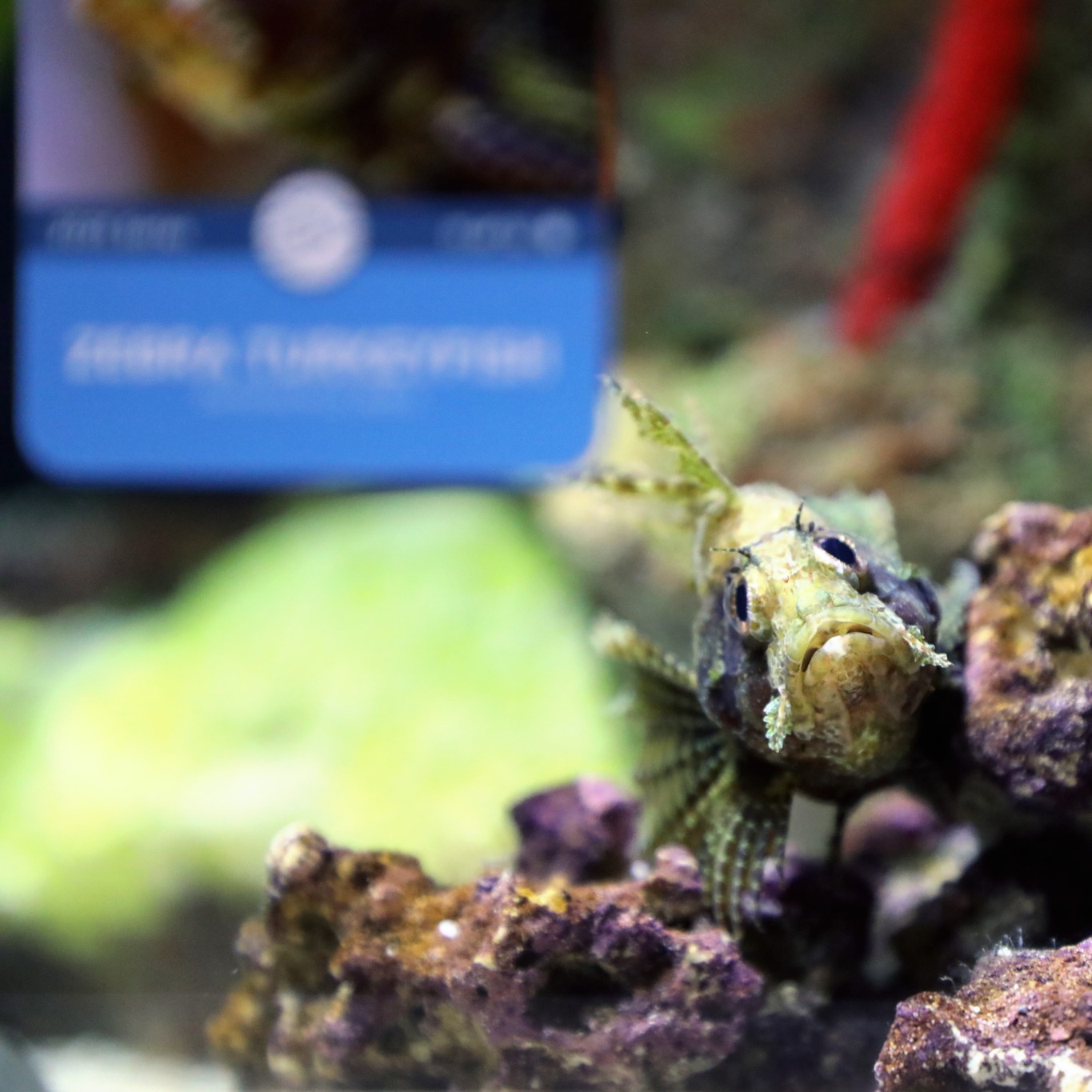
- Overview of the Zebra Turkeyfish’s Identification and Habitat
- Dietary Habits and Feeding Behavior in the Wild
- Behavioral Traits and Adaptations to Survival
- The Ecological Role of the Zebra Turkeyfish in Marine Ecosystems
- Conservation Challenges and Efforts in Protecting the Species
The Zebra Turkeyfish, or Dendrochirus zebra, is a fascinating species found in the warm waters of the Indo-Pacific region. This striking fish is known for its distinctive coloration and unique appearance. With its bold patterns of alternating stripes and spines, the Zebra Turkeyfish stands out among its peers. This article serves as an extensive resource detailing the characteristics, behavior, and conservation of this species.
The habitat of the Zebra Turkeyfish typically includes coral reefs, rocky environments, and sandy bottoms. These areas provide the perfect sanctuary for the species, as they are rich in biodiversity. They can generally be observed at depths ranging from 1 to 50 meters. Their adaptability to various habitats contributes to their success as a species. However, like many marine organisms, they face challenges posed by environmental changes and human activity.
The Zebra Turkeyfish is carnivorous, possessing a diet that includes small fish, crustaceans, and various invertebrates. They are skilled hunters, known for their impressive ability to ambush their prey. Utilizing their venomous spines, these fish can defend themselves against predators while also incapacitating potential food. This combination of hunting prowess makes them exceptional predators within their ecosystem, allowing them to thrive in their natural habitat.
Studying behavioral traits of the Zebra Turkeyfish reveals interesting insights into their social dynamics. They are generally solitary creatures; however, they can often be seen in pairs during breeding seasons. Their distinctive spines are not only a defense mechanism but also play a role in establishing dominance during territorial disputes. Communication among individuals occurs through body language and color changes. Such adaptations enable them to survive in the diverse ecosystems they inhabit.
Within marine ecosystems, the Zebra Turkeyfish plays an essential role. Their presence acts as a natural regulator of prey populations, helping to maintain ecological balance. By preying on various species, they contribute to the health of coral reefs and other marine environments. This interactive role underscores the importance of each species within an ecosystem. Ignoring or disrupting their populations can lead to unforeseen consequences for overall marine health.
Conservation challenges regarding the Zebra Turkeyfish primarily stem from habitat degradation and overfishing. Coral reefs are increasingly threatened by climate change, pollution, and destructive fishing practices. Recognizing these threats has prompted international efforts aimed at preserving vital habitats and promoting sustainable fishing practices. Many organizations and researchers are engaged in initiatives focused on habitat restoration and awareness campaigns designed to educate the public about the importance of preserving diverse marine life.
Understanding the characteristics, behavioral traits, and conservation status of the Zebra Turkeyfish contributes to a broader appreciation of marine ecosystems. The dynamic functions of this species highlight the interdependence of aquatic life. By studying species like the Zebra Turkeyfish, we can gain valuable insights into maintaining ecological balance. This awareness extends beyond just one species; it emphasizes the need for continued efforts in wildlife conservation, ensuring that vibrant marine environments remain a part of our planet’s diverse fabric.
As you consider the importance of the Zebra Turkeyfish and other marine species, remember that informed actions can lead to positive changes. By supporting sustainable practices and recognizing the urgent need for ocean conservation, we can each play a role in protecting these captivating creatures. Whether you visit local aquariums or engage in conservation efforts, your involvement is vital.
It’s worth noting that our understanding of the Zebra Turkeyfish continues to evolve as researchers gather more data through field studies and ecological surveys. This ongoing research will help shape future conservation strategies and provide insights into how best to adapt to the changing environmental landscape. Such diligence is critical for ensuring that species like the Zebra Turkeyfish can continue to thrive in their natural environments.
Moreover, aquarists and homeowners keeping these fish should consider their ecological needs and ensure their tank reflects their natural habitat. Providing ample hiding spots and water quality mimicking their native environment contributes to both their health and overall well-being. Such care becomes imperative as we acknowledge our shared responsibility in safeguarding these species from potential risks.
Adopting practices that minimize human impact on marine ecosystems is crucial. By choosing sustainable seafood options and supporting marine conservation efforts, individuals can contribute to the overall health of the oceans. Education plays an essential role in this awareness, and resources abound for those looking to better understand marine biology and conservation.
In venues such as aquariums and wildlife centers, visitors can engage with exhibits that highlight the beauty and importance of marine life. Hosting educational workshops and lectures can elevate community involvement, fostering a collective sense of responsibility toward preserving oceanic biodiversity. Through global collaboration and local initiatives, we can create an environment where species like the Zebra Turkeyfish can flourish.
Though it may seem like one species among many, the Zebra Turkeyfish serves as an indicator of the health of its surroundings. As researchers focus on their ecology and interactions within marine communities, they reveal layers of complexity vital for our understanding of aquatic life. Supporting ongoing research and becoming stewards of the ocean is essential.
The connection between human action and marine health is strong. Every proactive measure contributes to a brighter future for this species and countless others that share its habitat. By sharing knowledge and participating in community efforts, we can create a ripple effect that promotes conservation and biodiversity.
Additionally, exploring the fascinating life cycle of the Zebra Turkeyfish offers further context for its role in the marine environment. The fish undergoes several stages, from larvae to adult, adapting its behavior and diet as it matures. Understanding these changes is invaluable for conservationists focused on breeding programs and habitat protection.
Conducting extensive research on the mating and reproductive behaviors of the Zebra Turkeyfish sheds light on its lifecycle and population dynamics. Spawning typically occurs in pairs, with courtship rituals showcasing elaborate displays. Knowledge of these nuances fosters effective conservation initiatives.
To enhance public awareness, engaging media campaigns showcasing the Zebra Turkeyfish can serve as a valuable tool. Documentaries and social media outreach can highlight its beauty and importance to marine ecosystems, prompting discussions about broader conservation issues. Storytelling can captivate audiences and inspire action, making the case for preserving marine habitats clear and relatable.
In tailoring messages for diverse audiences, educators can bridge gaps in understanding about marine conservation topics. Workshops that incorporate practical knowledge can empower individuals to contribute to local marine efforts. Alongside this, creating partnerships with schools and local organizations amplifies outreach, fostering a greater commitment to conservation.
The Zebra Turkeyfish’s journey through the ocean is one of intrigue and significance. As it navigates its habitat, it embodies the intricate relationships that define marine ecosystems. These relationships reinforce the interconnectedness of all species, demonstrating that every fish, coral, and invertebrate plays a role in sustaining life.
Remaining proactive in the face of challenges is vital for the ongoing survival of the Zebra Turkeyfish. The obstacles posed by climate change and habitat loss signal an urgent need for immediate action. Through restorative initiatives and robust enforcement of regulations against unsustainable practices, we can buy time for marine systems to recover and thrive.
Join the mission to protect the Zebra Turkeyfish and explore the critical role it plays alongside other marine species. Your actions today will set the stage for future generations to enjoy the beauty and diversity of our oceans. As you expand your knowledge and advocacy efforts, remember that the cumulative impact of informed individuals can create profound change.
Make your voice heard in the conversation around marine conservation and the importance of protecting species like the Zebra Turkeyfish. Every discussion, every choice, and every effort counts.
*****
Source Description
Our Zebra Turkeyfish realizing it’s the main character. 🤩
Ask for your at admissions, only available today and tomorrow!
